
Sanitizable VR Headsets for Inpatient Care
Through the use of interactive and immersive virtual reality (VR) experiences, we aim to integrate medically nontraditional technologies into healthcare to reduce stress and anxiety in patients.
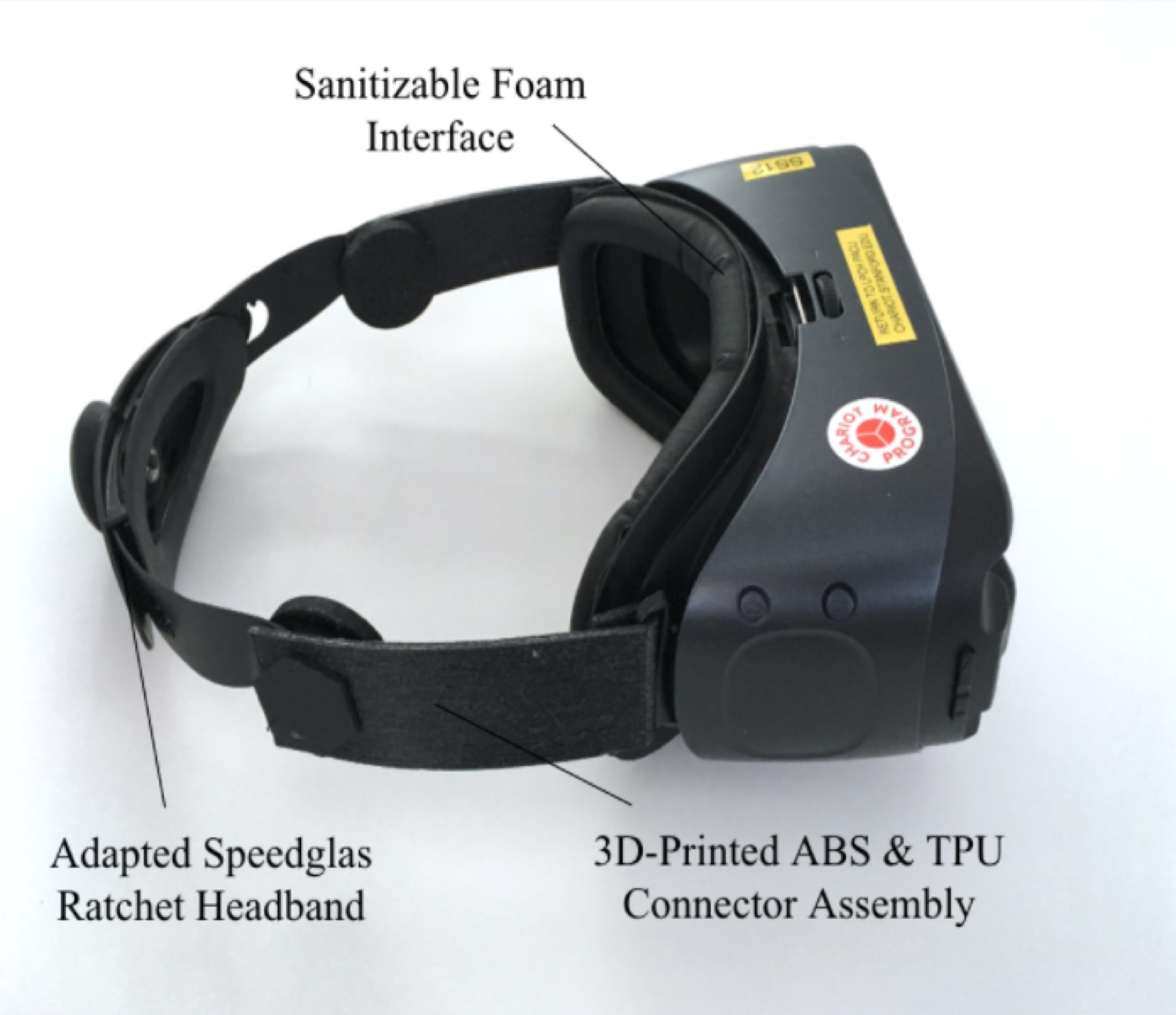
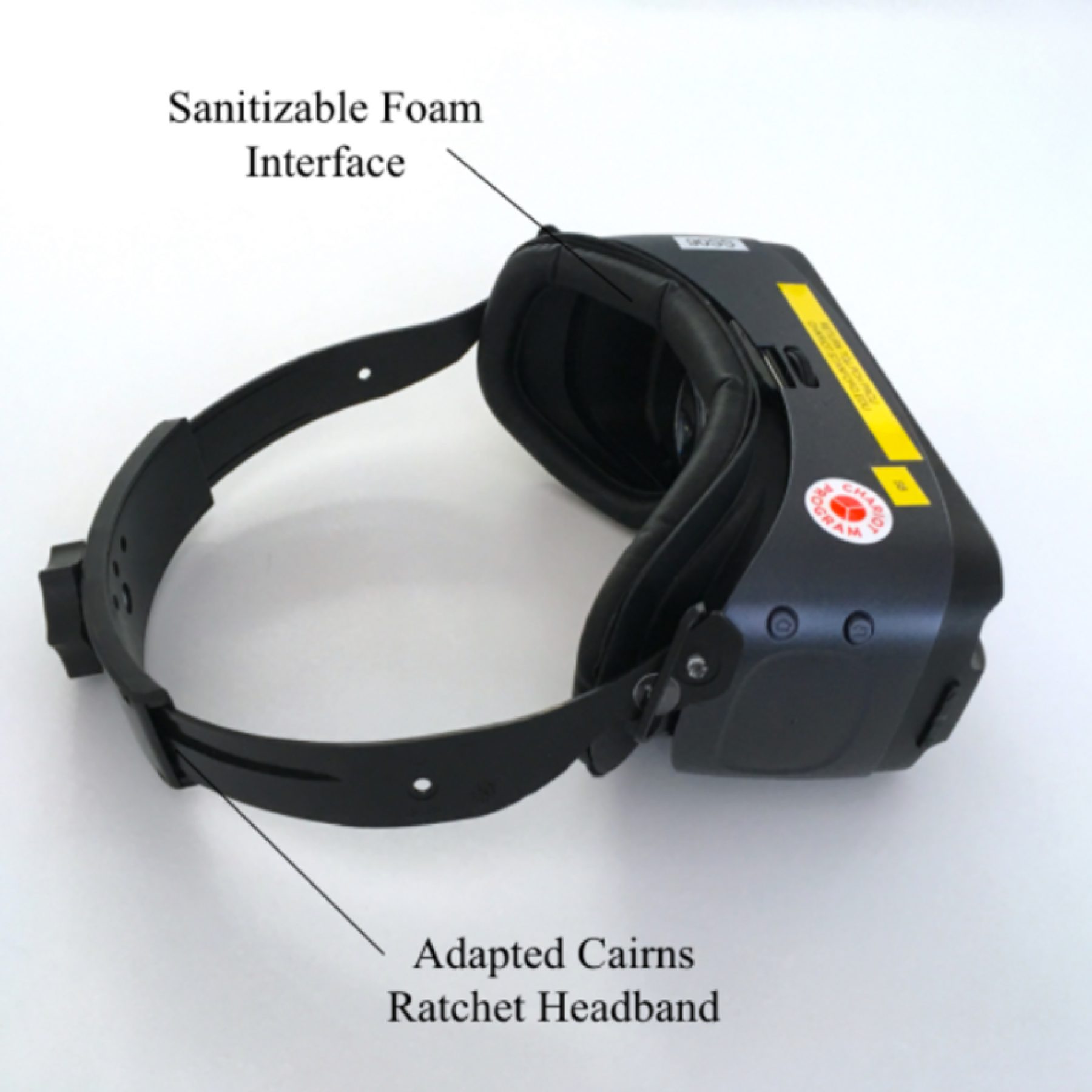
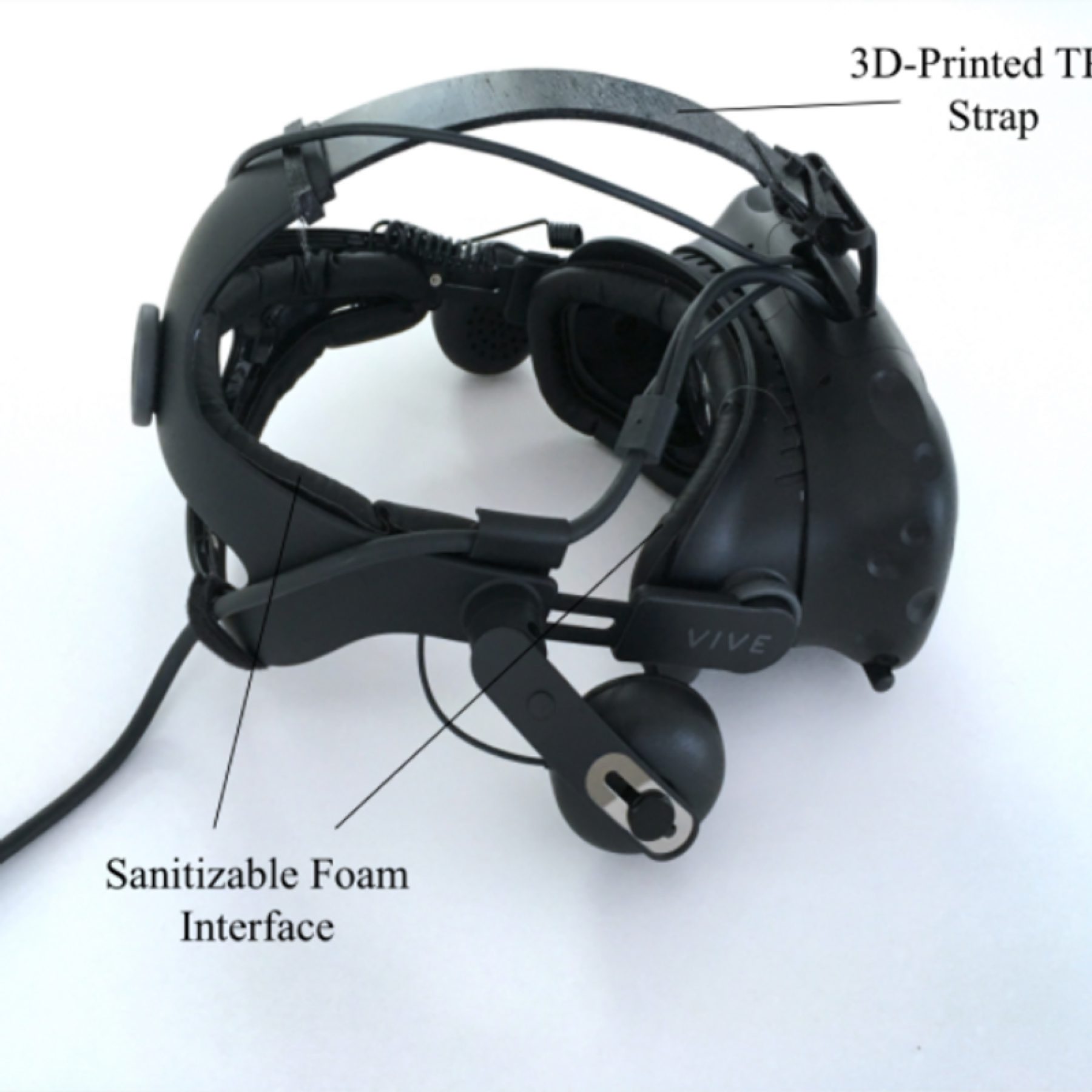
However, we encountered problems maintaining infection control standards for the two types of VR headsets that we use, the Samsung Gear VR and the HTC Vive. Both headsets, as purchased, use non-infection control compliant straps and foam lining.
To resolve this issue, I designed a replacement strap system using a commercially available ratchet headband and an assembly of ABS and TPU 3D-printed parts that I CADed and printed. I also replaced the standard lining with a sanitizable third-party foam interface that can be effectively wiped and cleaned. After incorporating these modified VR systems into our care, we have observed preliminary data to show promise of improvement in the perioperative experience. A study to further quantify the effects of these technologies on psychological wellbeing is currently underway.
These modifications have been implemented in over forty headsets at LPCH and have begun to be adopted at other hospitals in the Bay Area and abroad.
Bedside Entertainment Theater
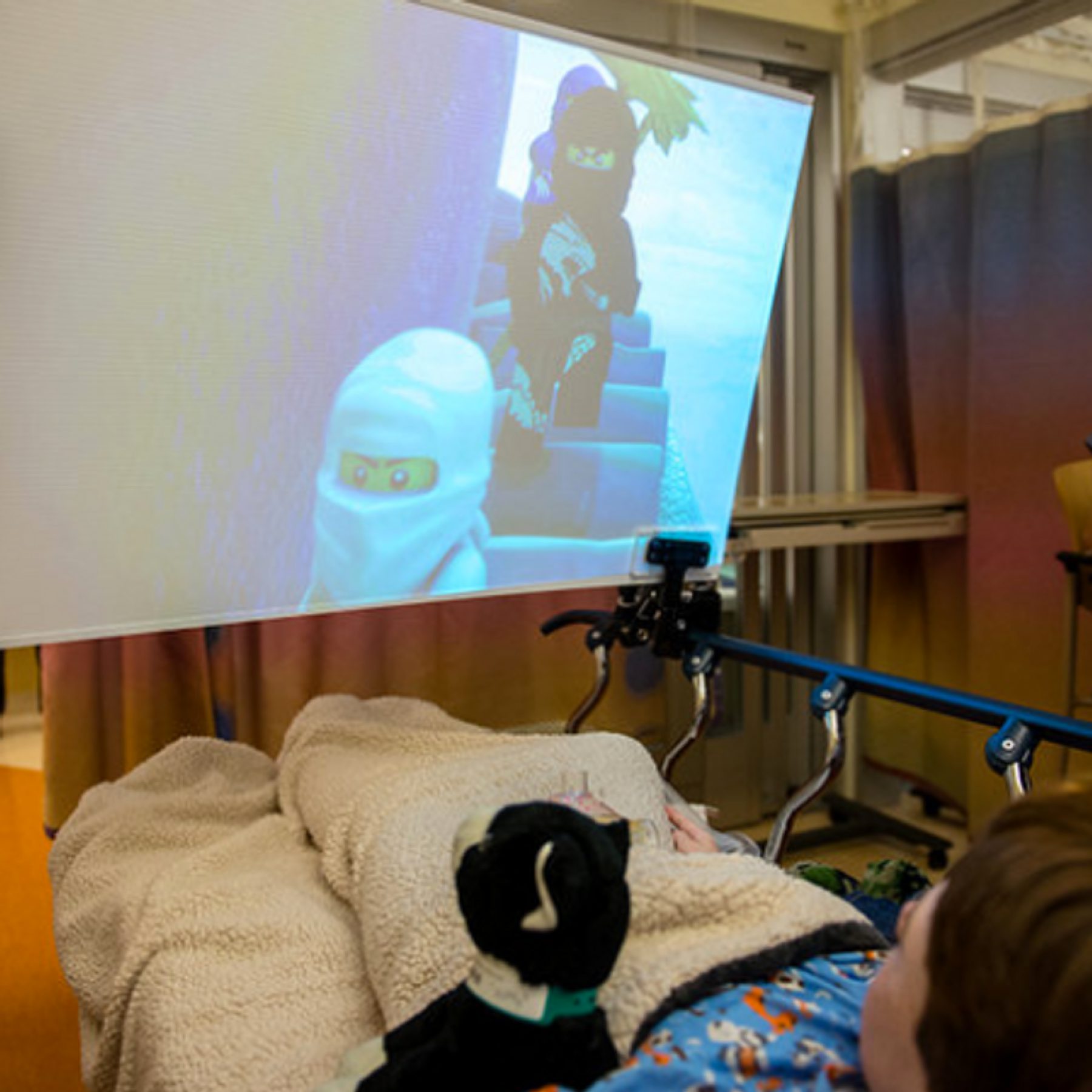
Traditional hospital theatre often fails to be fully immersive and is typically not available during induction, which can be the most stressful part of a patient's visit.
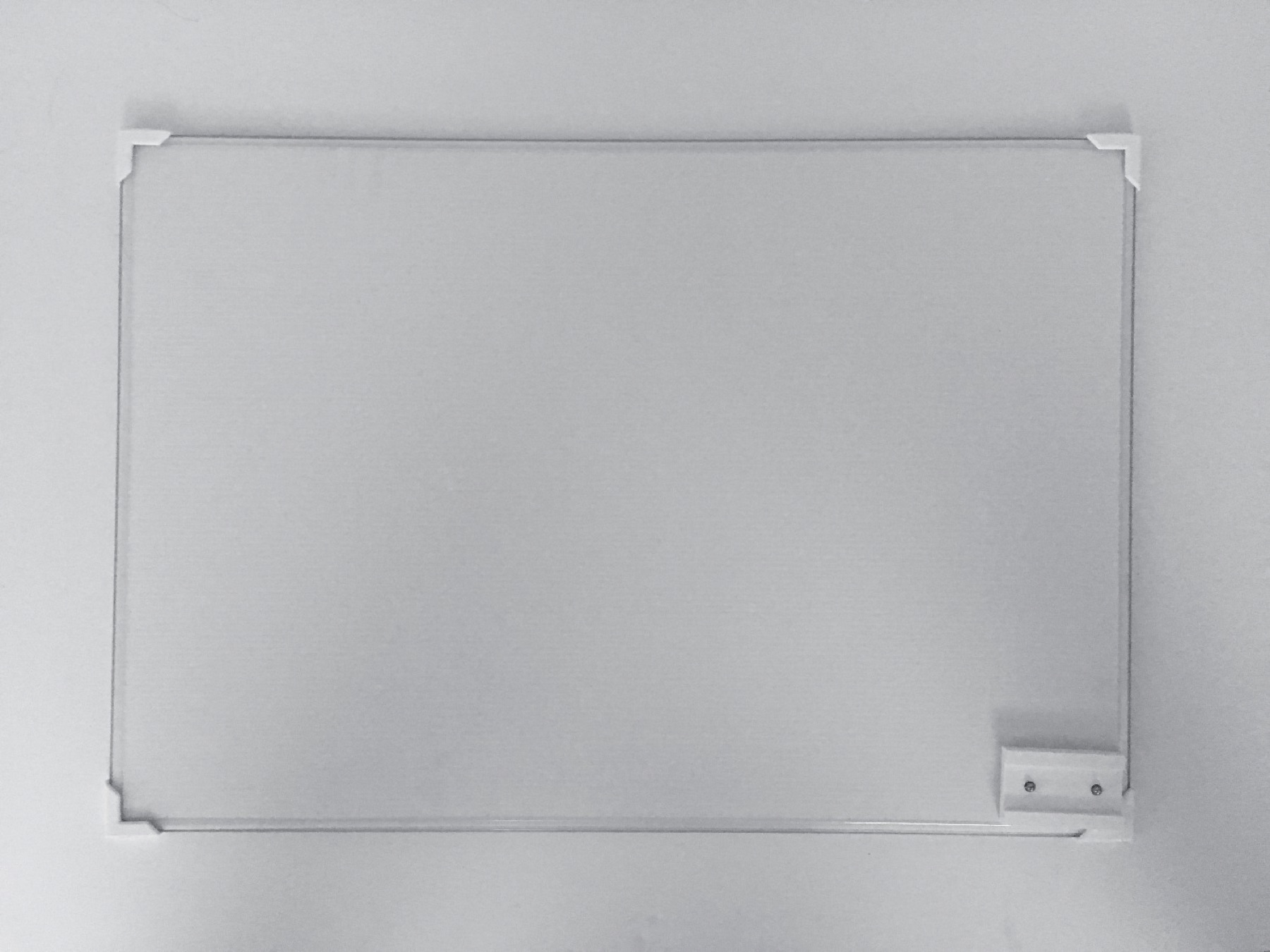
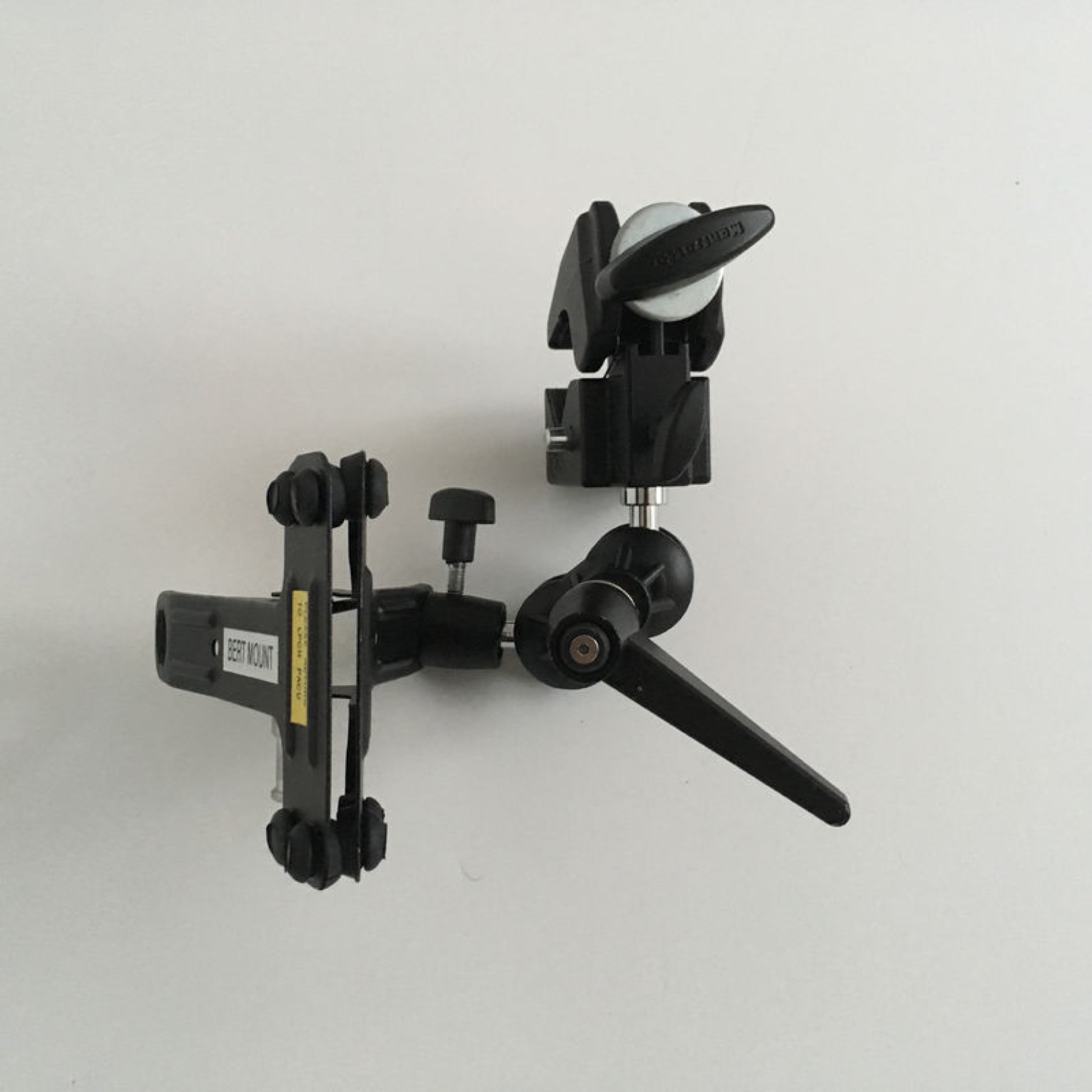
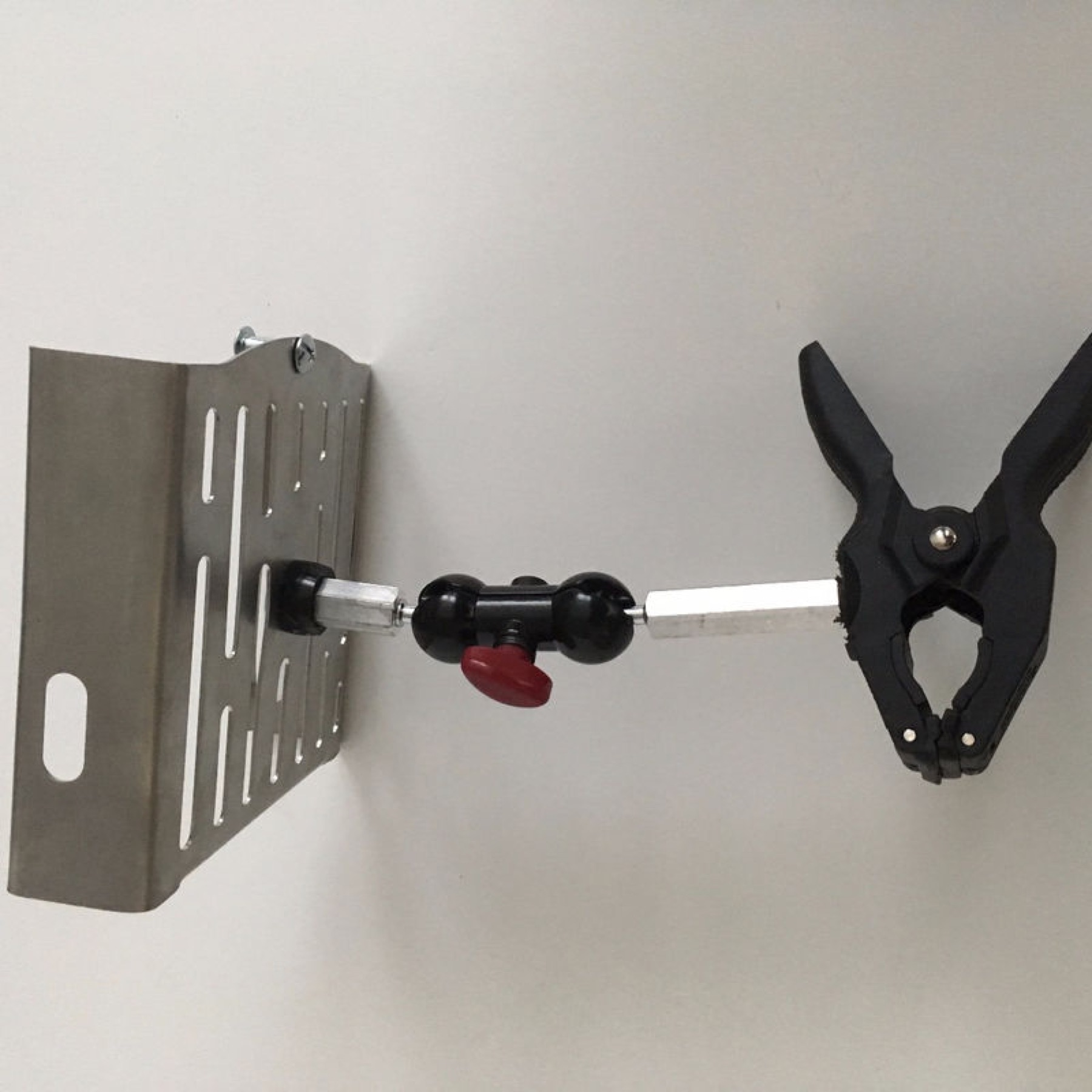
At Chariot we have developed affordable, mobile bedside entertainment theater (BERT) systems that can easily be deployed to engage patients throughout the perioperative experience.
After testing and evaluating the original models created by doctors Sam Rodriguez, Thomas Caruso, Ban Tsui and design engineer Andrew Terajewicz, I continued improving these assemblies to increase durability and performance while lowering costs through material and fabrication method evaluation and redesign.
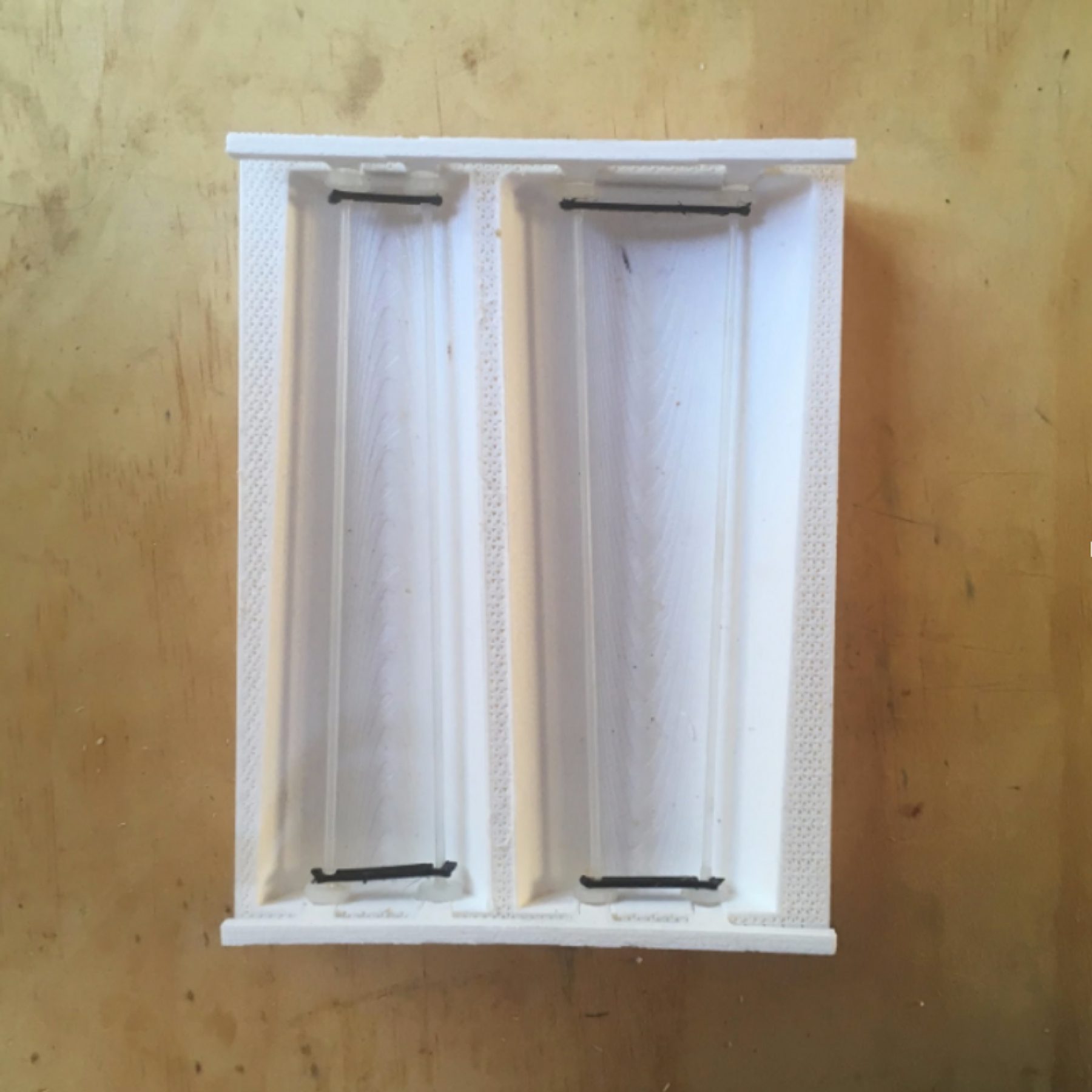
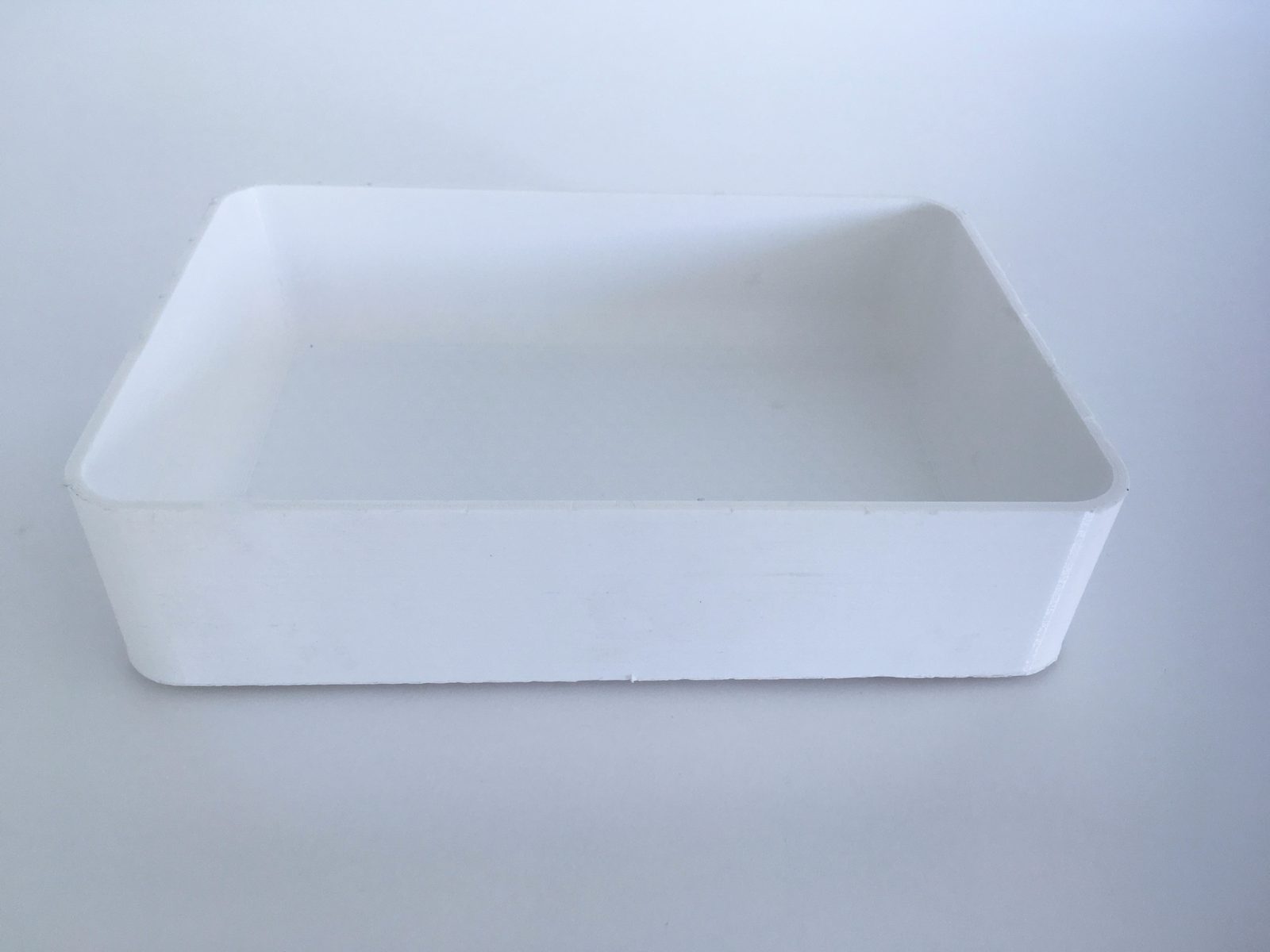
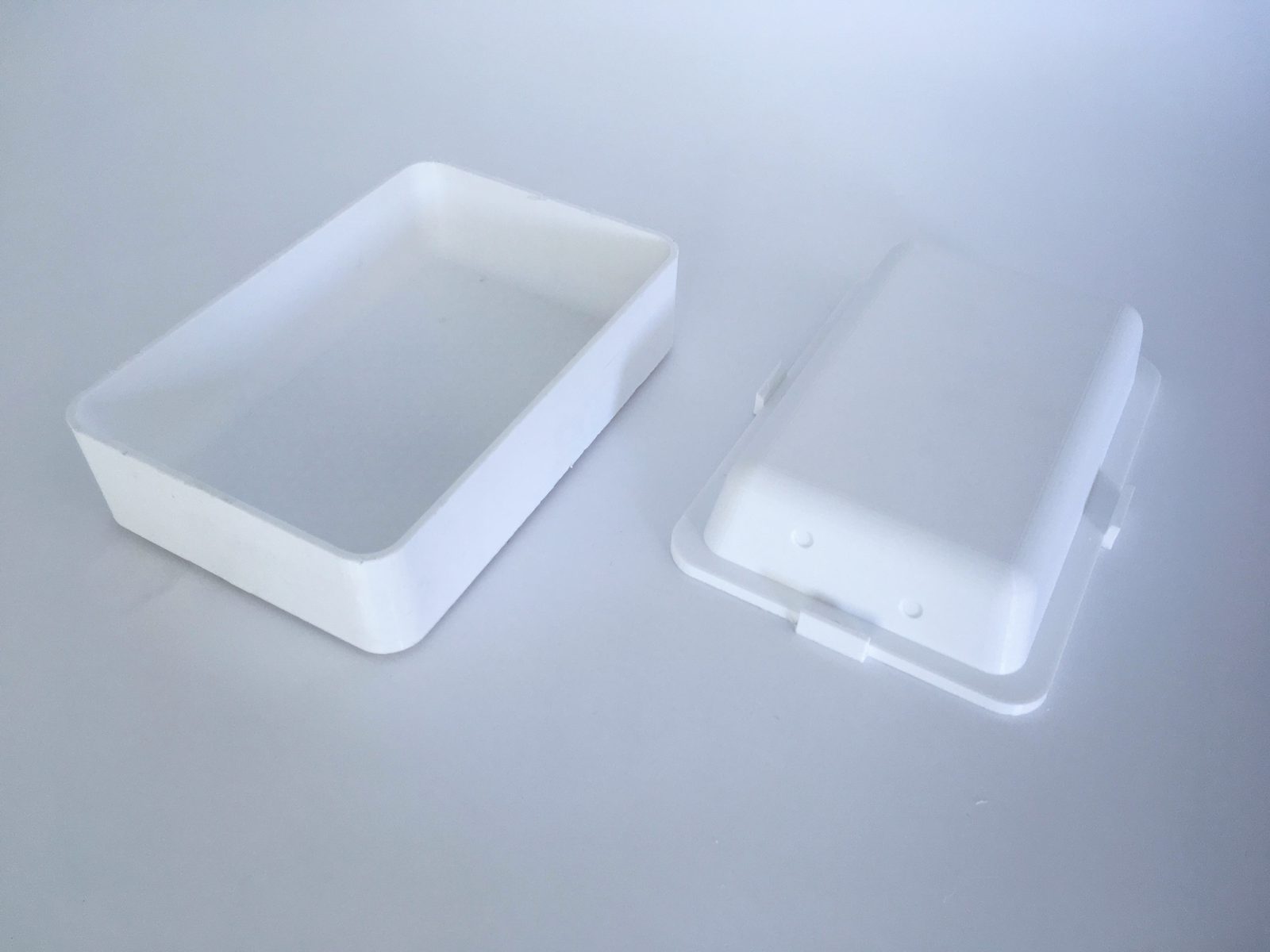
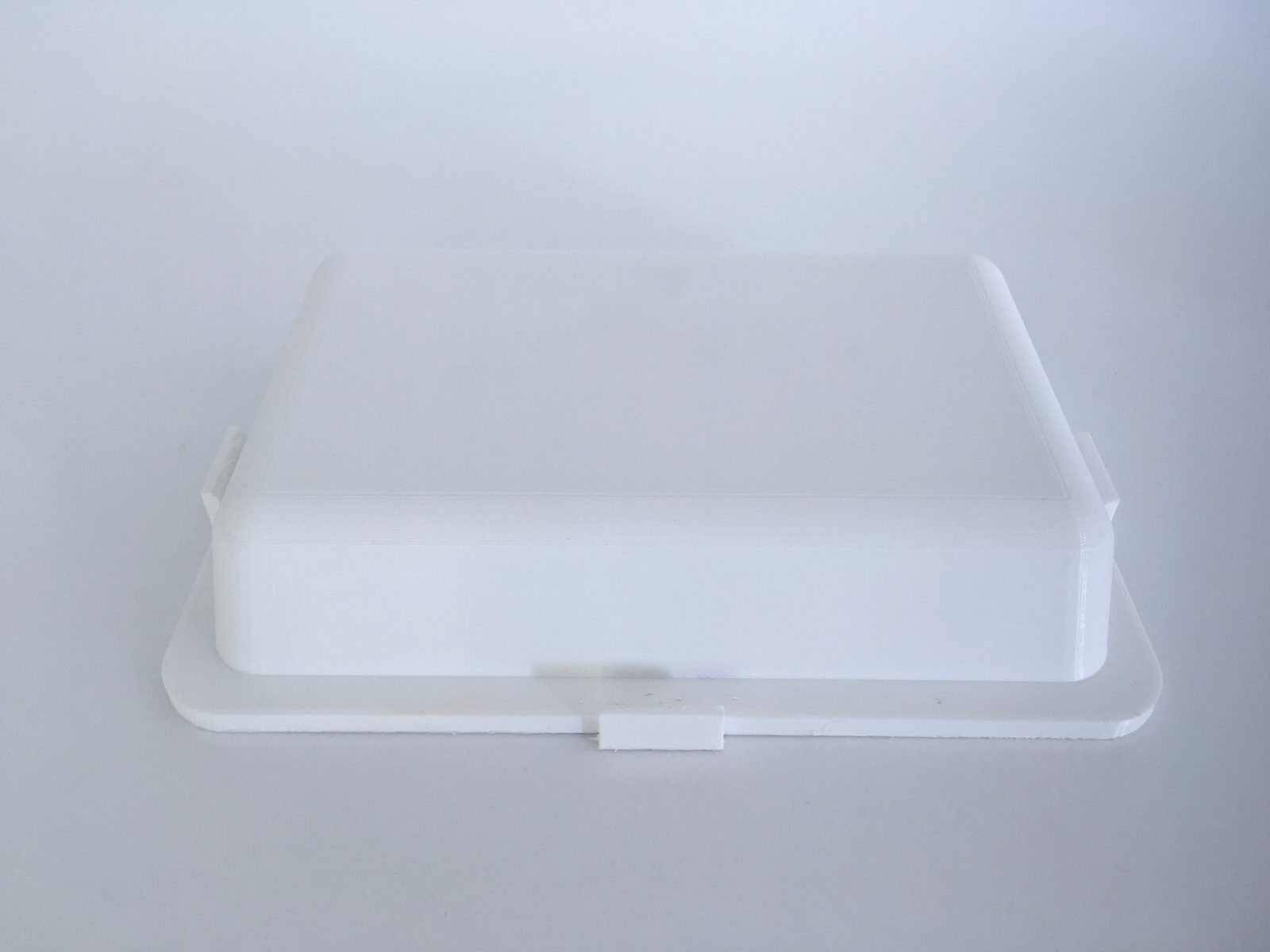
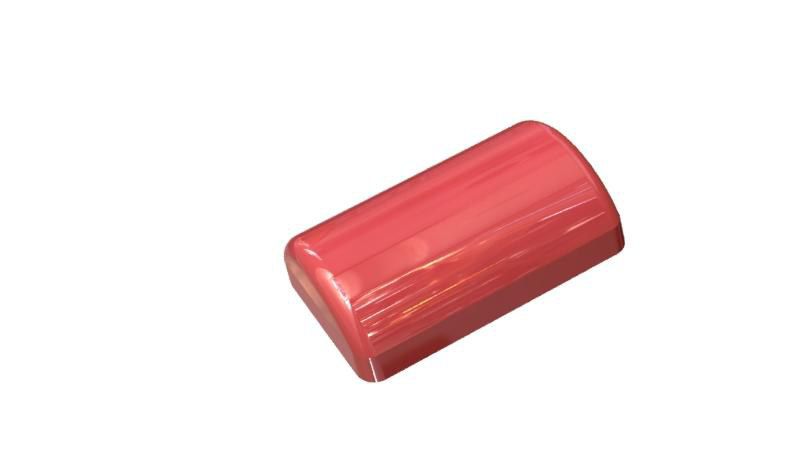
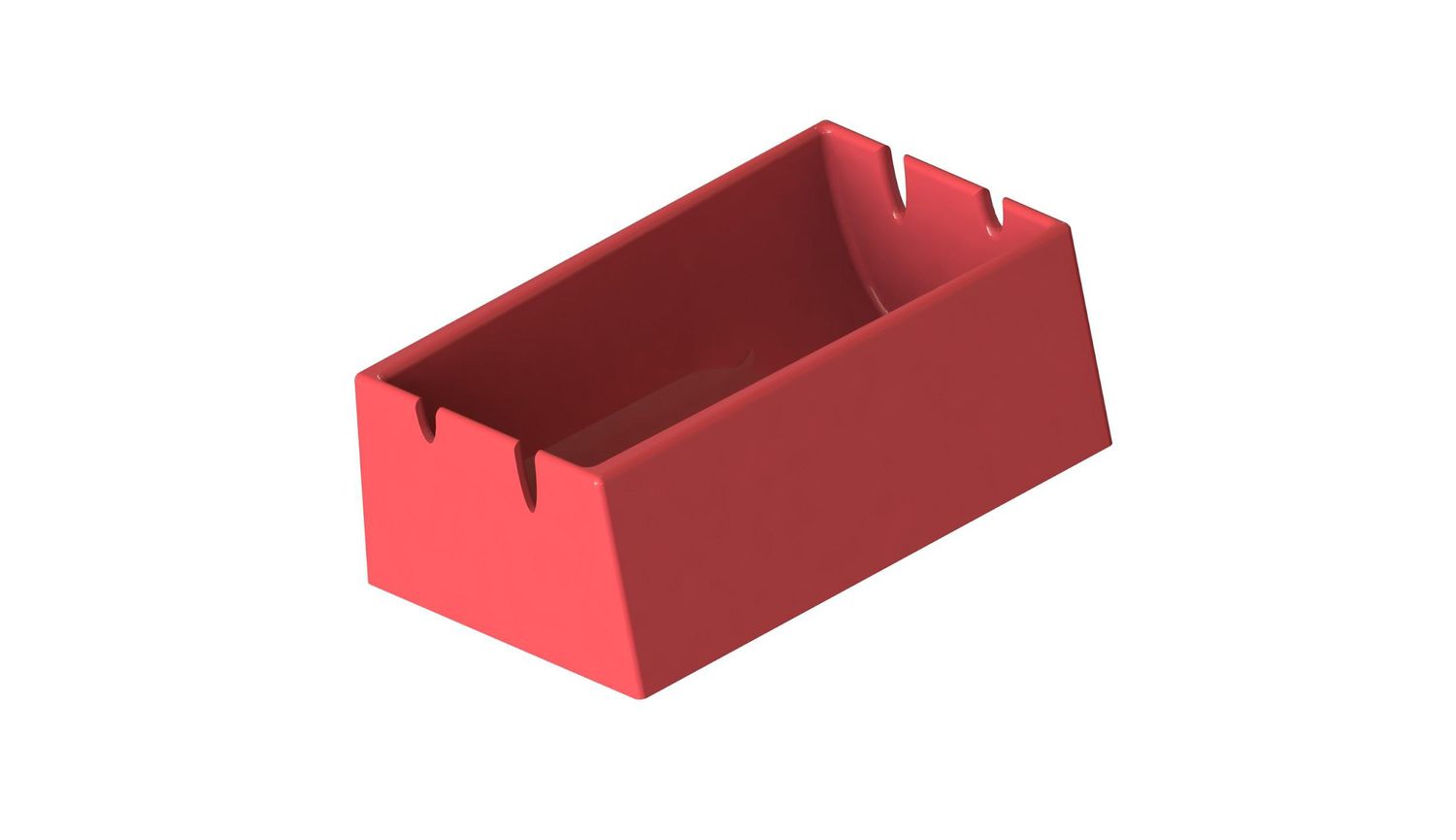
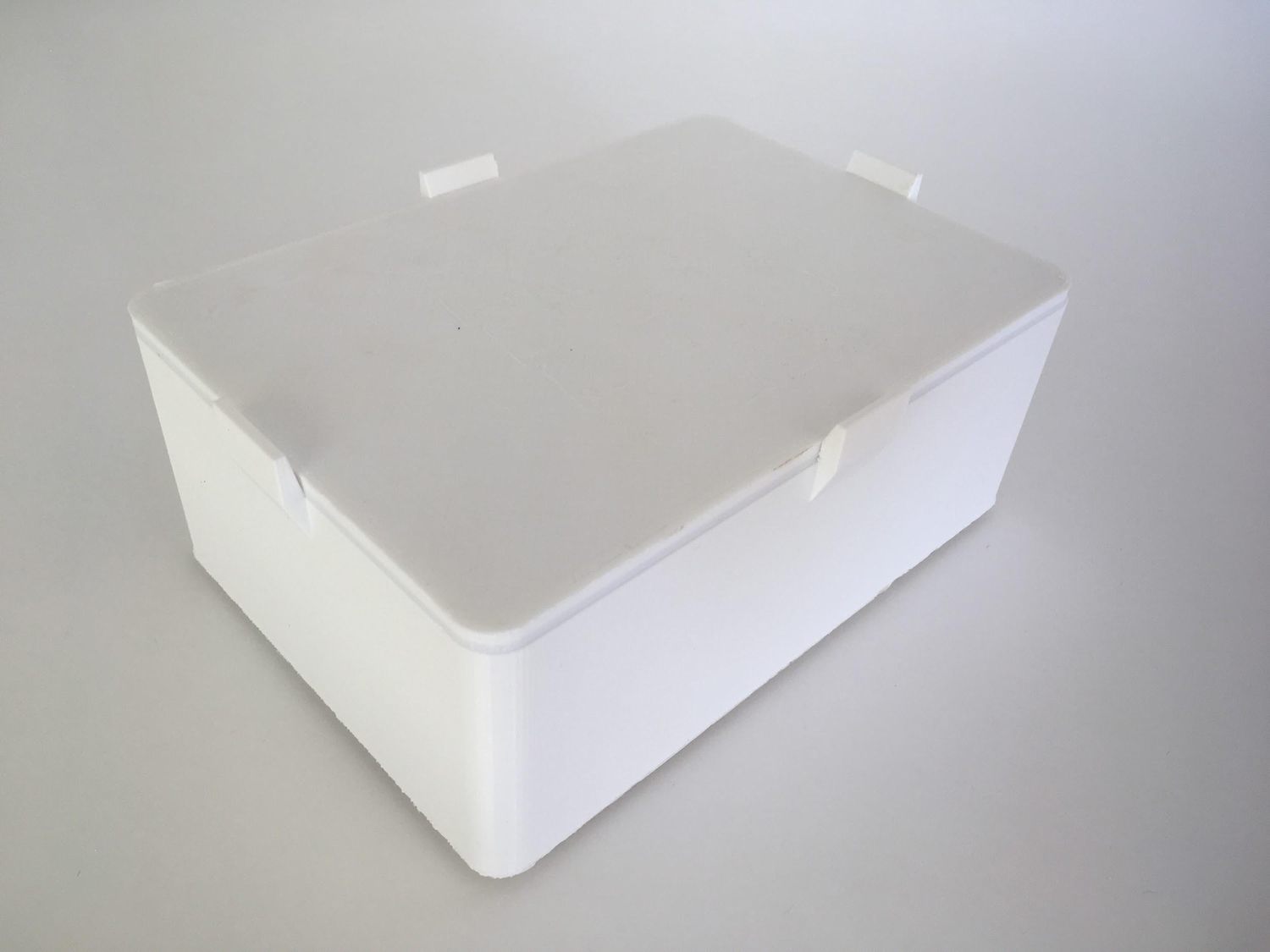
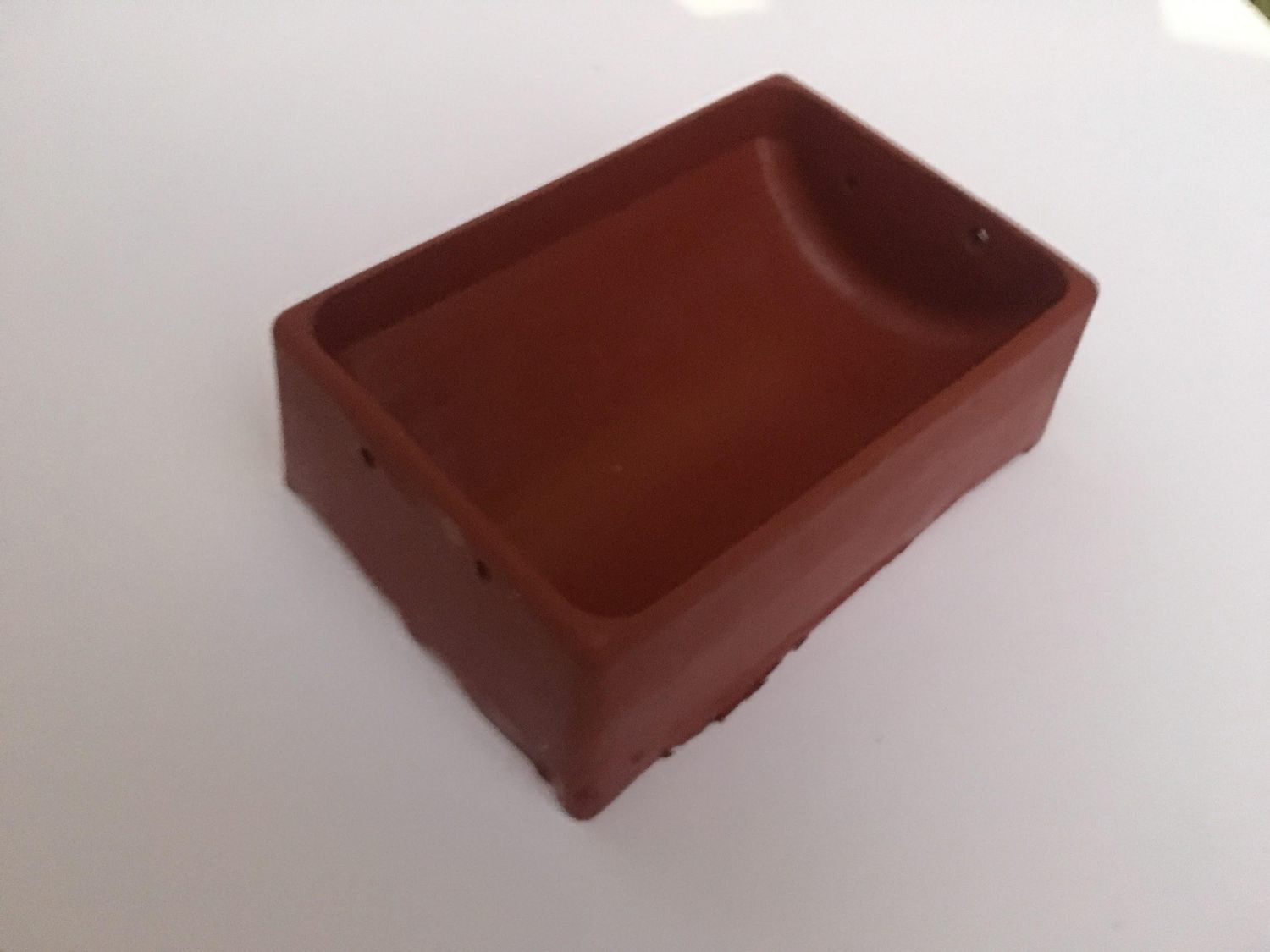
I updated the screen-clamp assembly lining to a butyrate material securely fastened with ABS corner clips, which ultimately increased ease of fabrication, lowered costs, and improved sanitizability. I also modified the design of critical component of the projector case-clamp assembly to allow easier fabrication without use of specialized manufacturing equipment
These BERT systems are now part of standard practice in the PACU at LPCH and have spread to other departments within the LPCH as well as other hospitals in the Bay Area
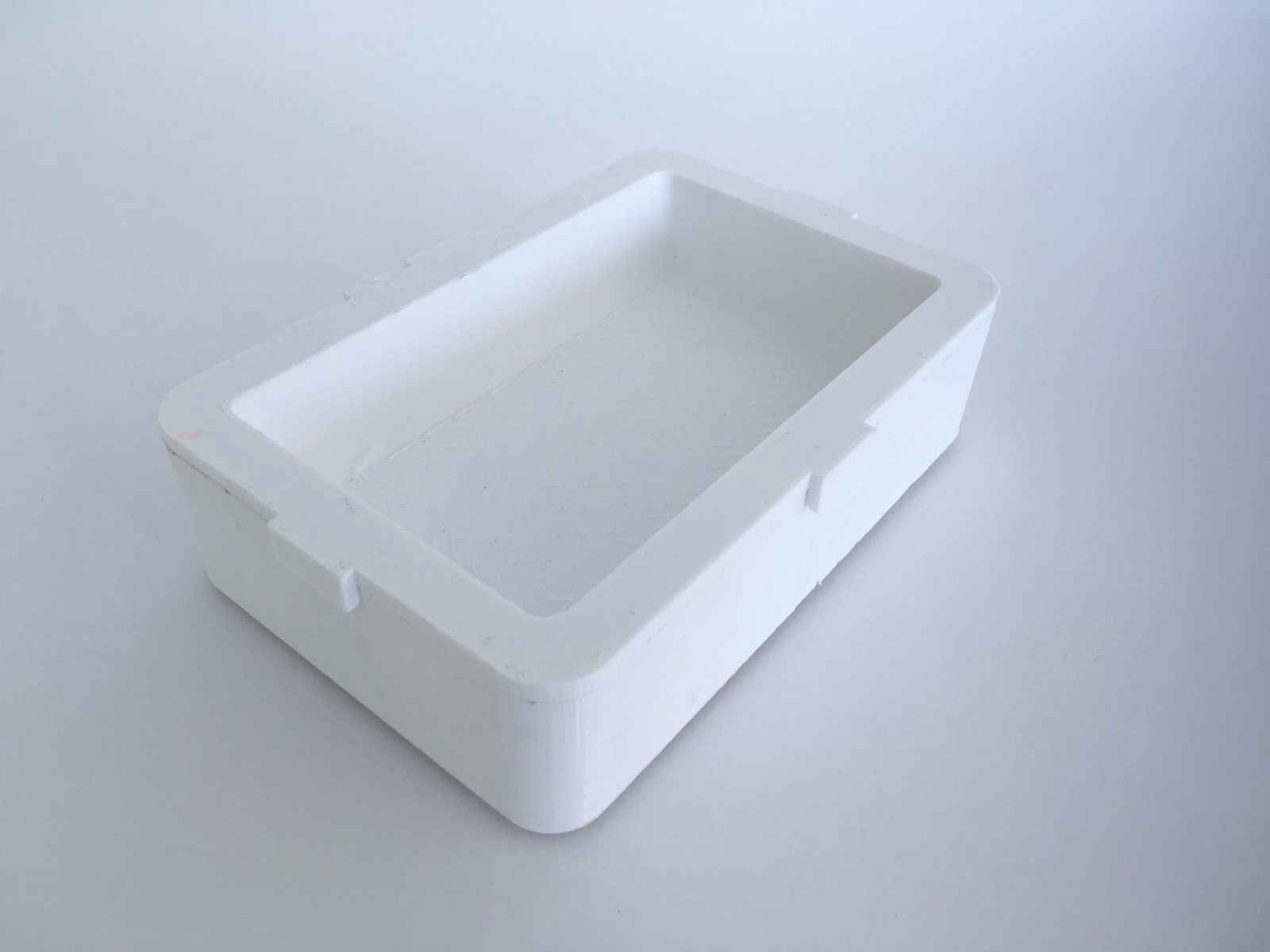
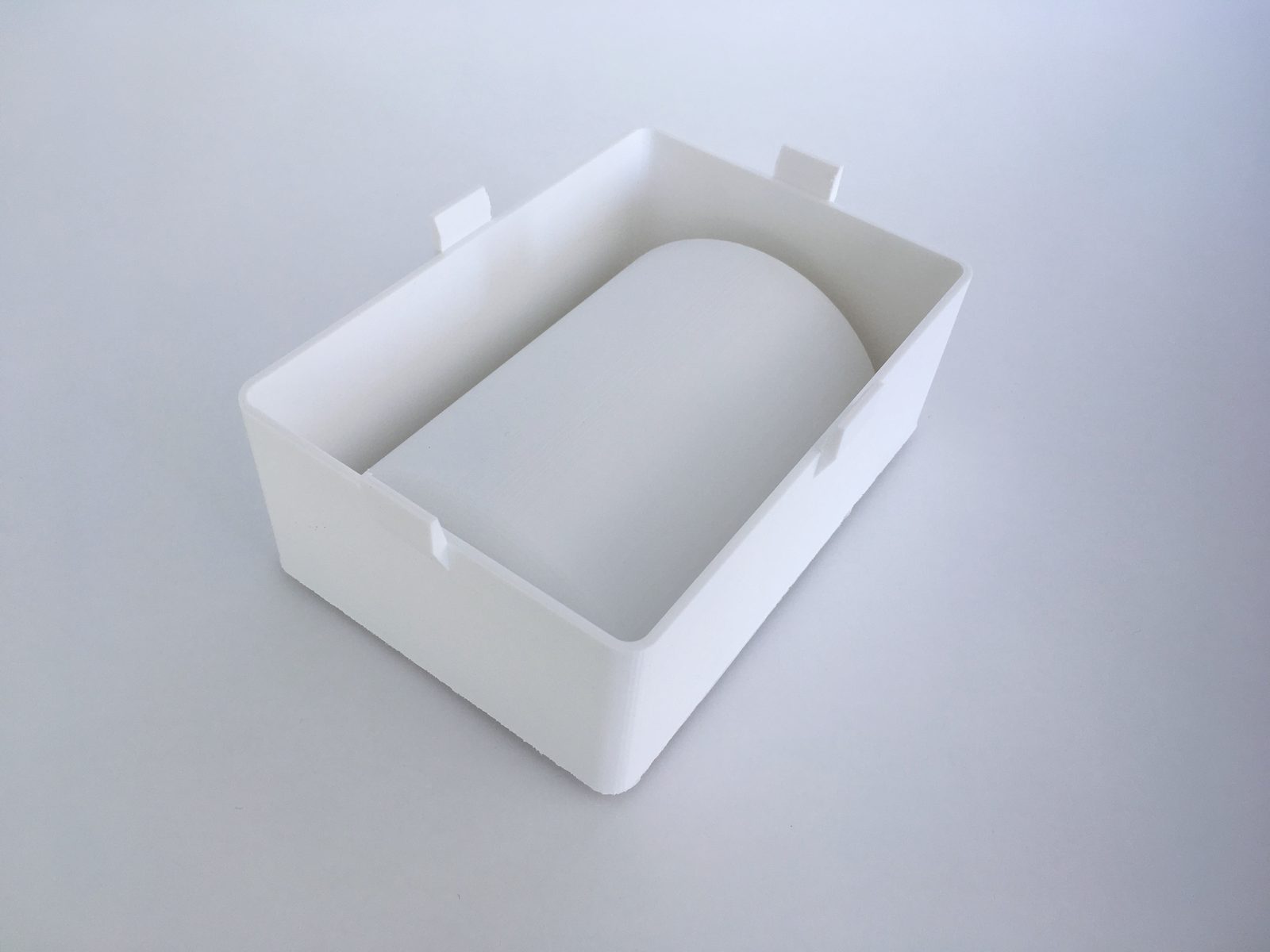
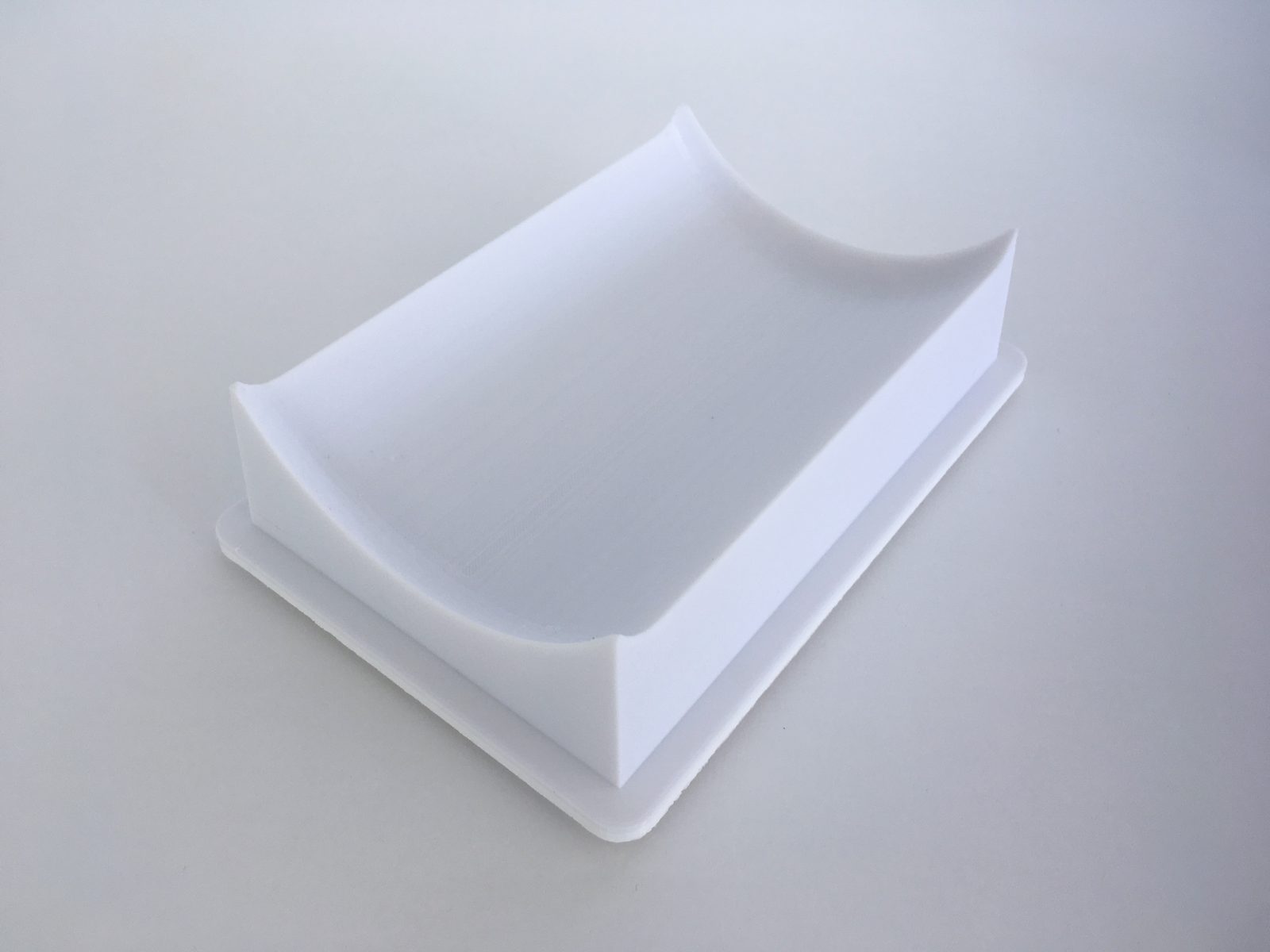
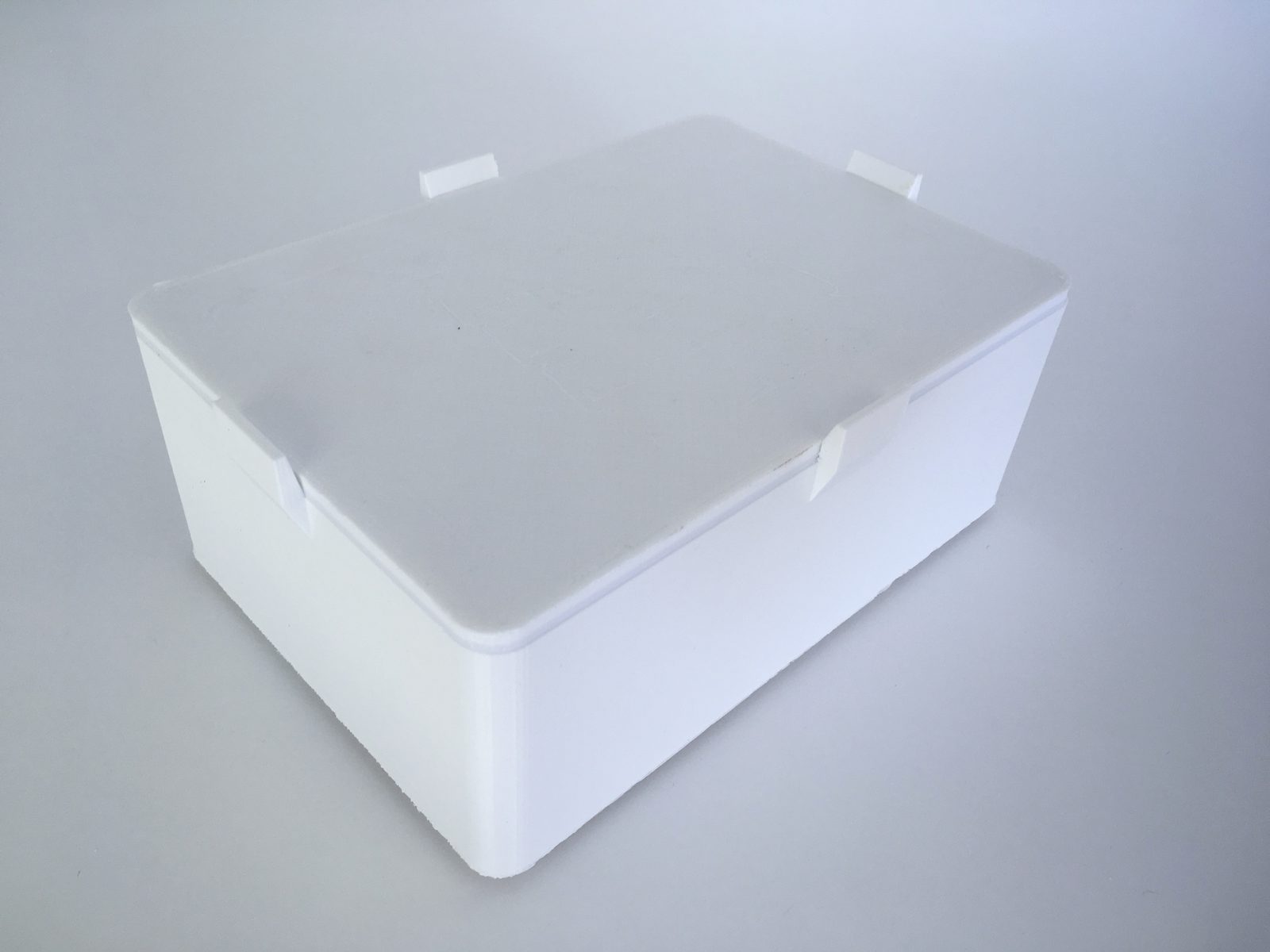
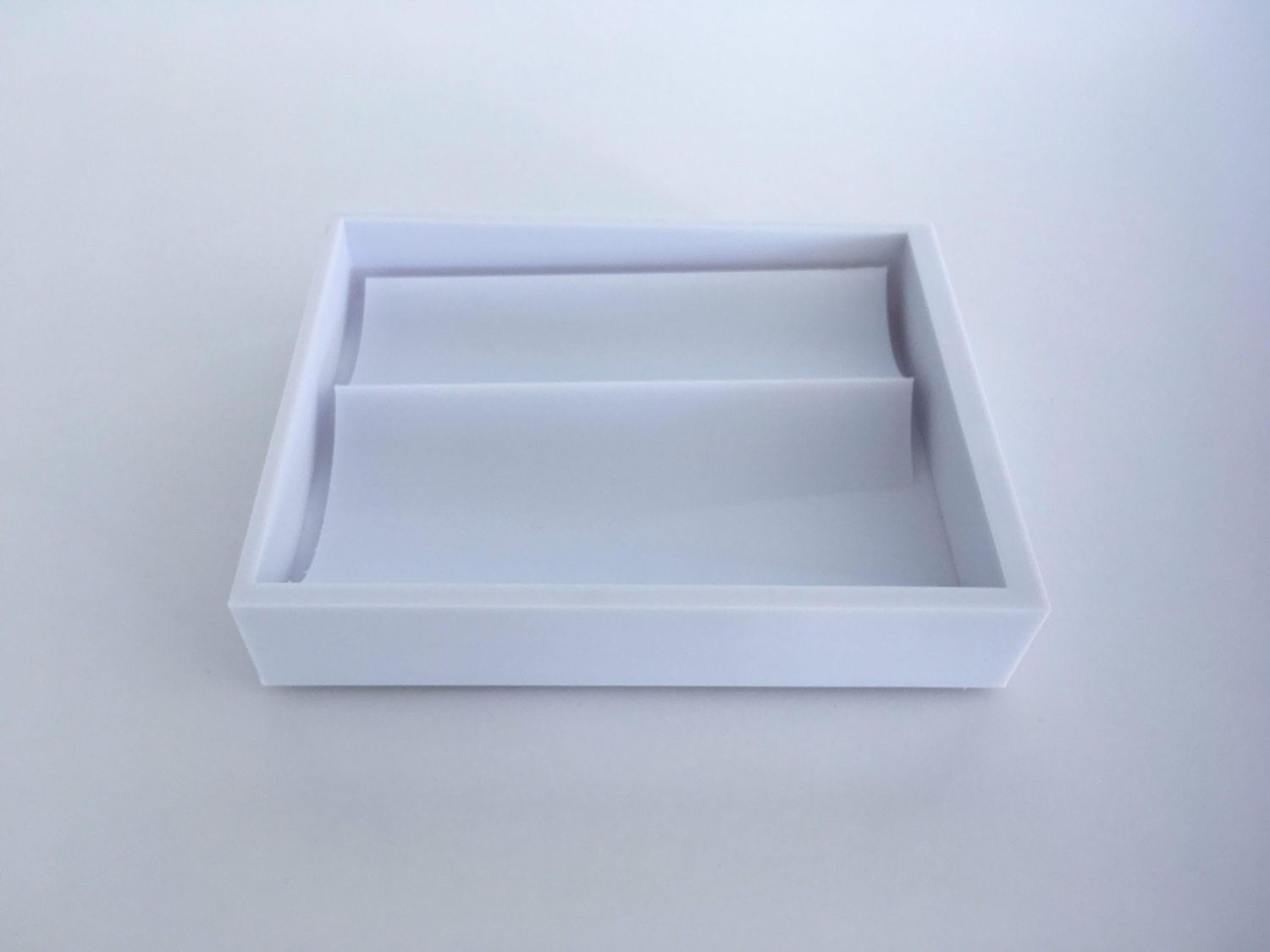
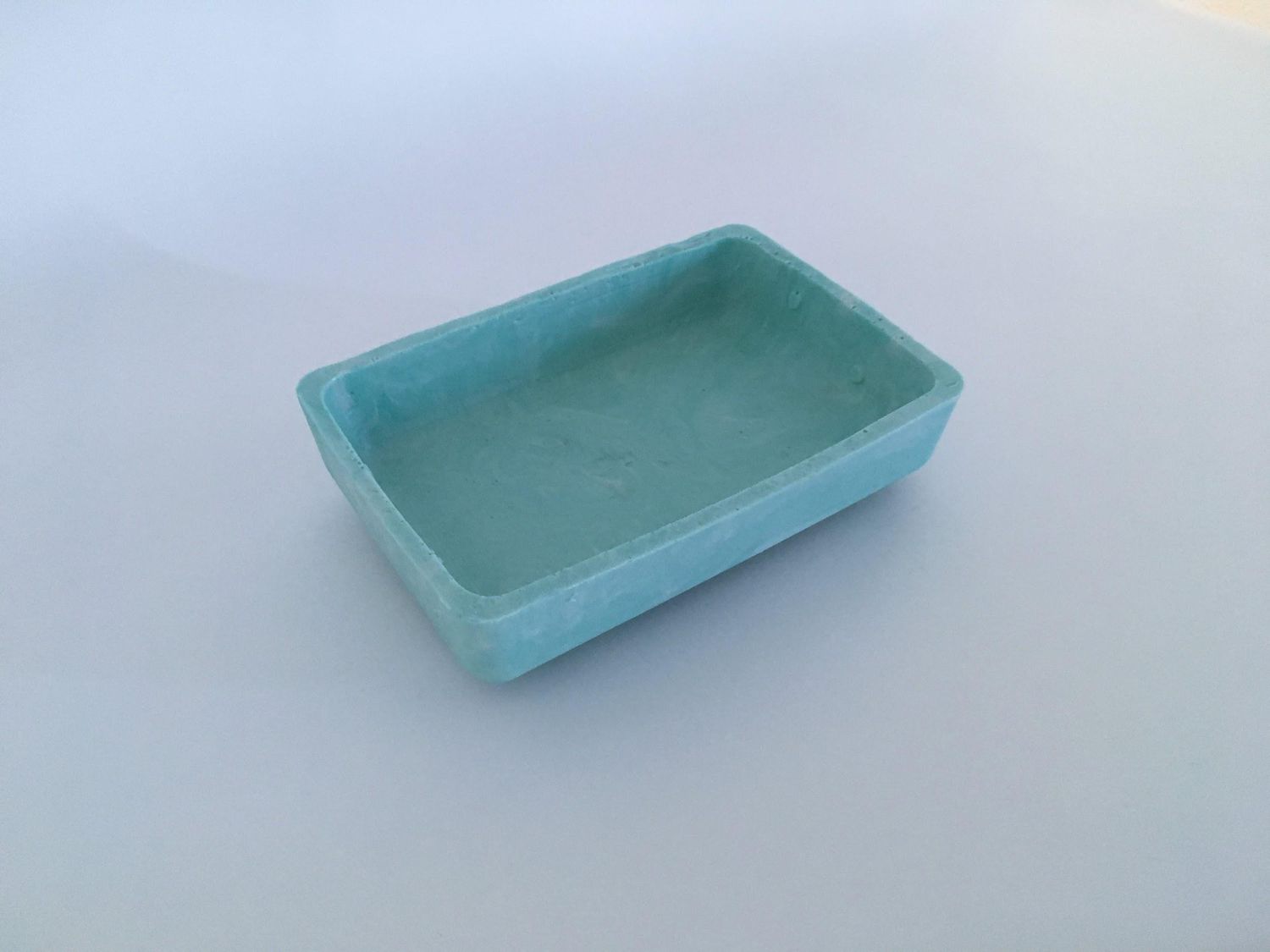
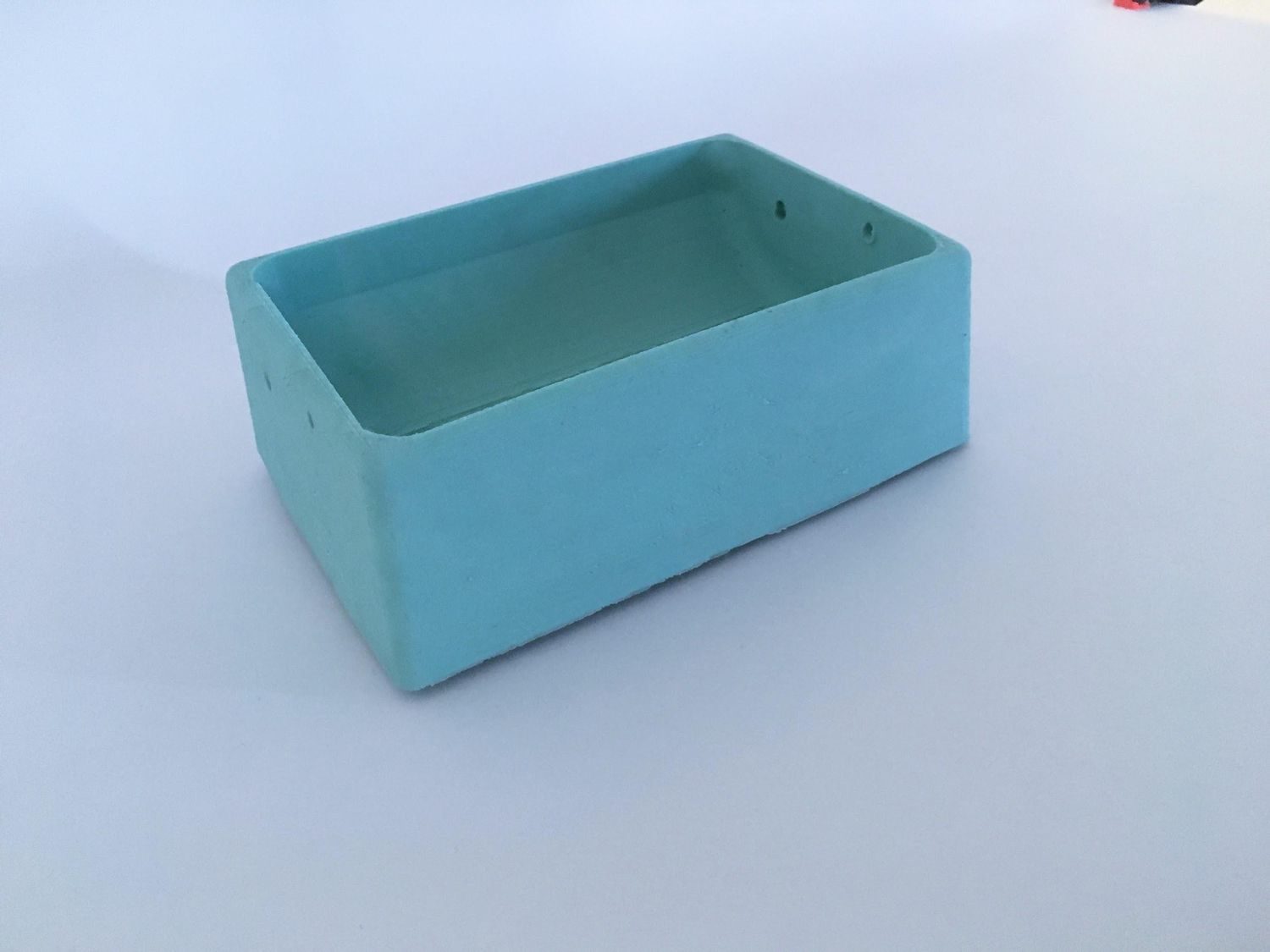
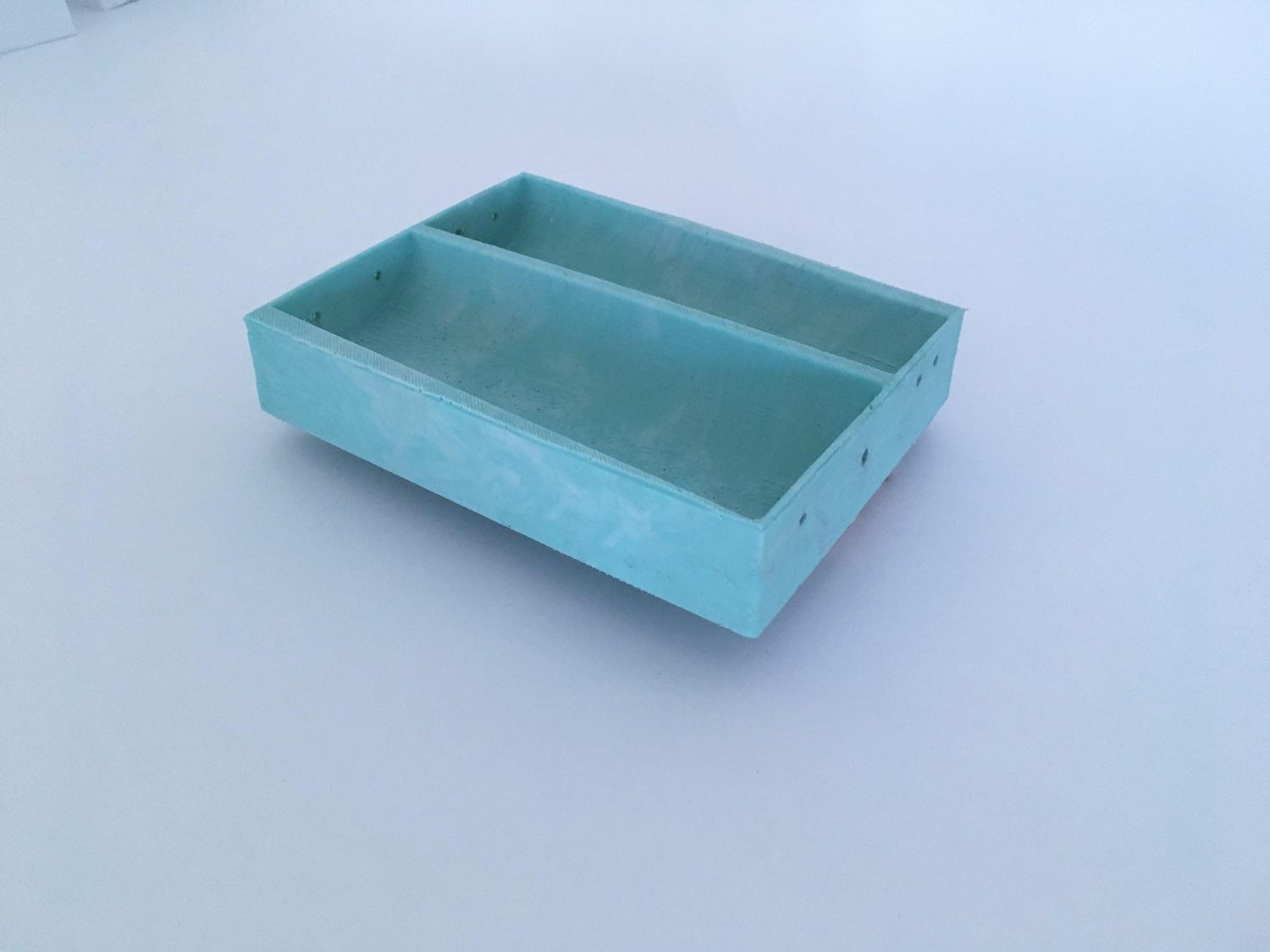
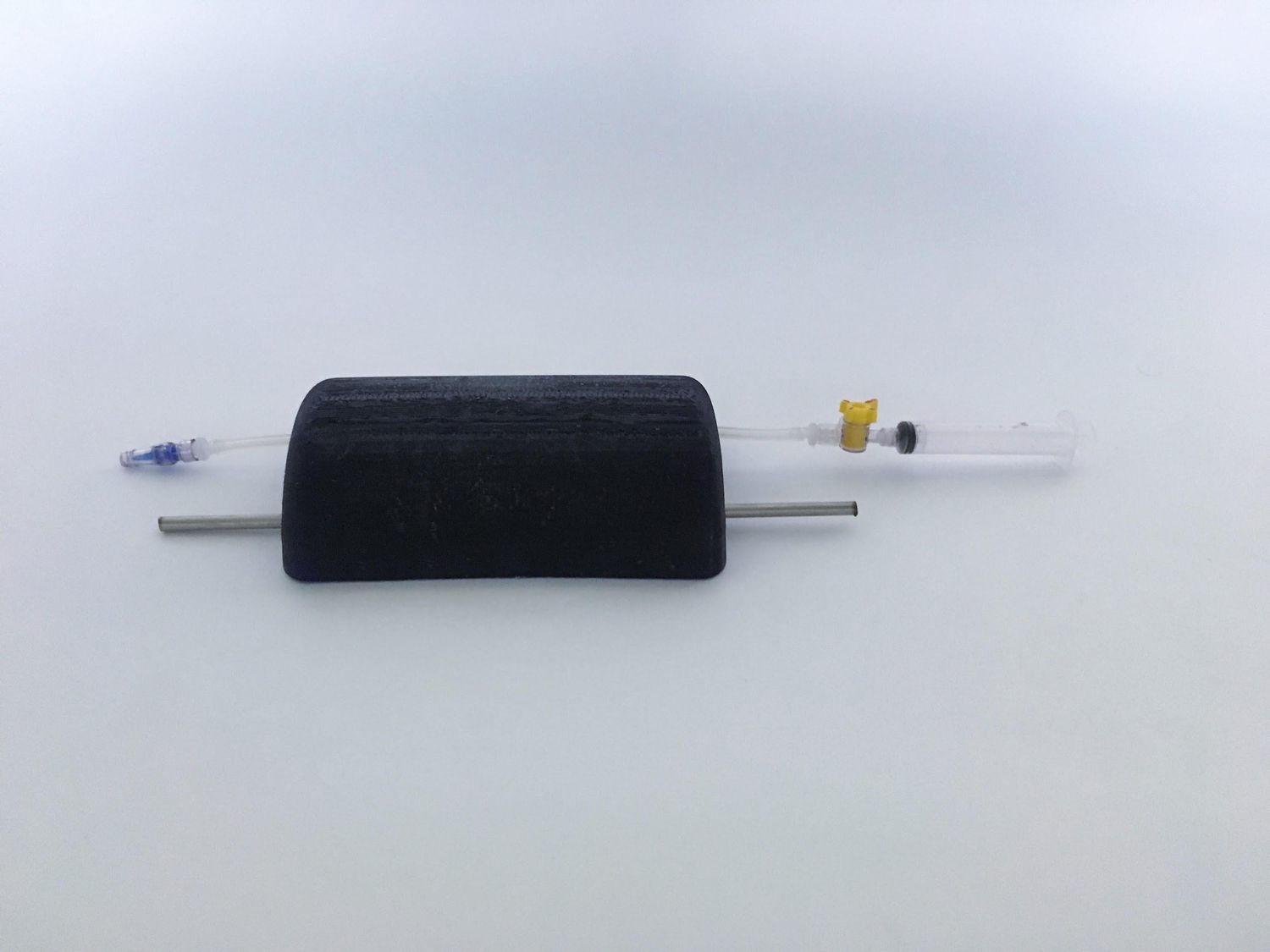
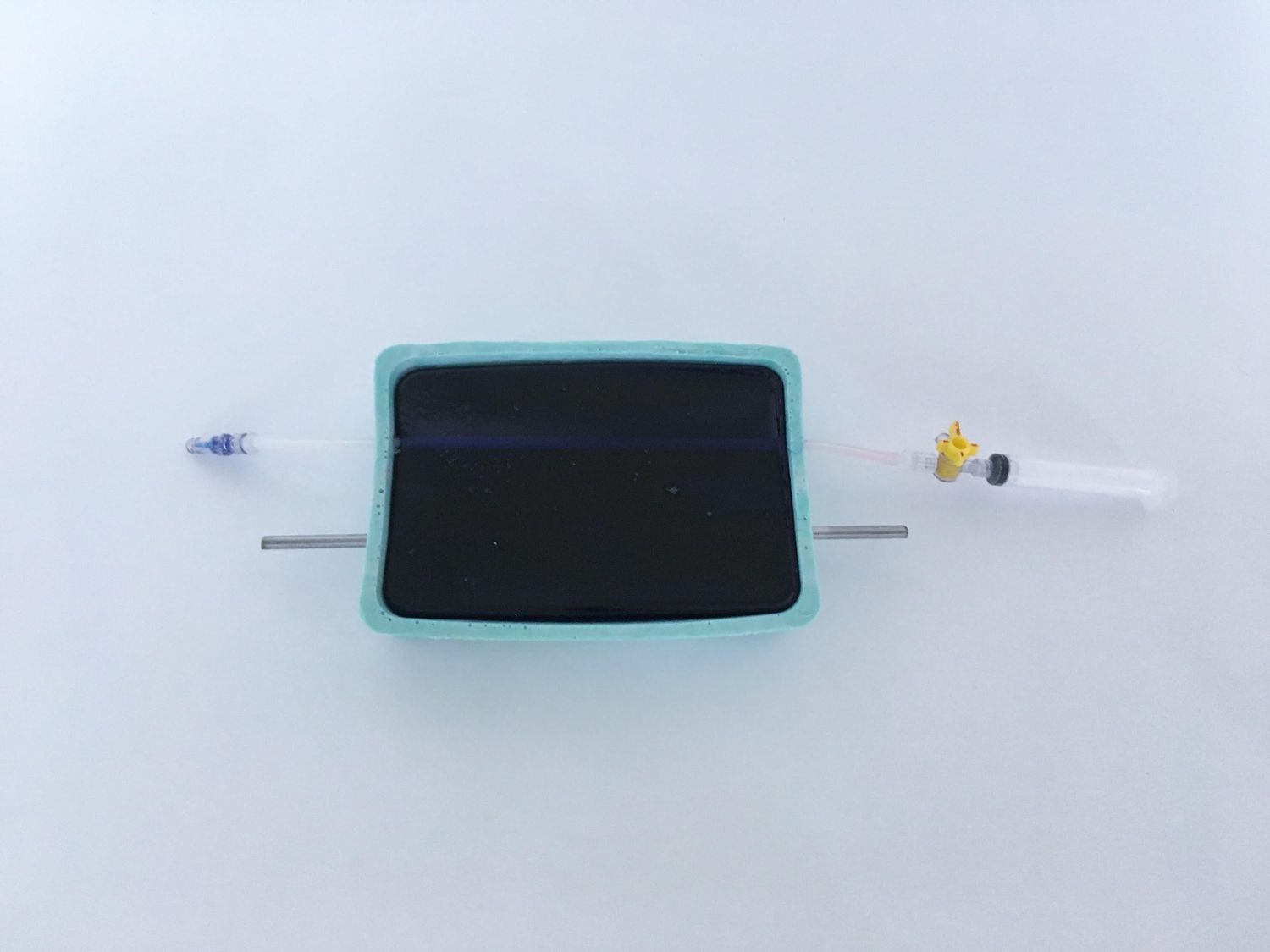
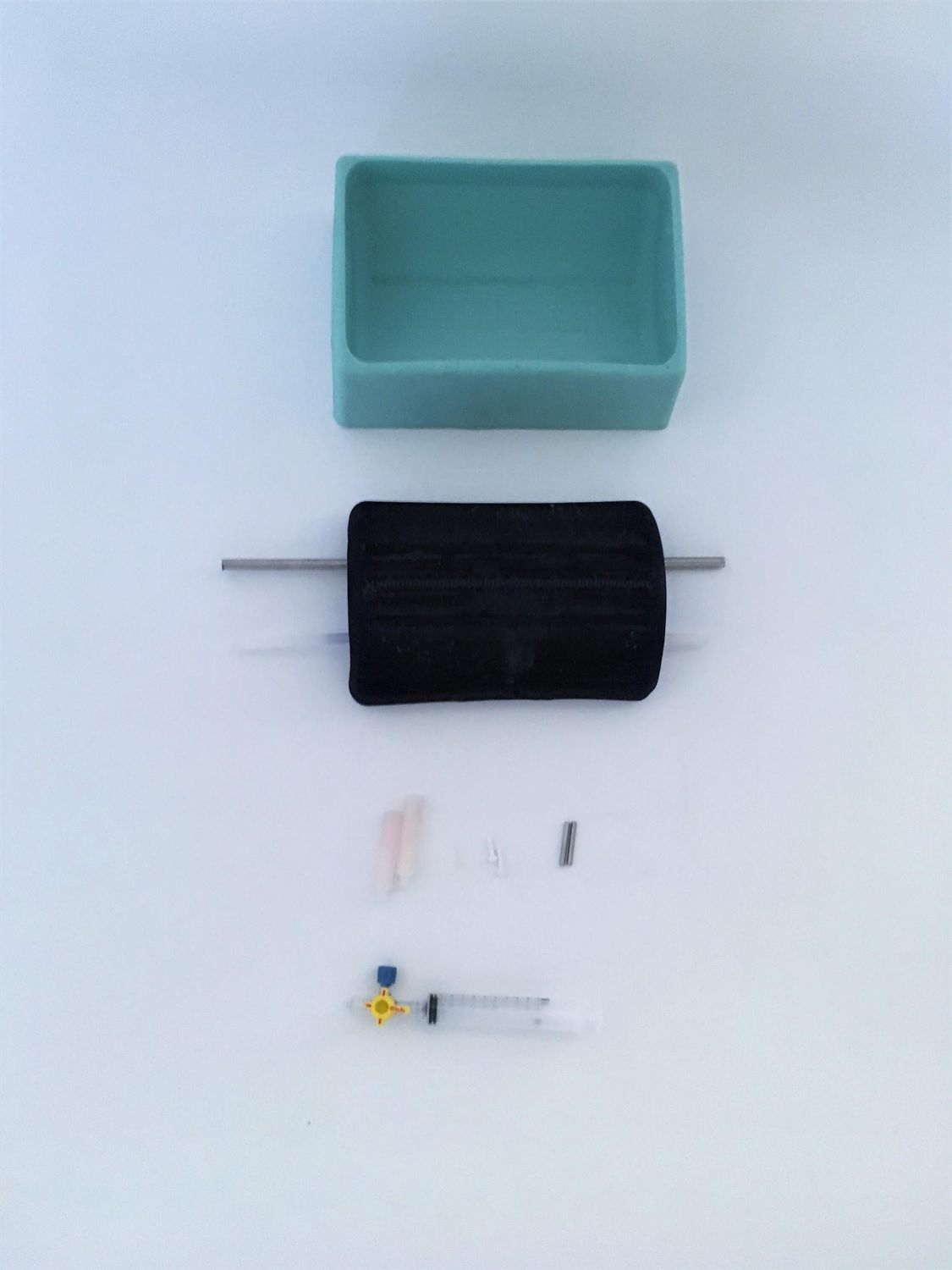
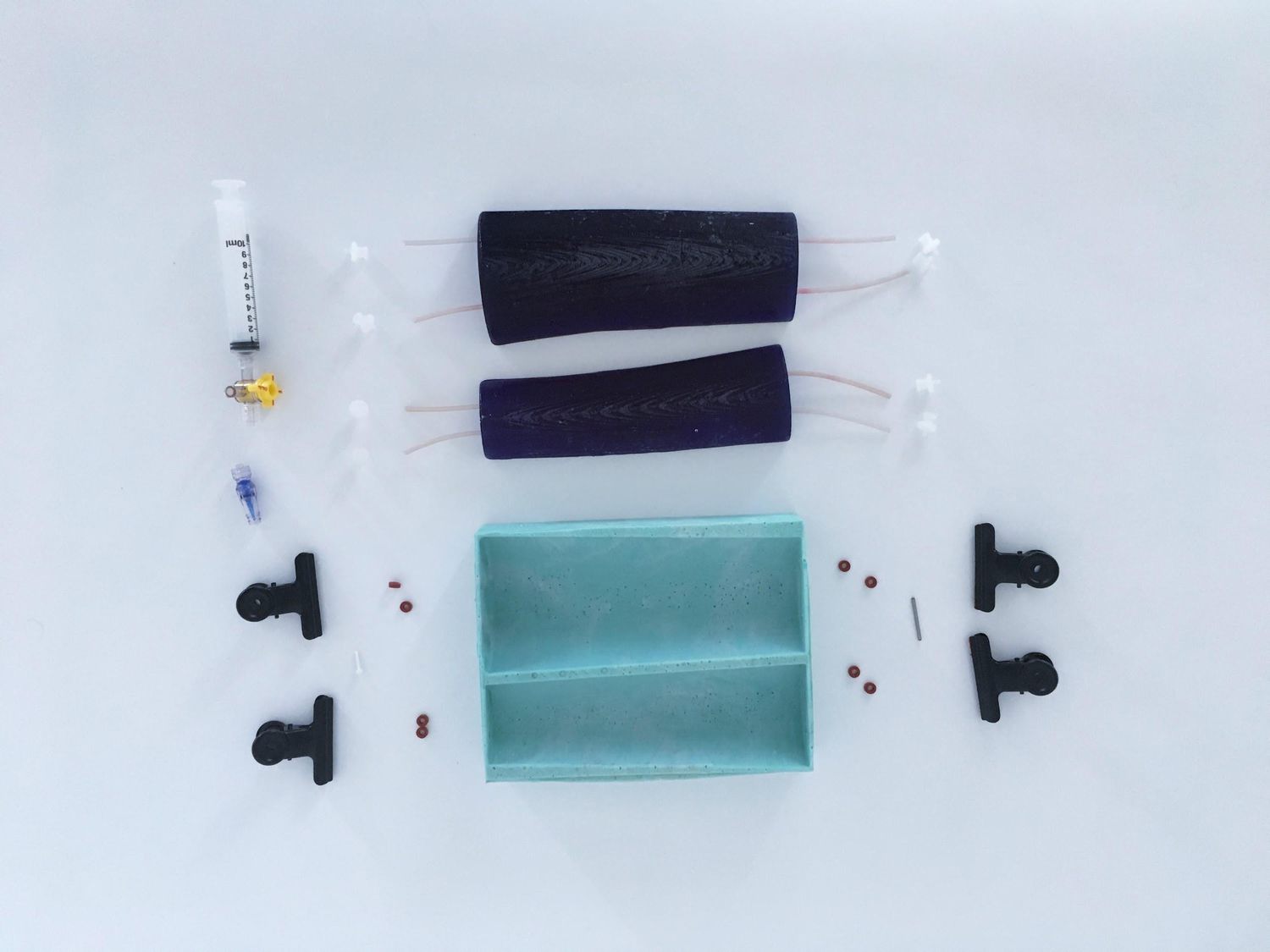
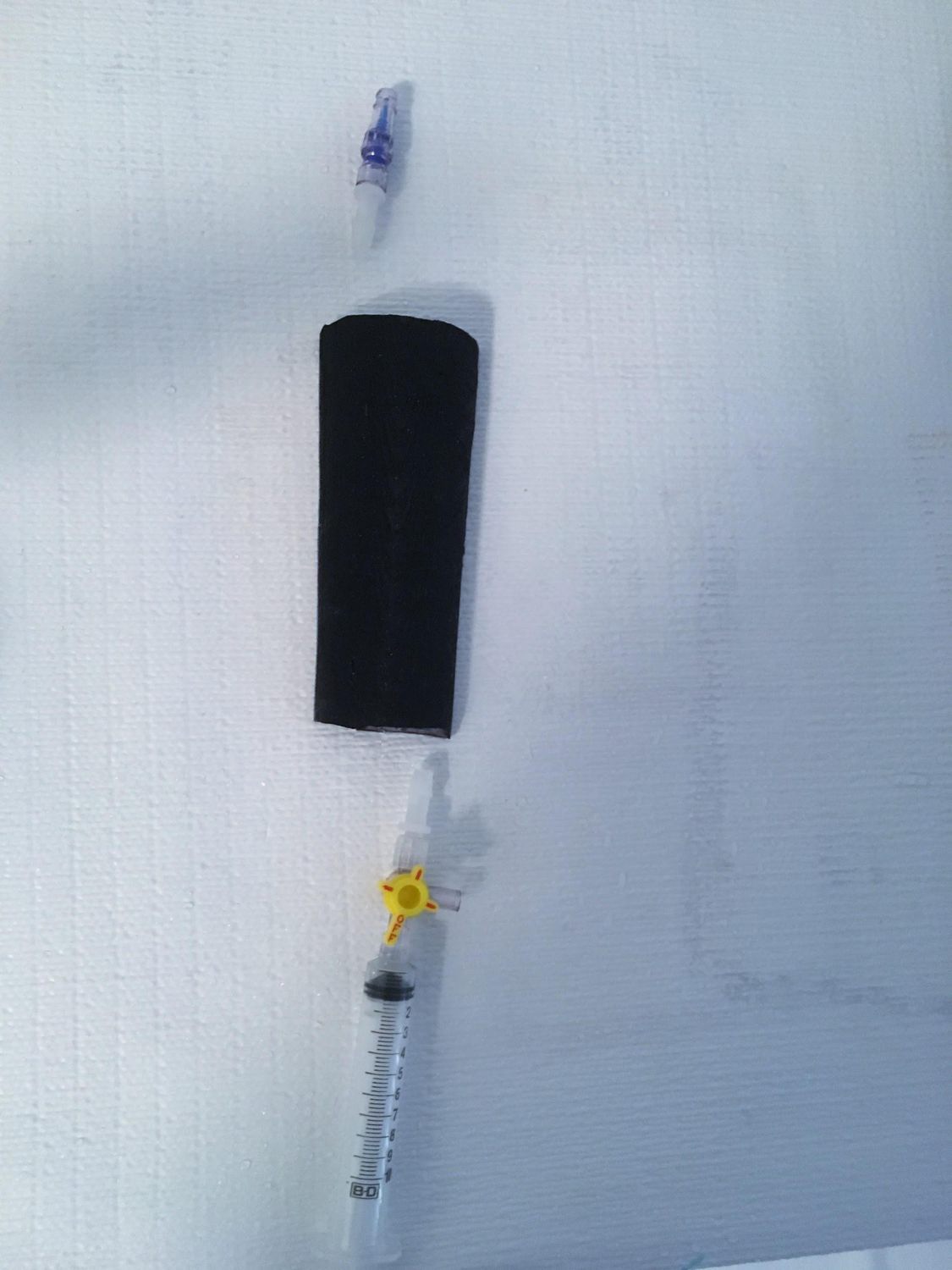
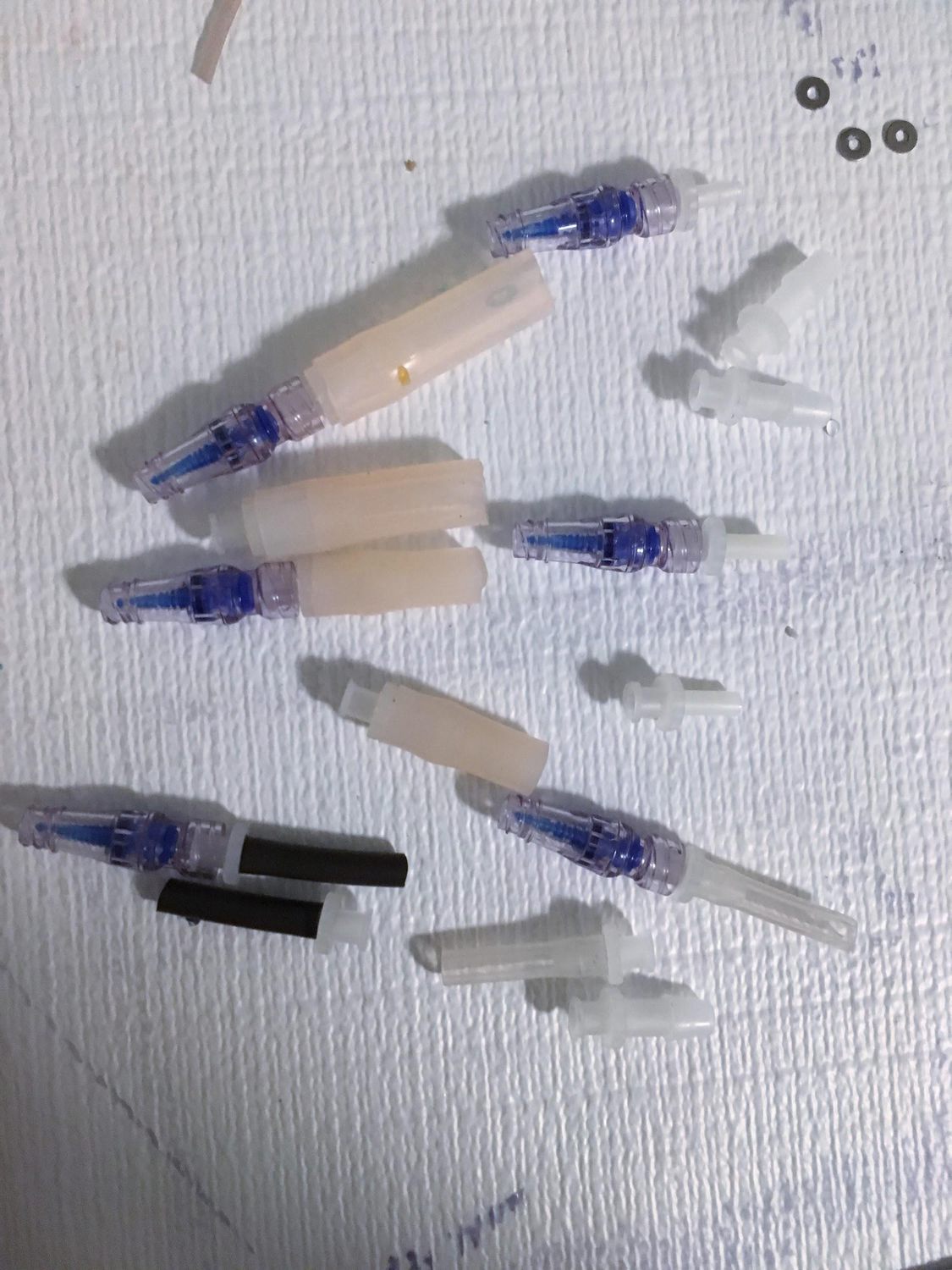
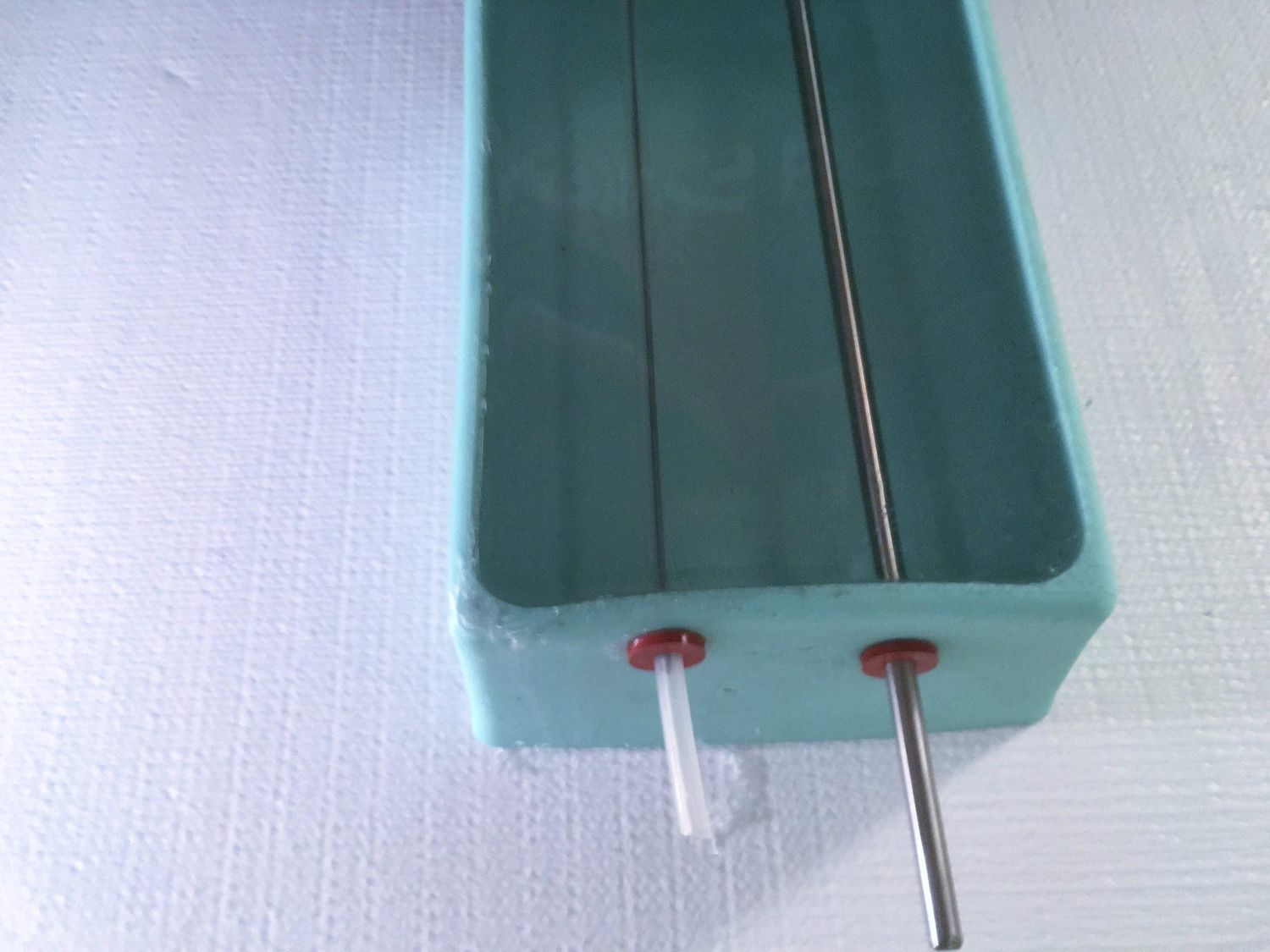
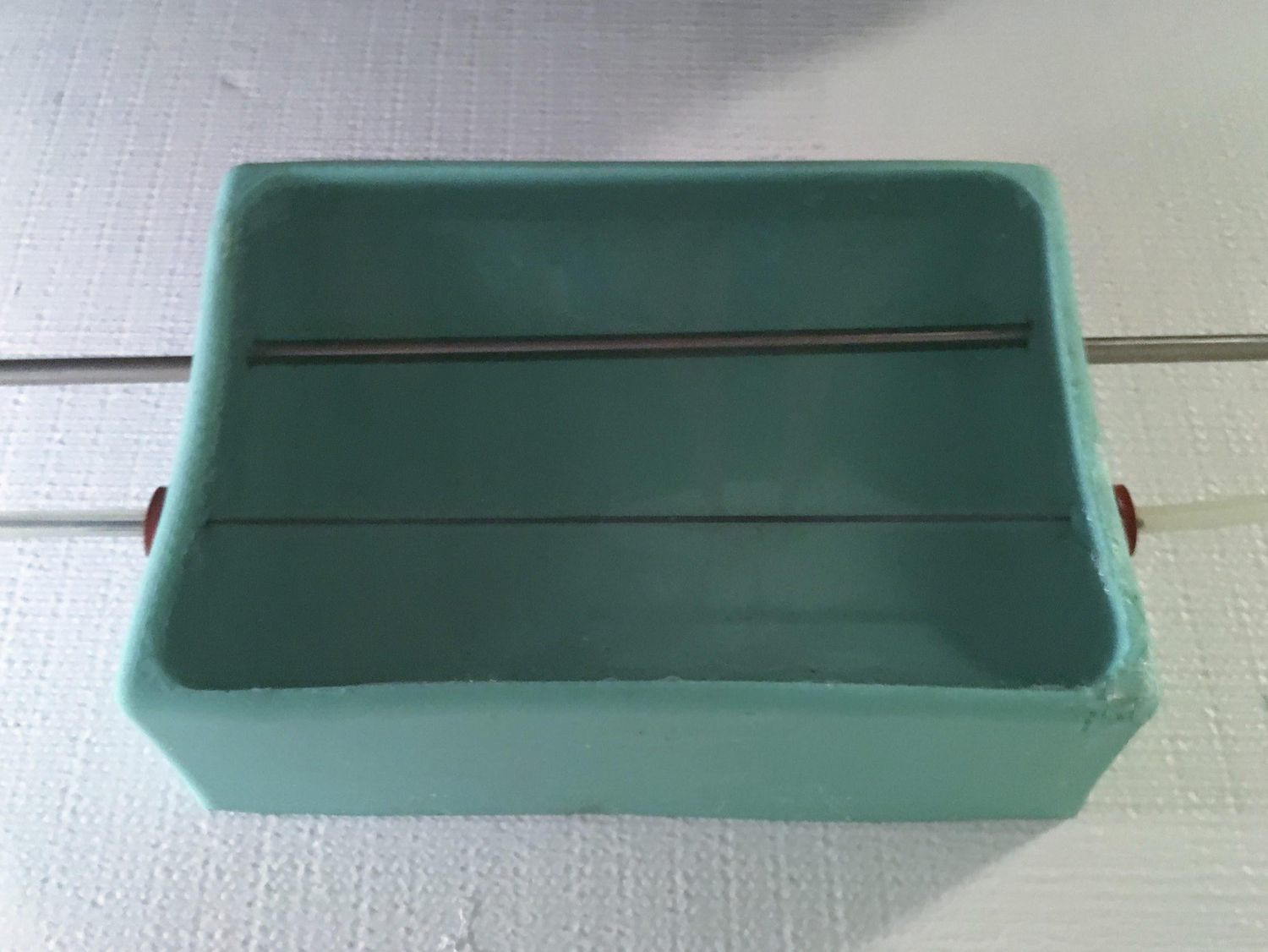
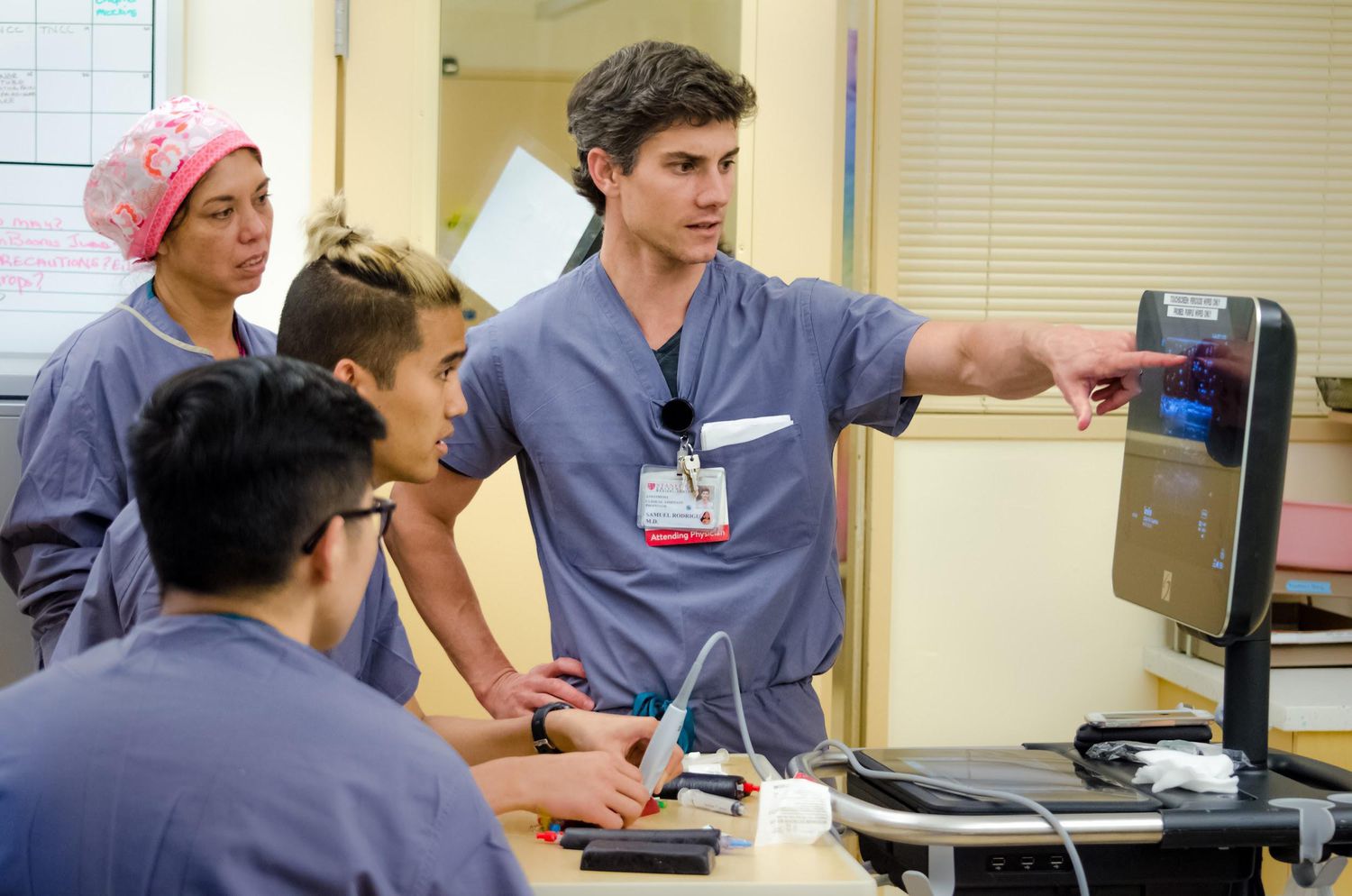
Arm Phantoms
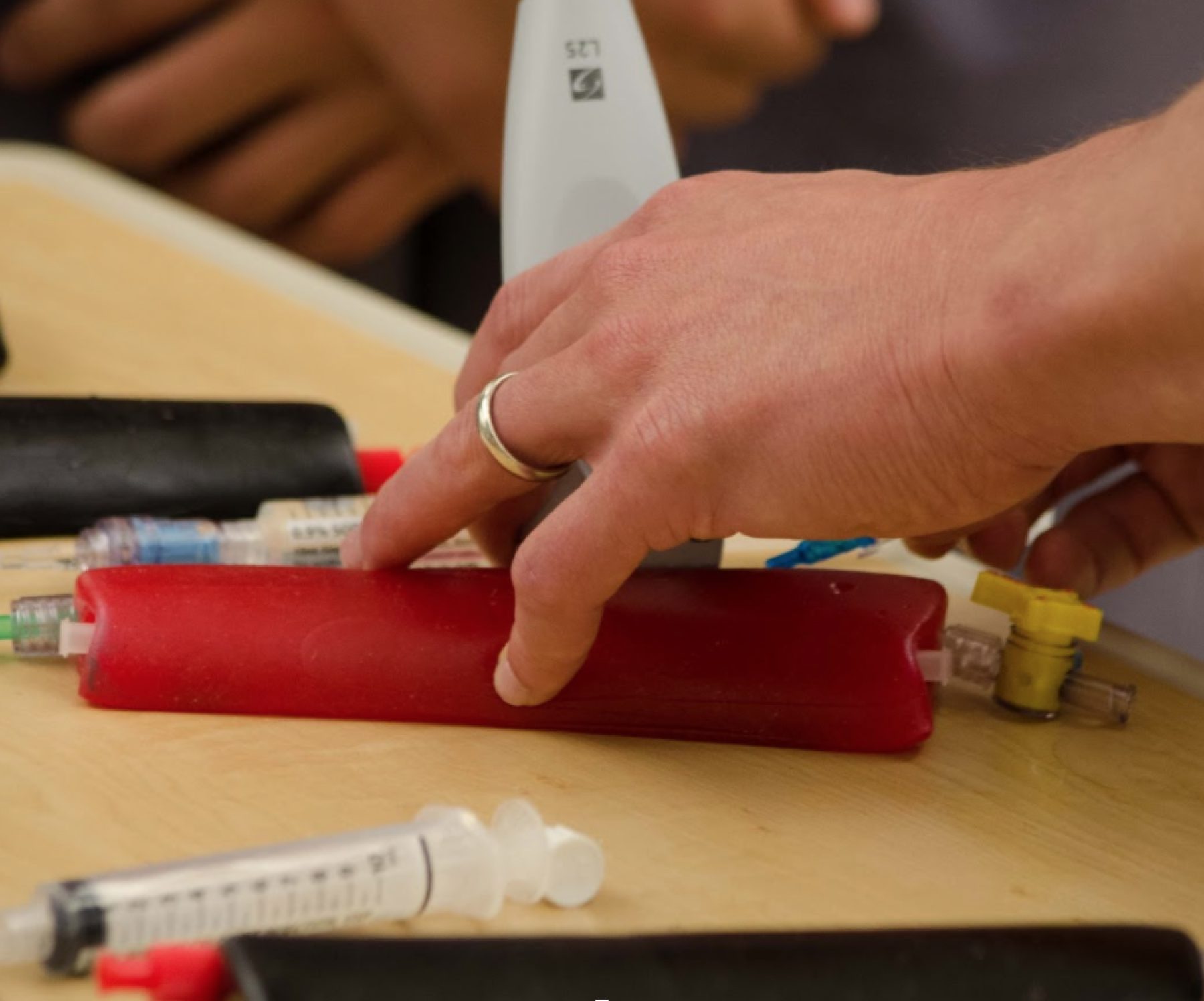
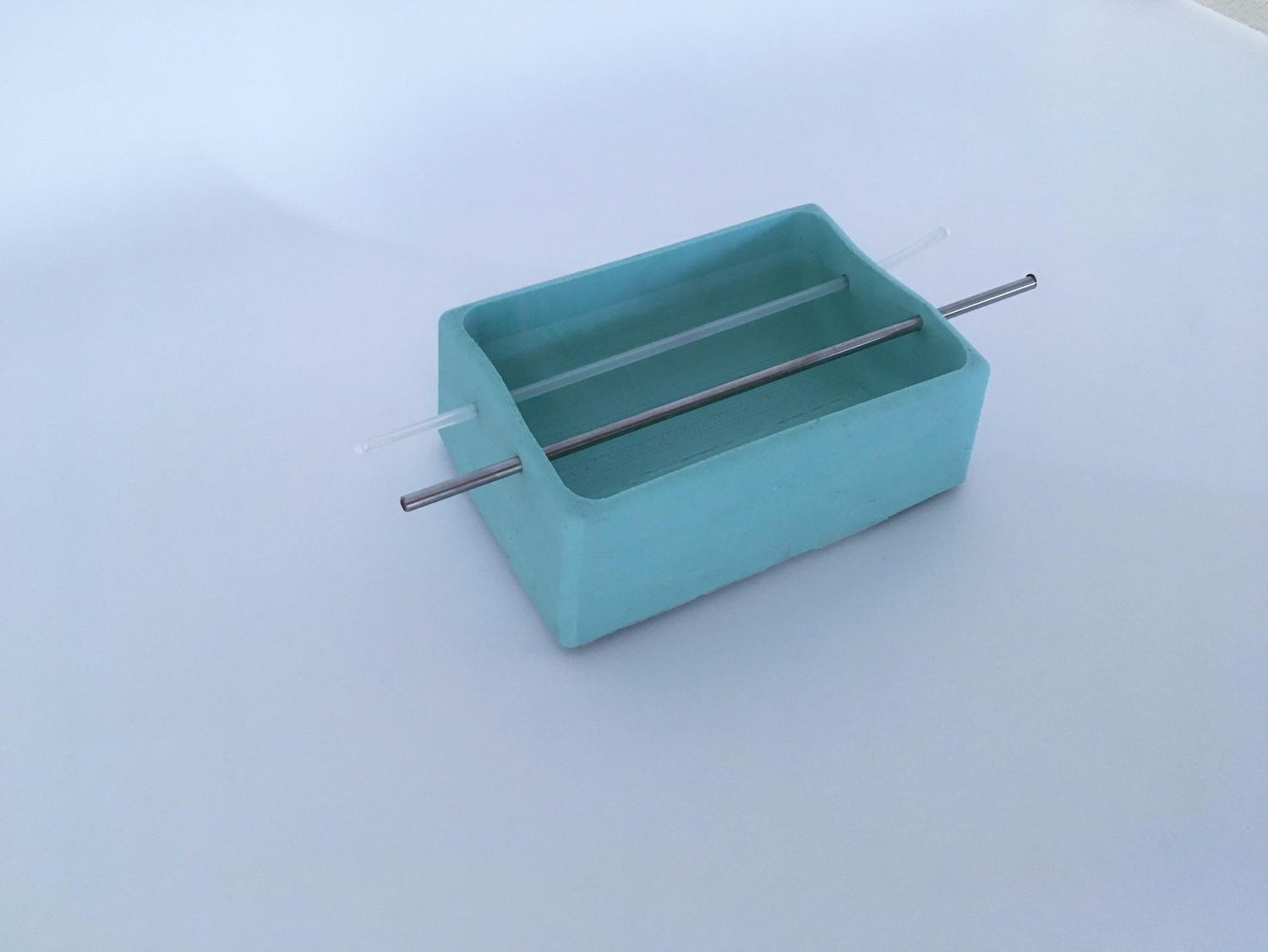
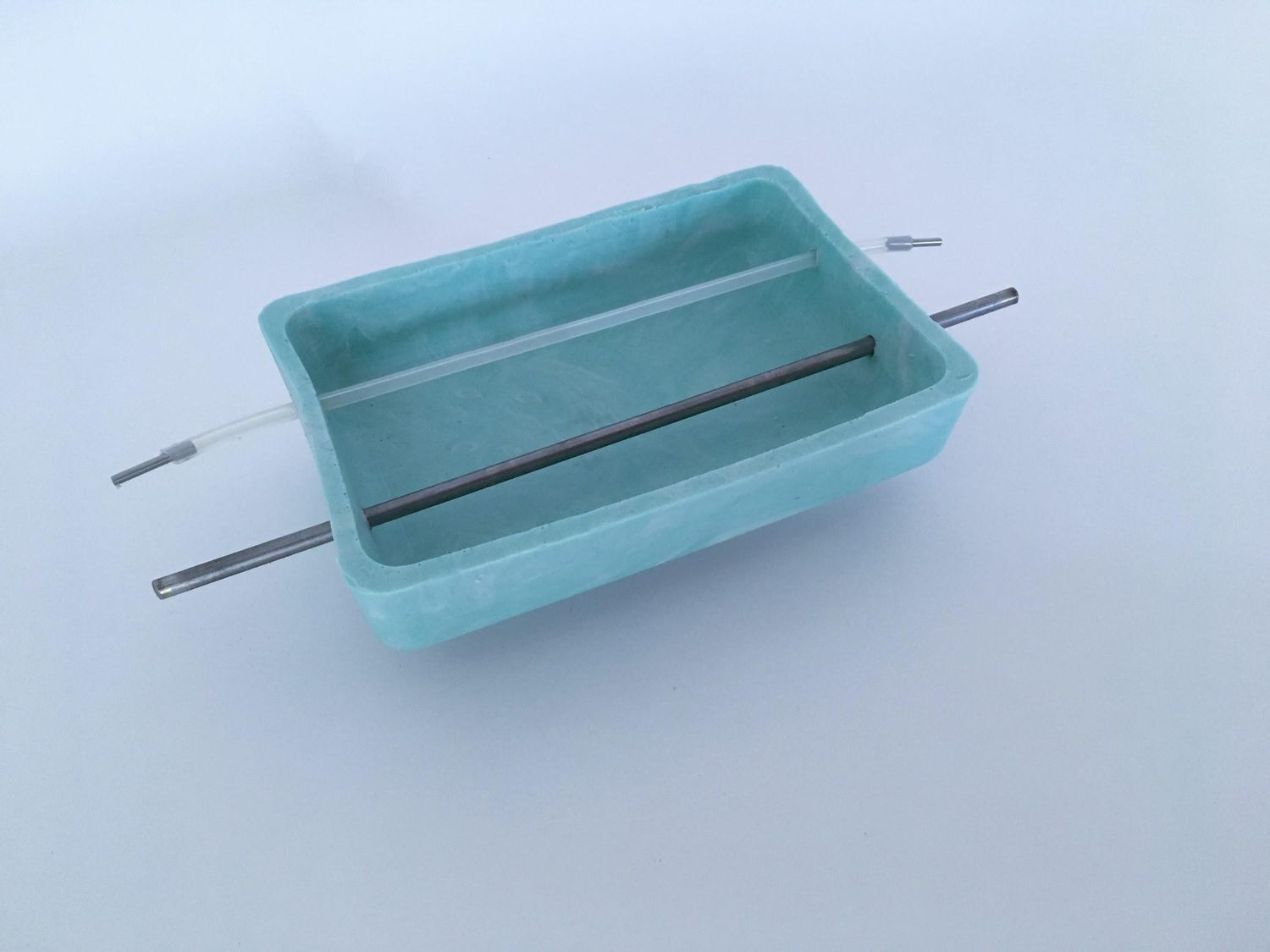
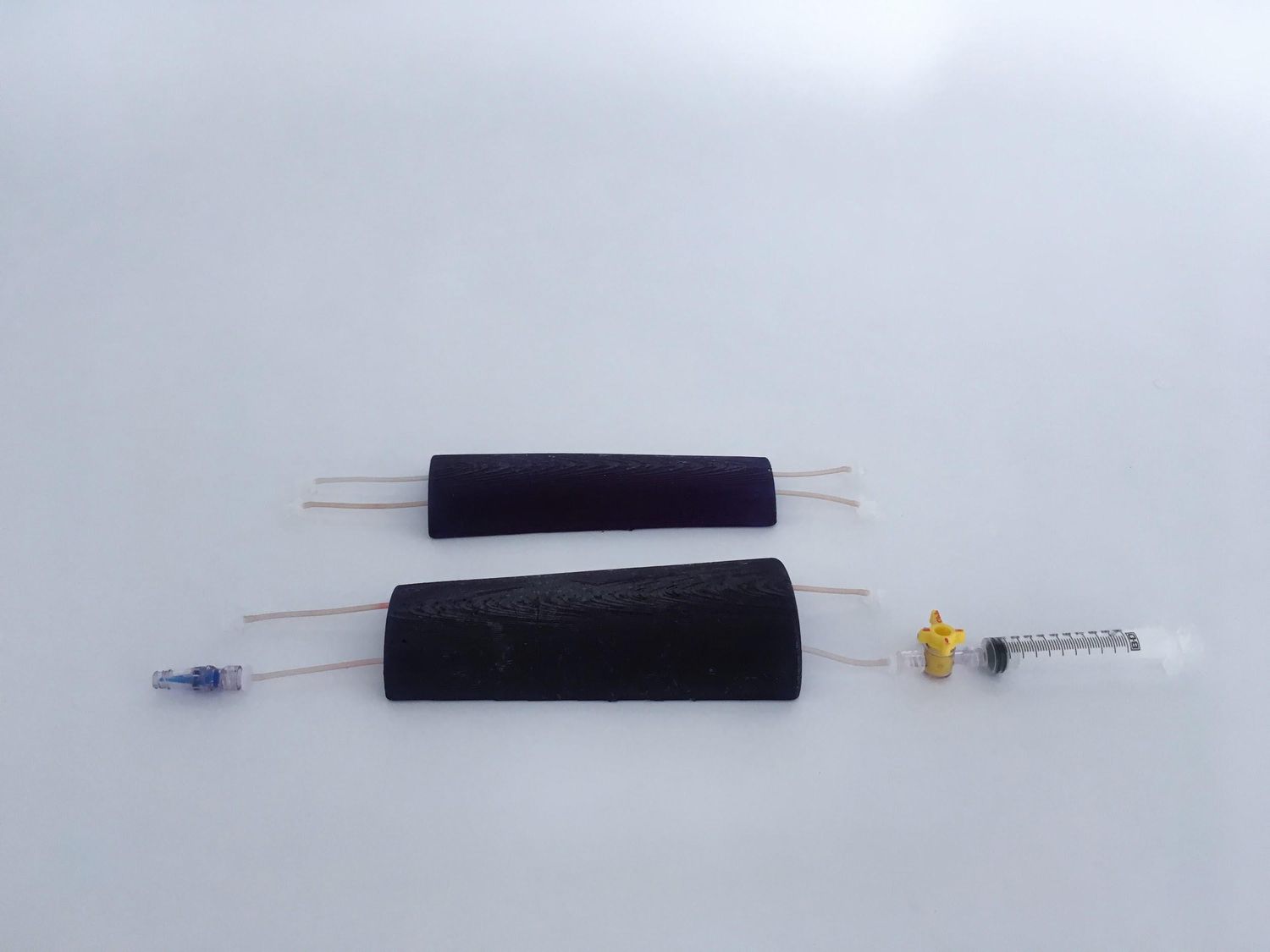
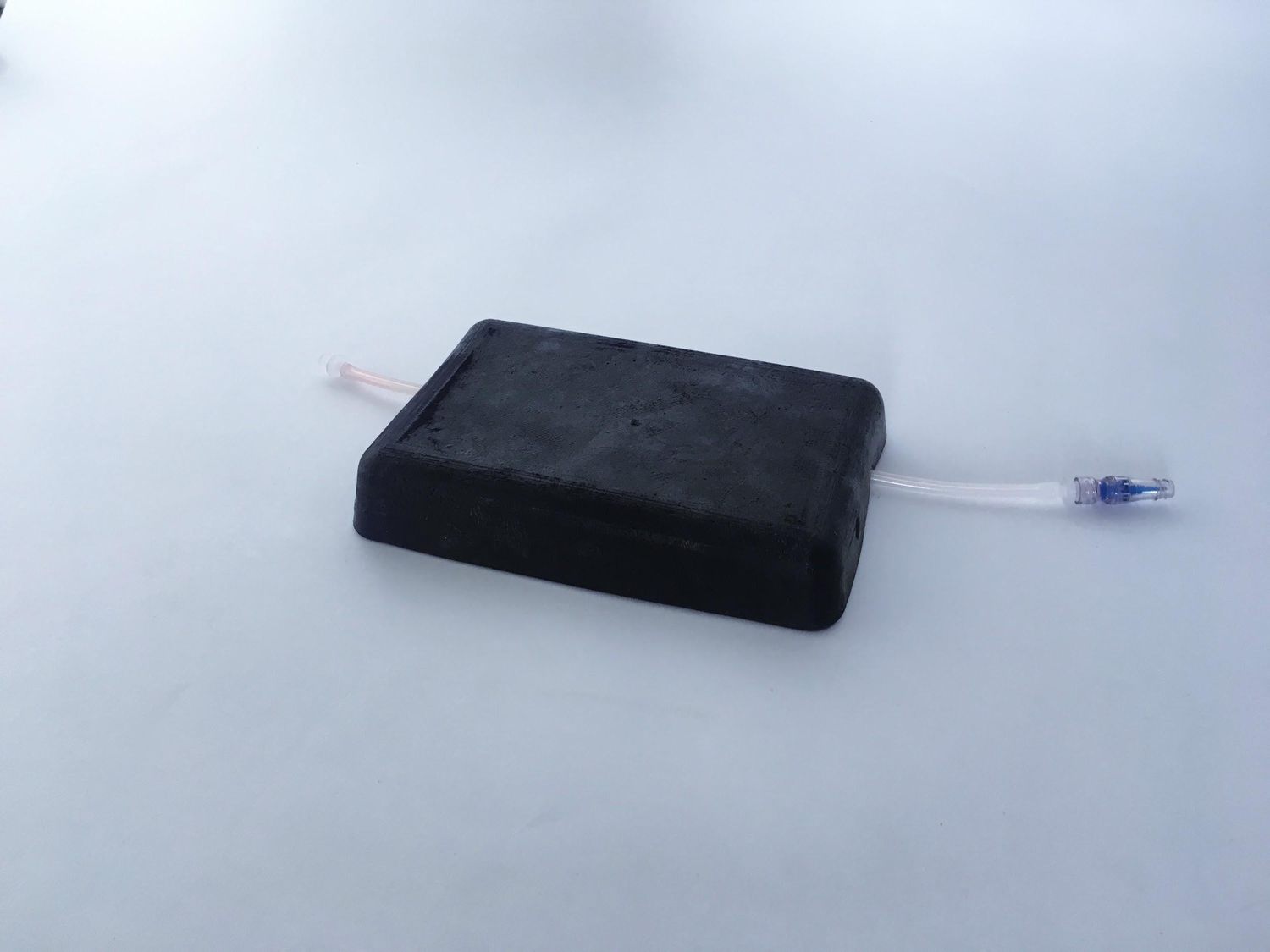
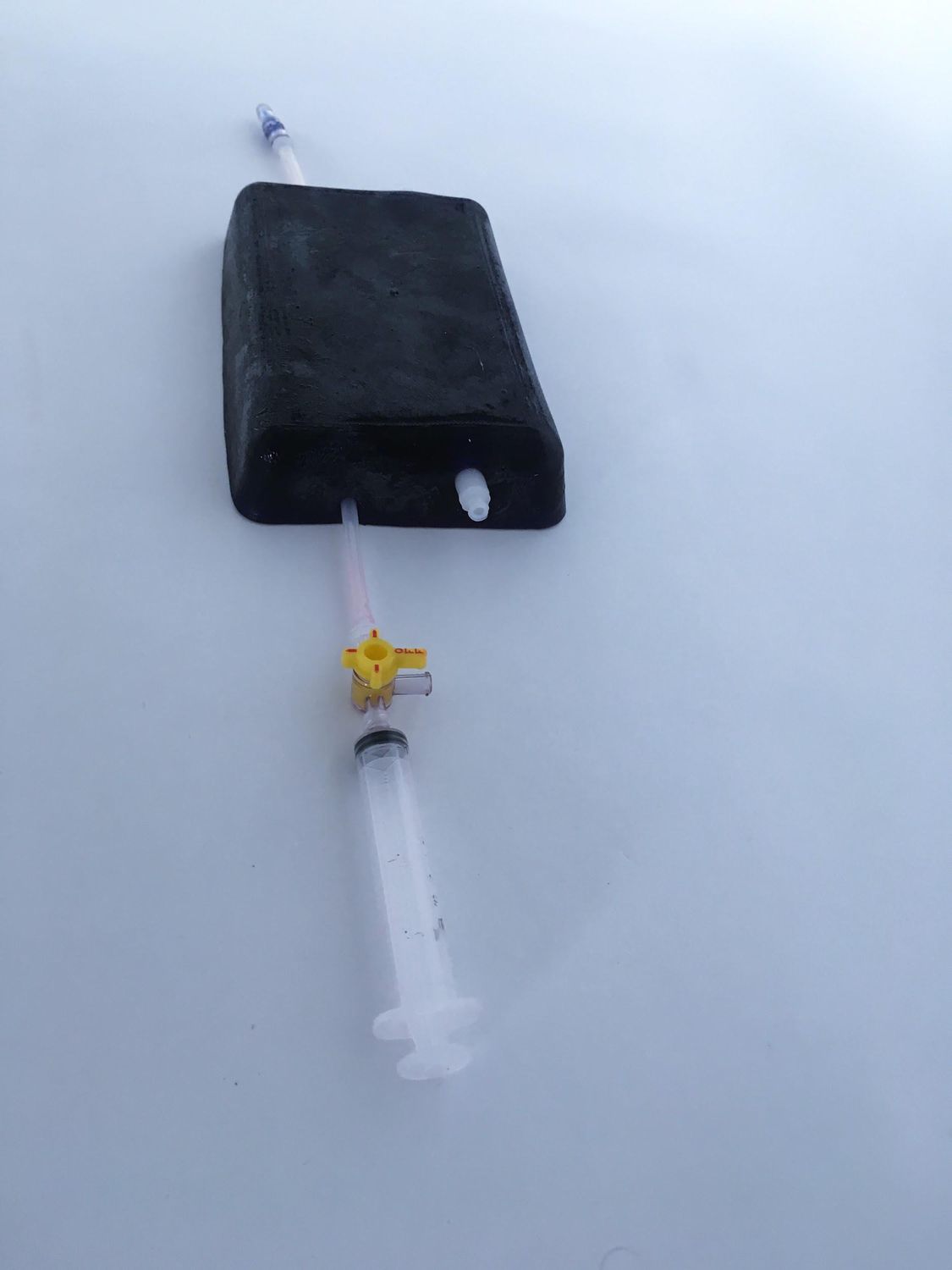
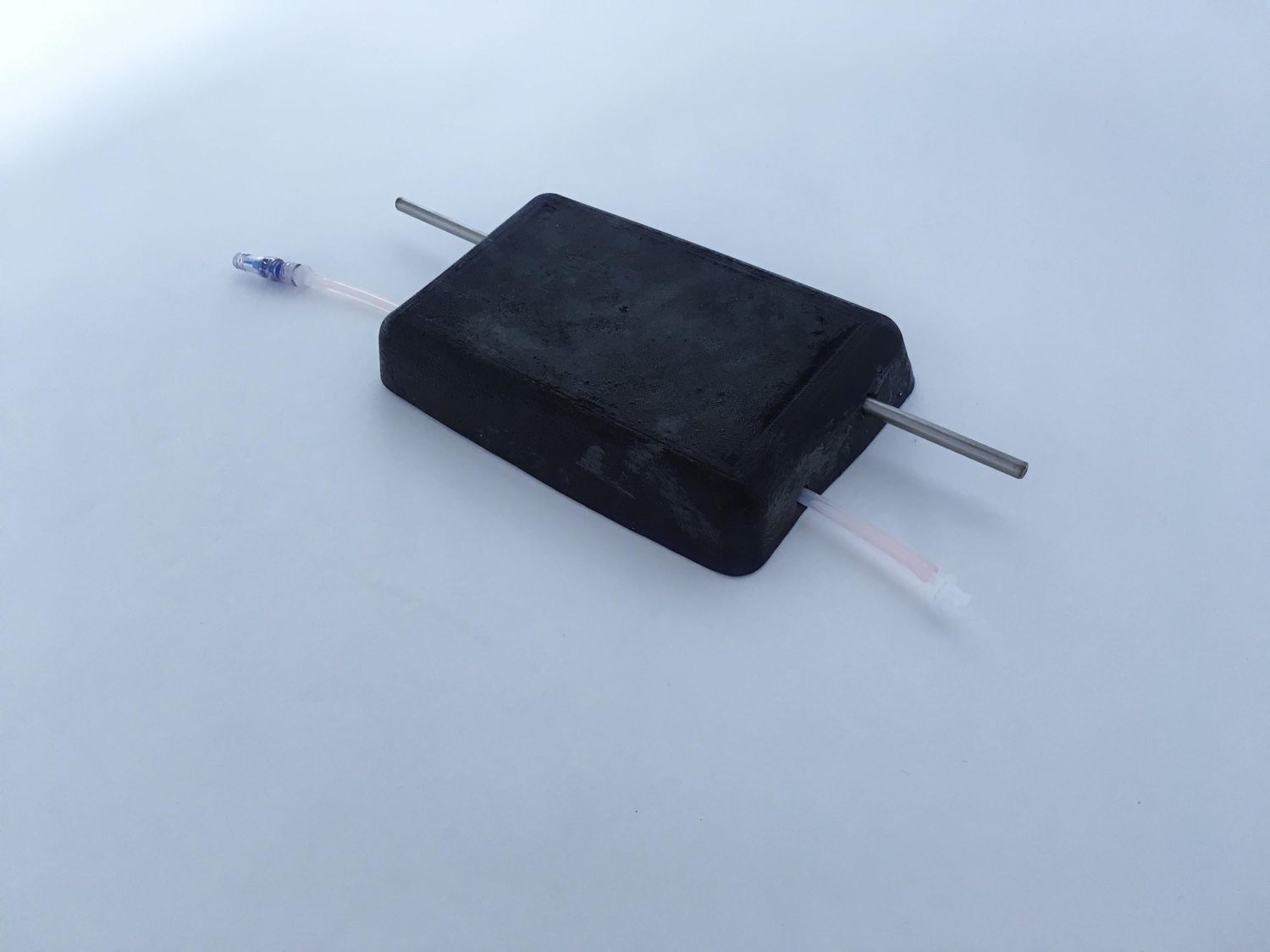
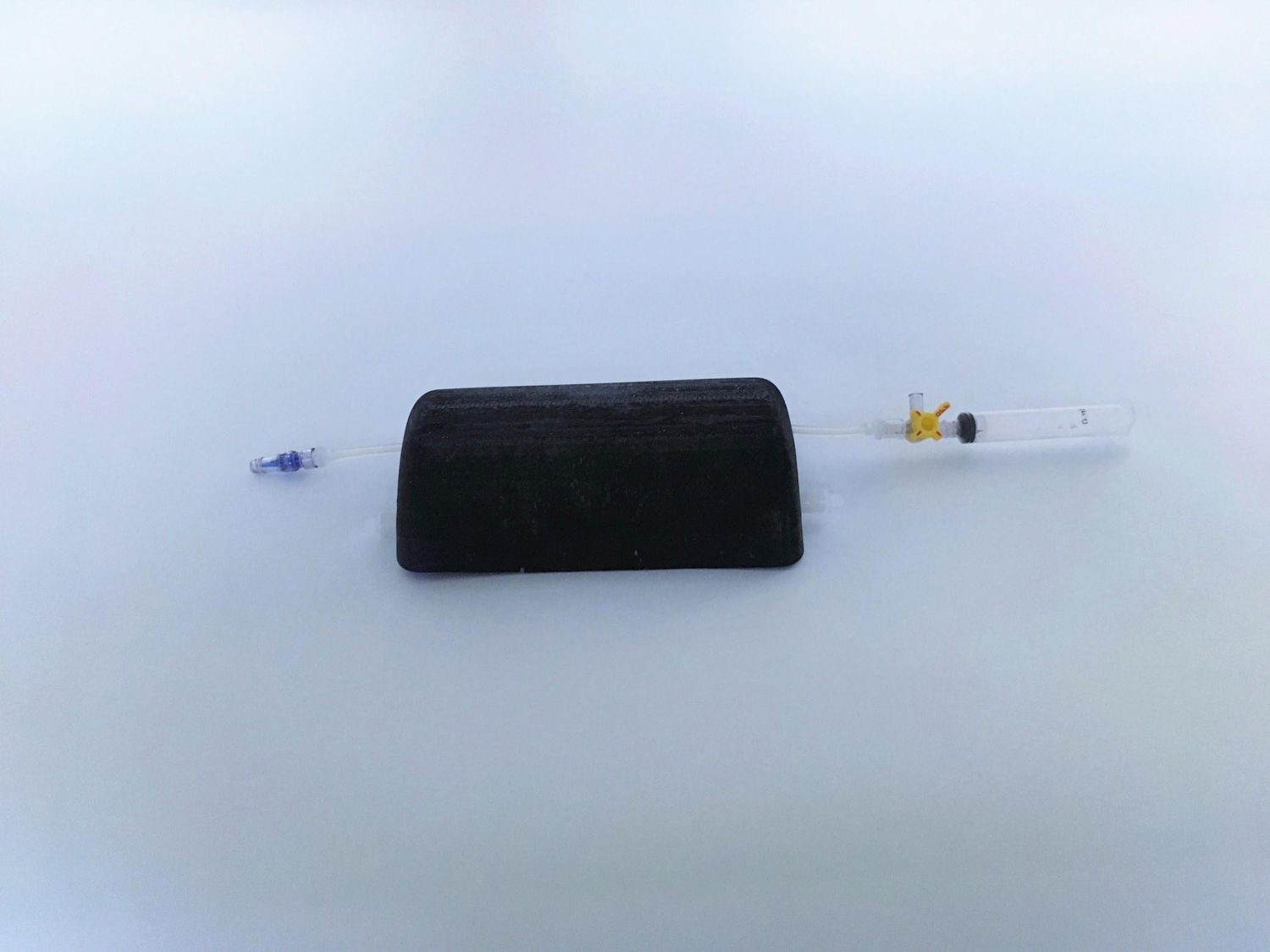
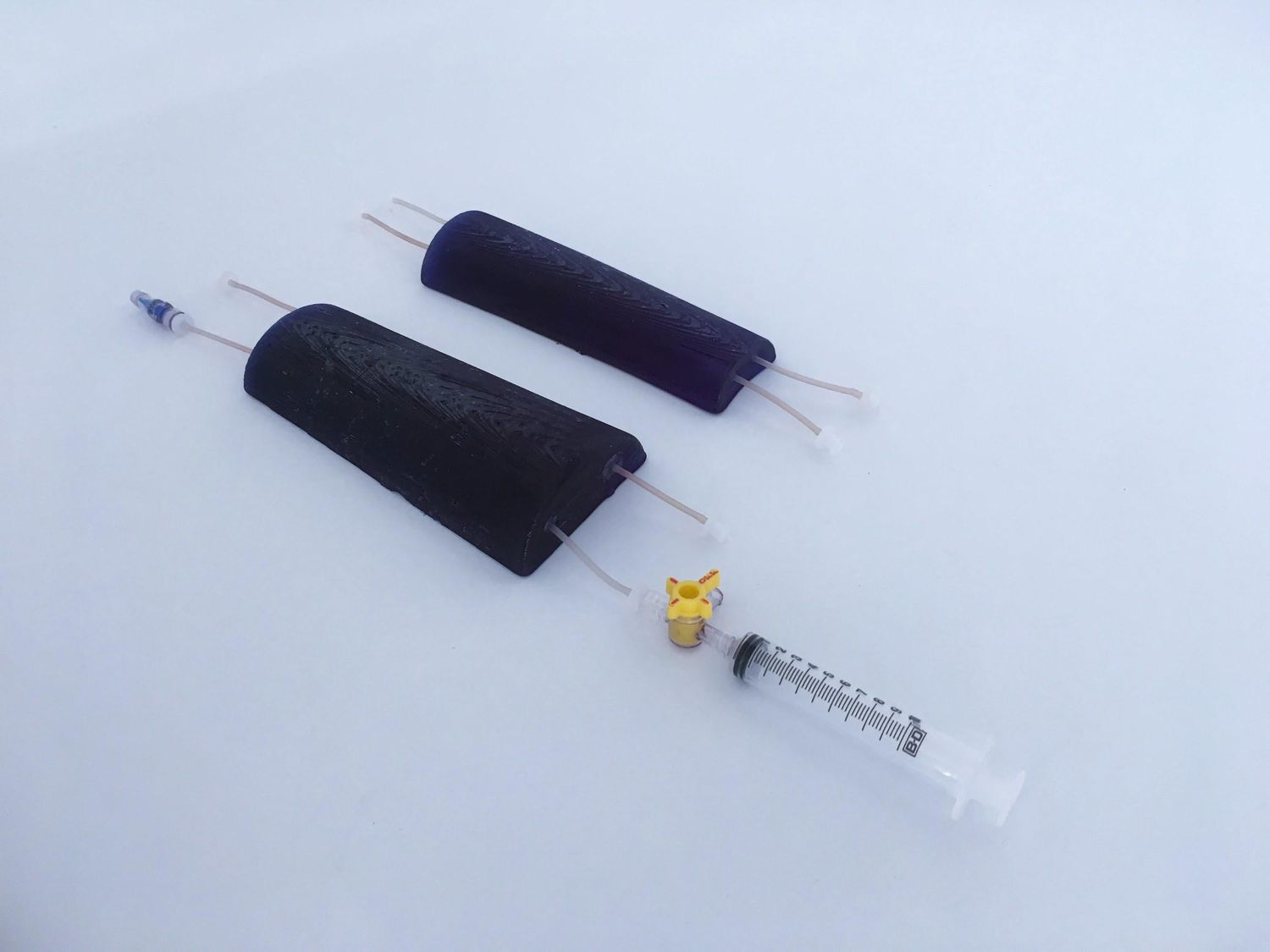
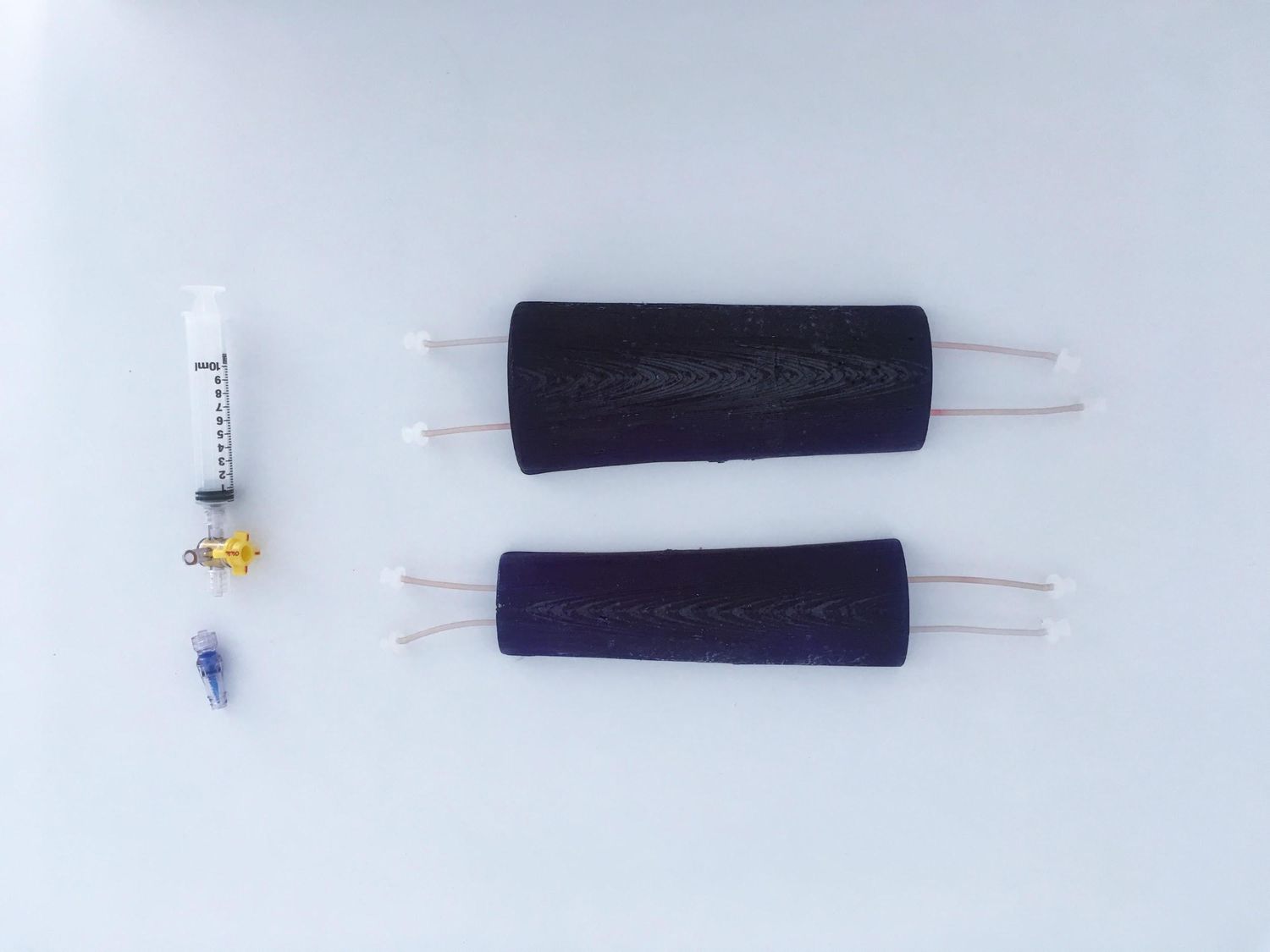
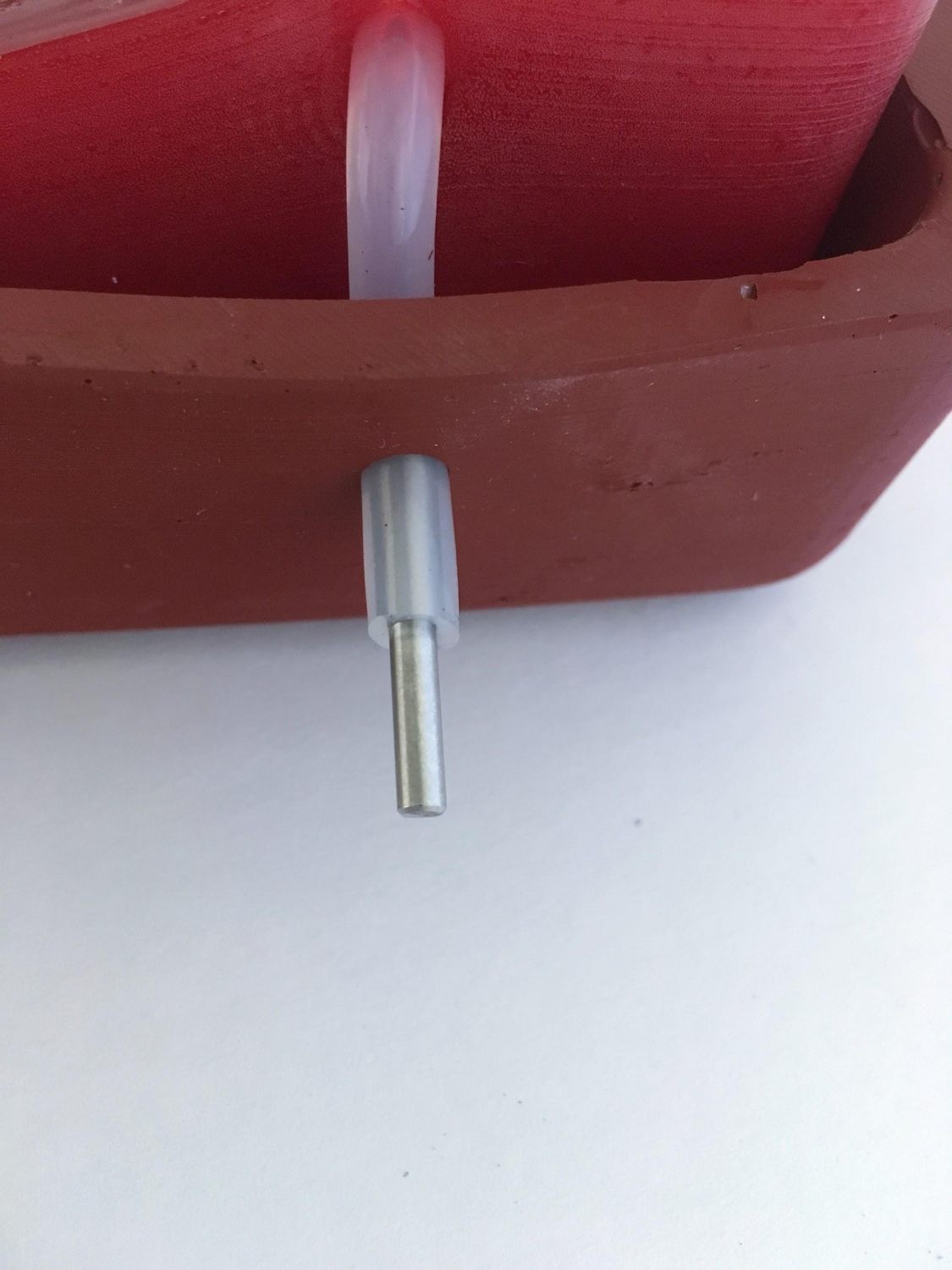
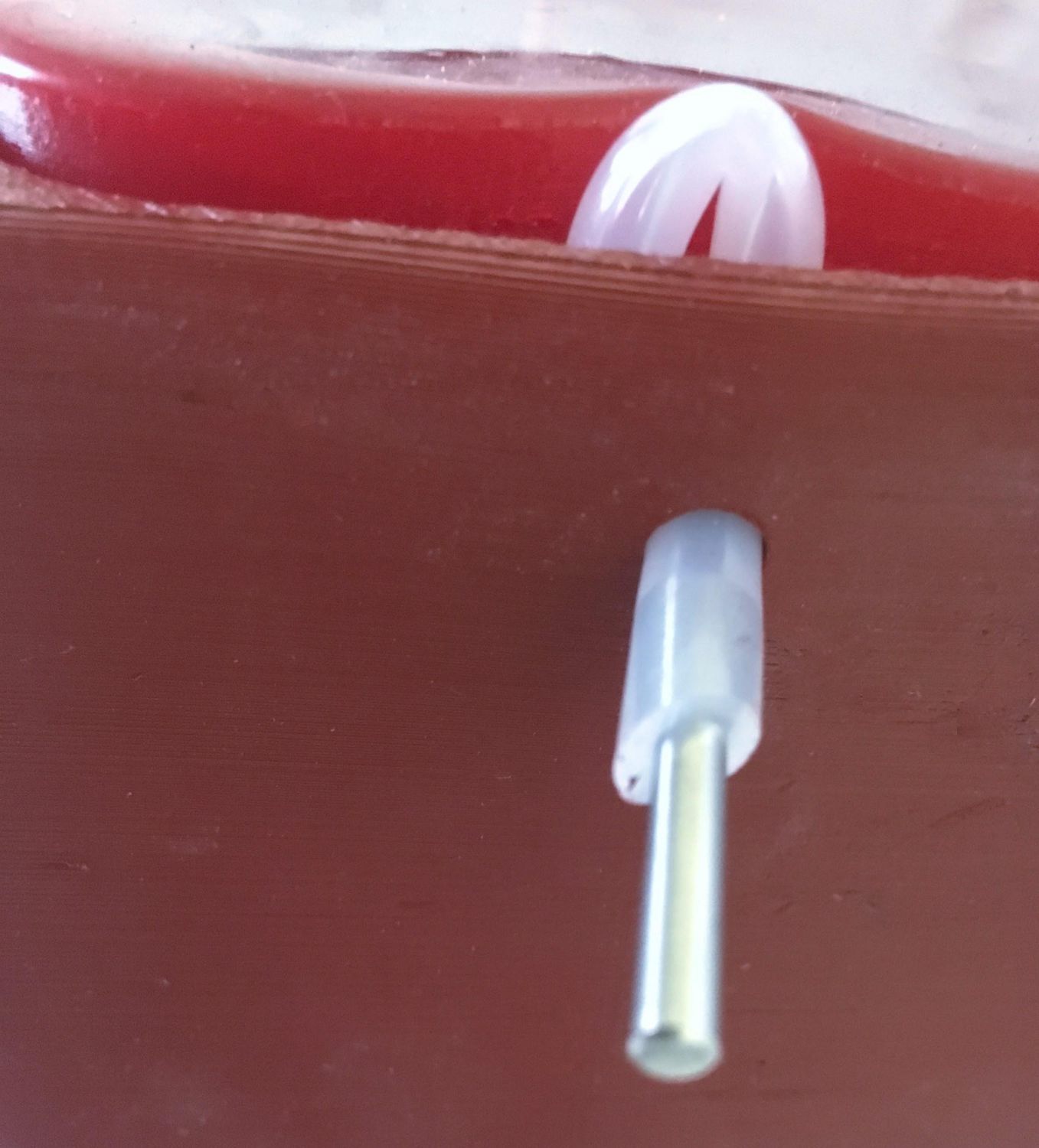
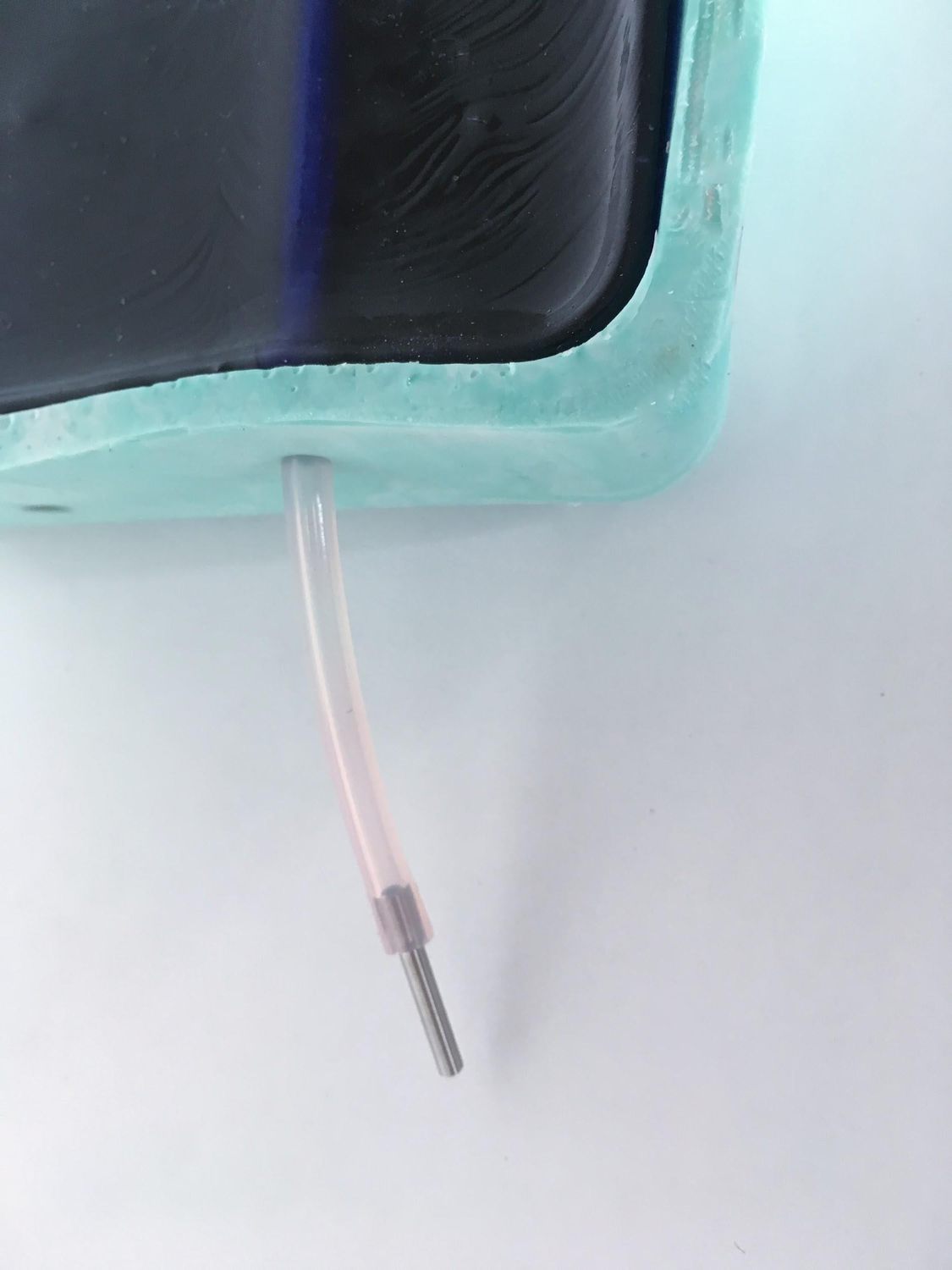
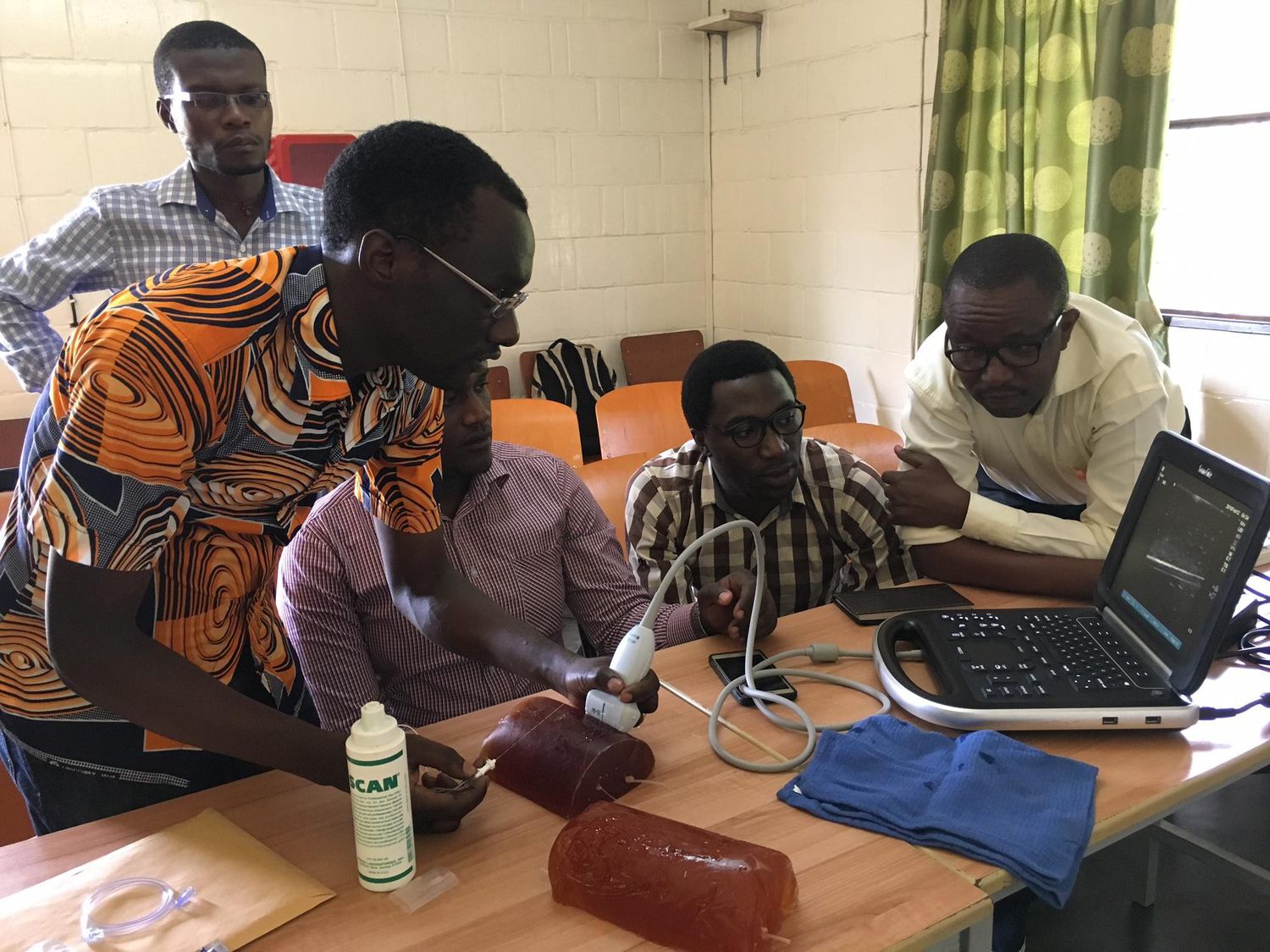
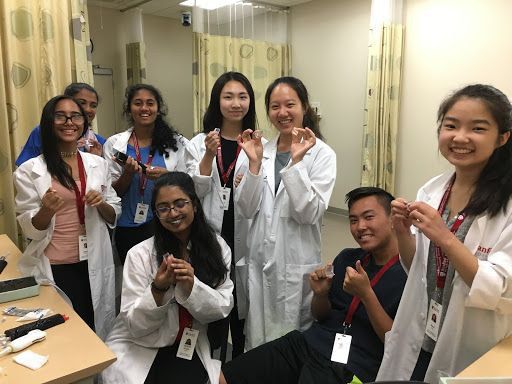
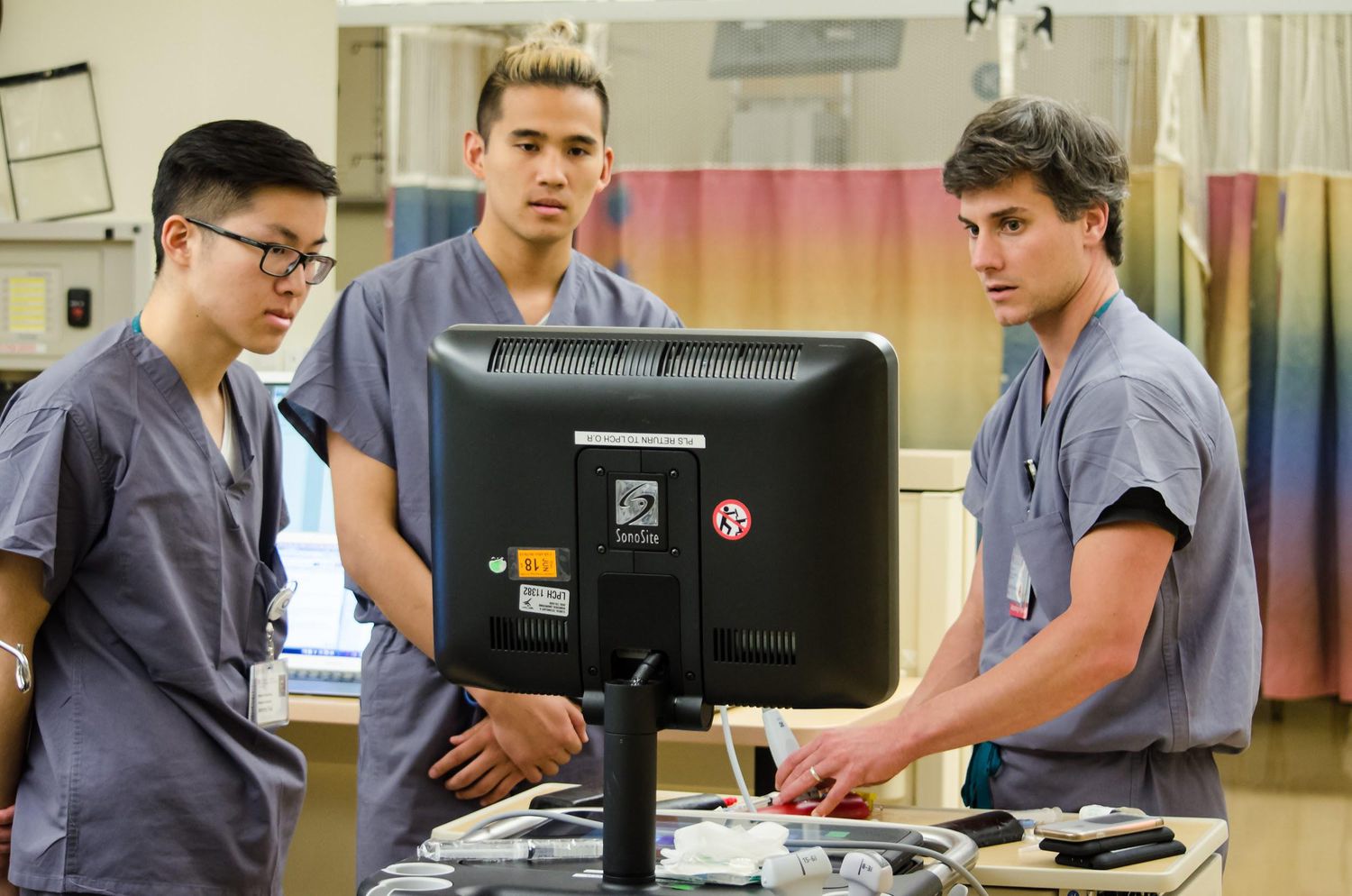
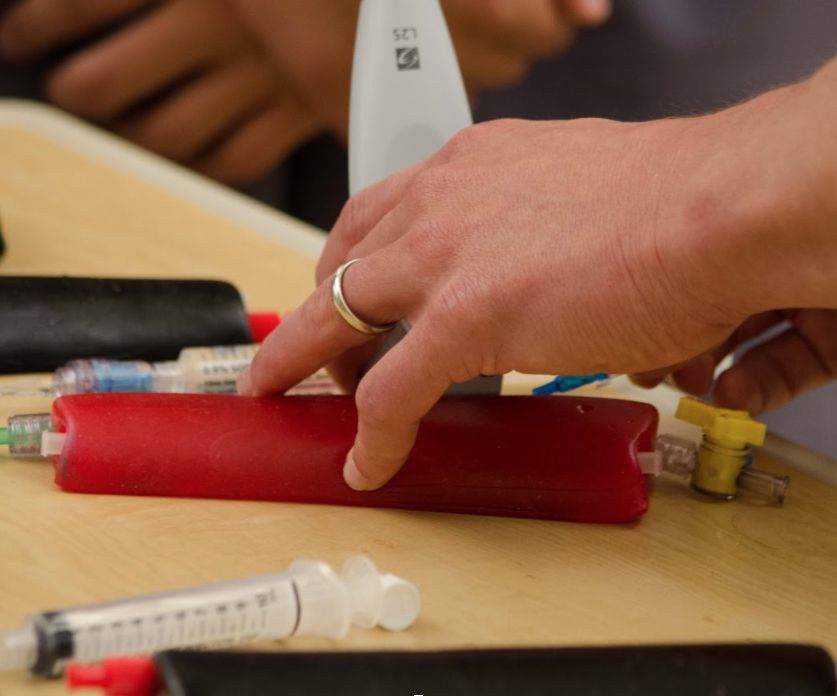
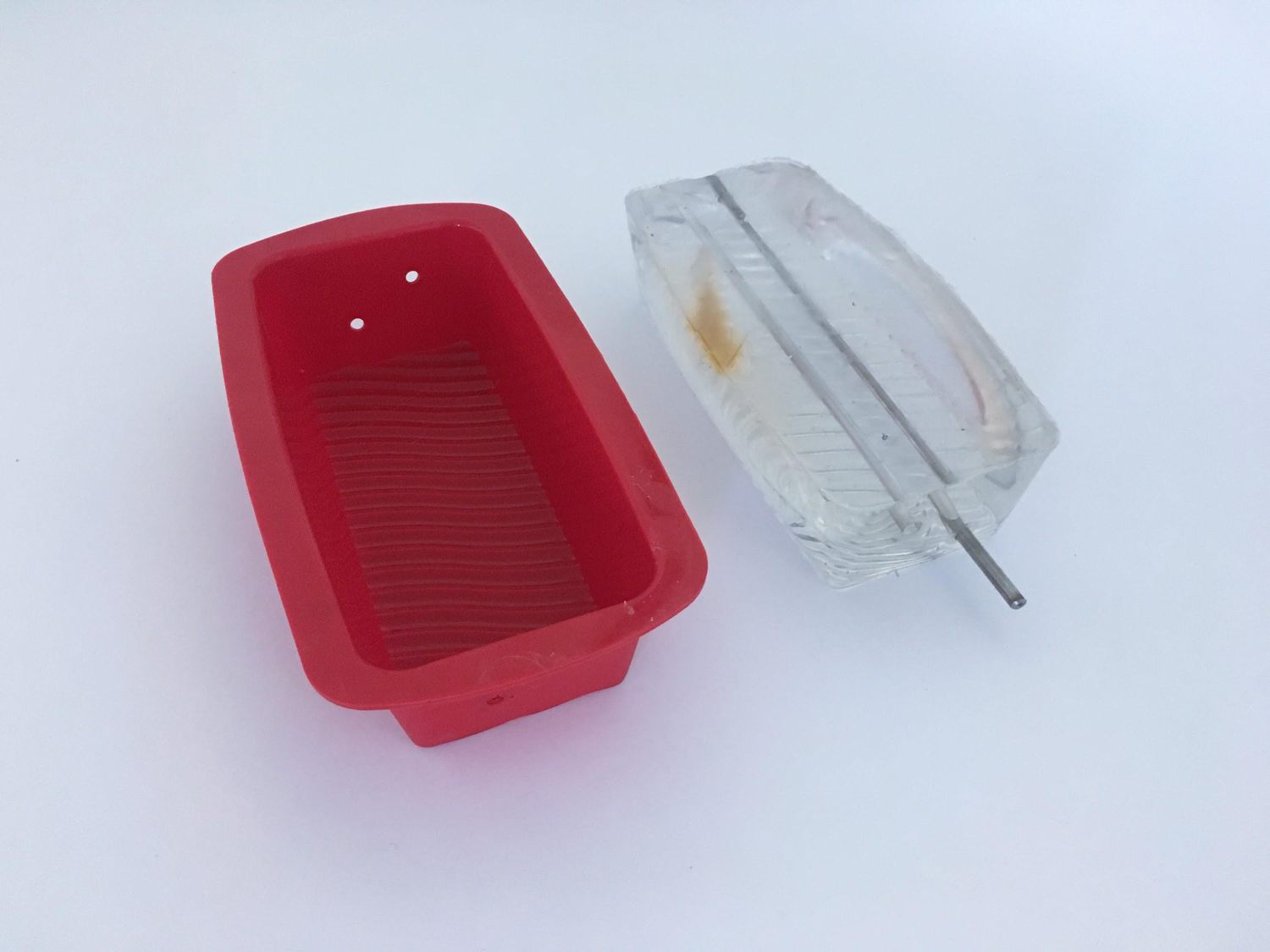
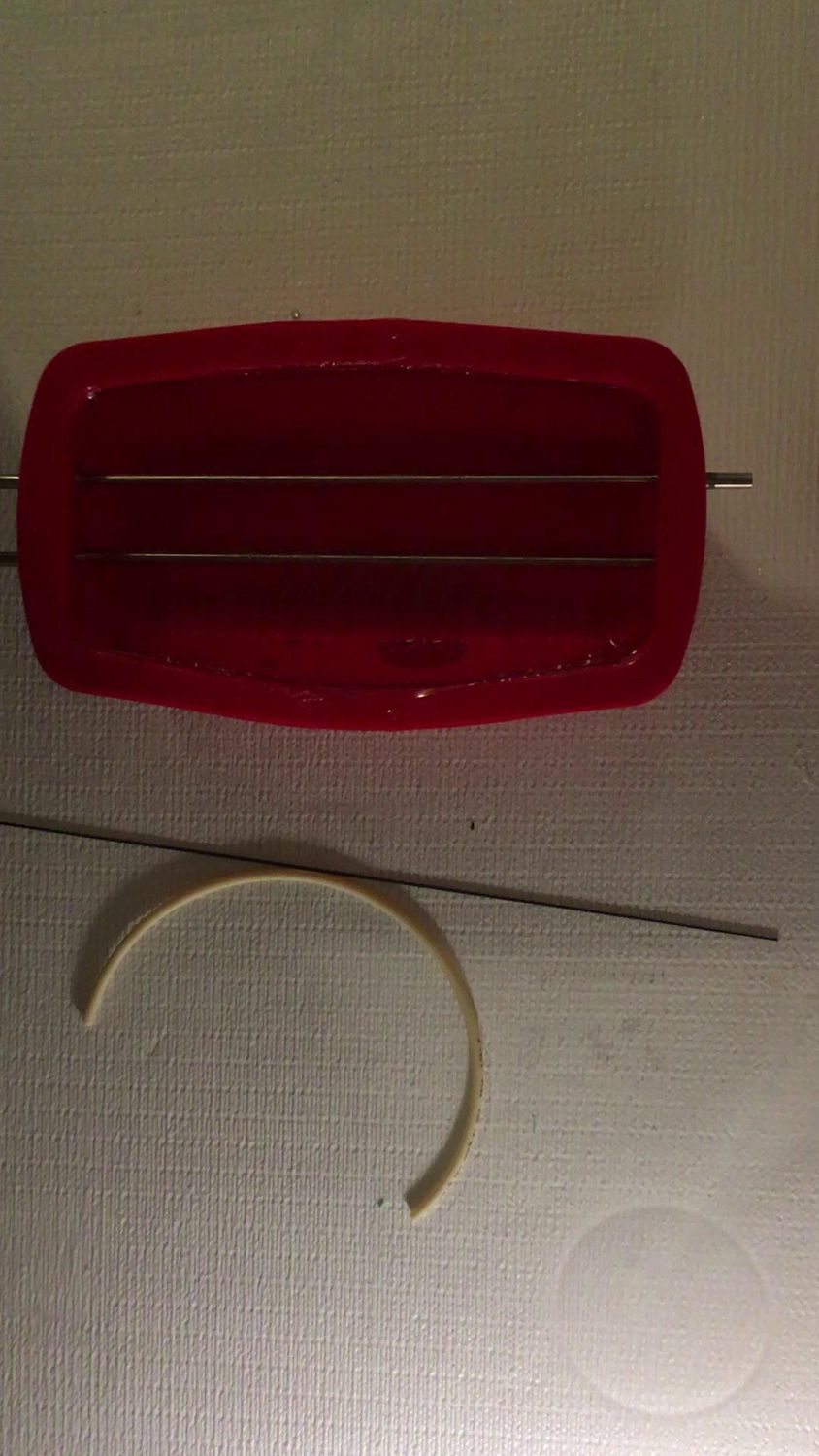
Successful venous access depends on sufficient practice, yet existing models are often expensive or inadequate. Commercial limb phantoms typically range from a several hundred to a few thousand US dollars in cost, while other homemade ones comprising of synthetic or natural gelatin do not match clinically relevant anatomical structures and often consist of a basic rectangular external profile. Most homemade and commercial models fail to accurately reflect smaller pediatric vasculature, which is inherently more challenging and requires extensive practice.
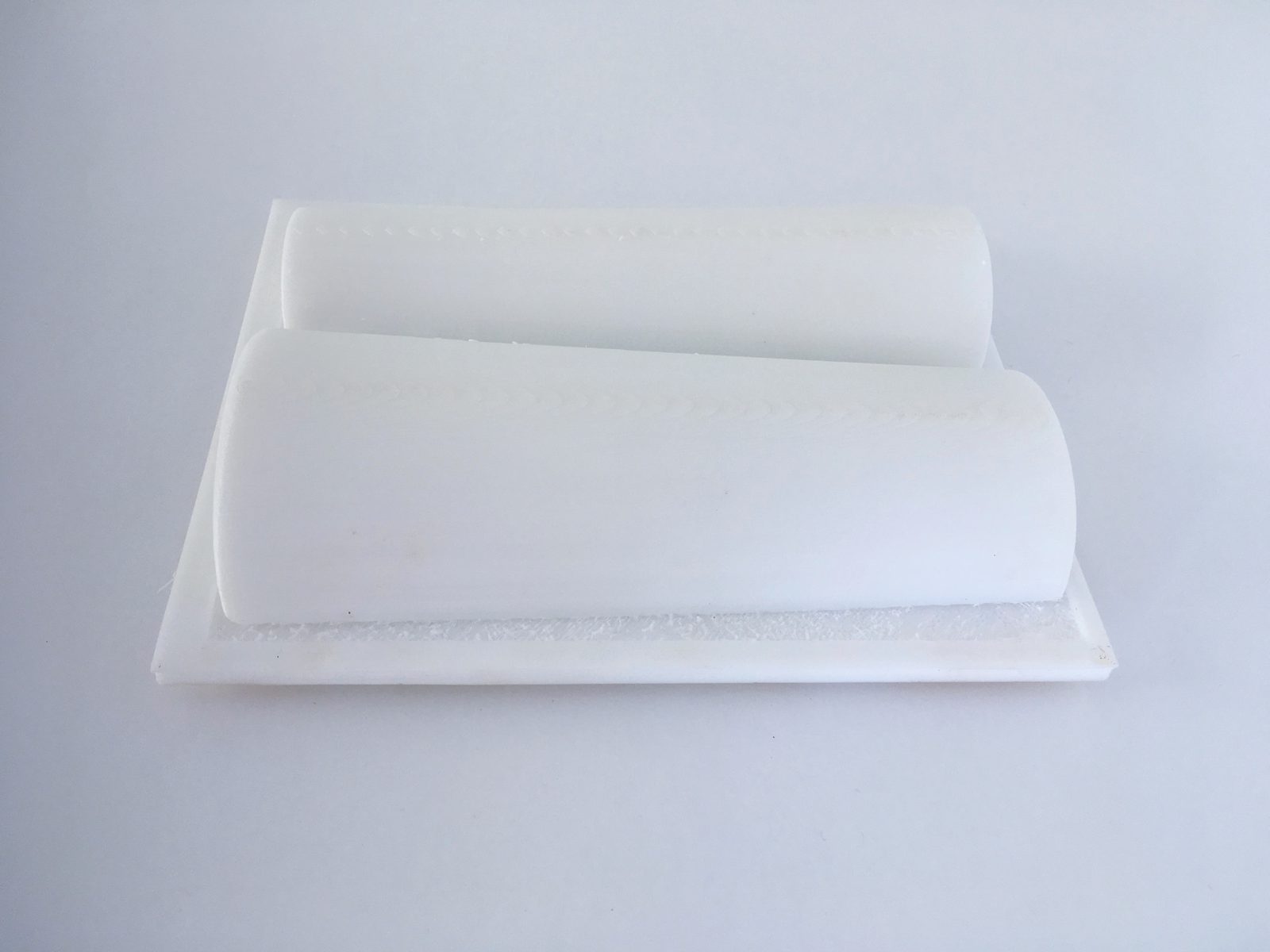
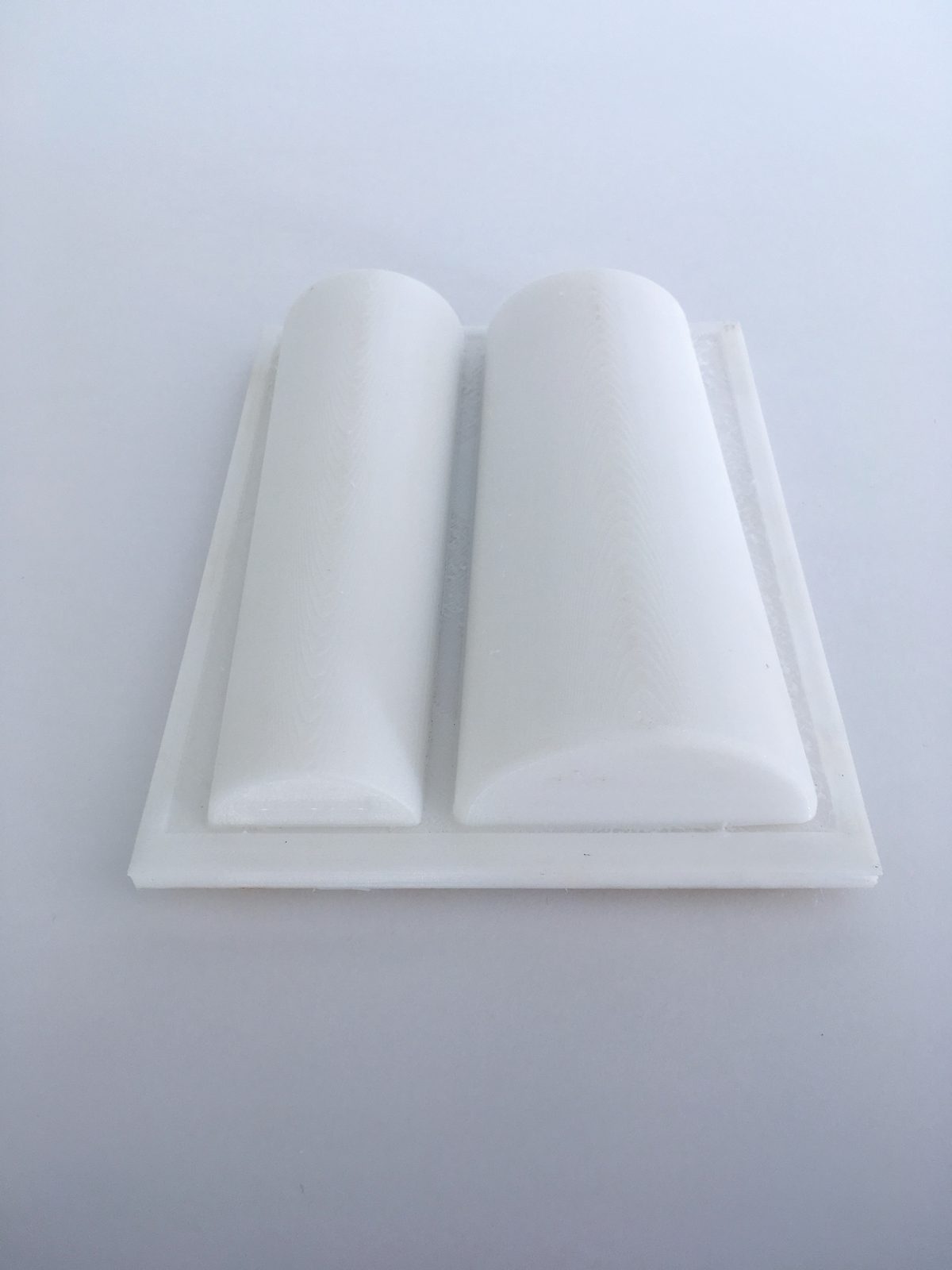
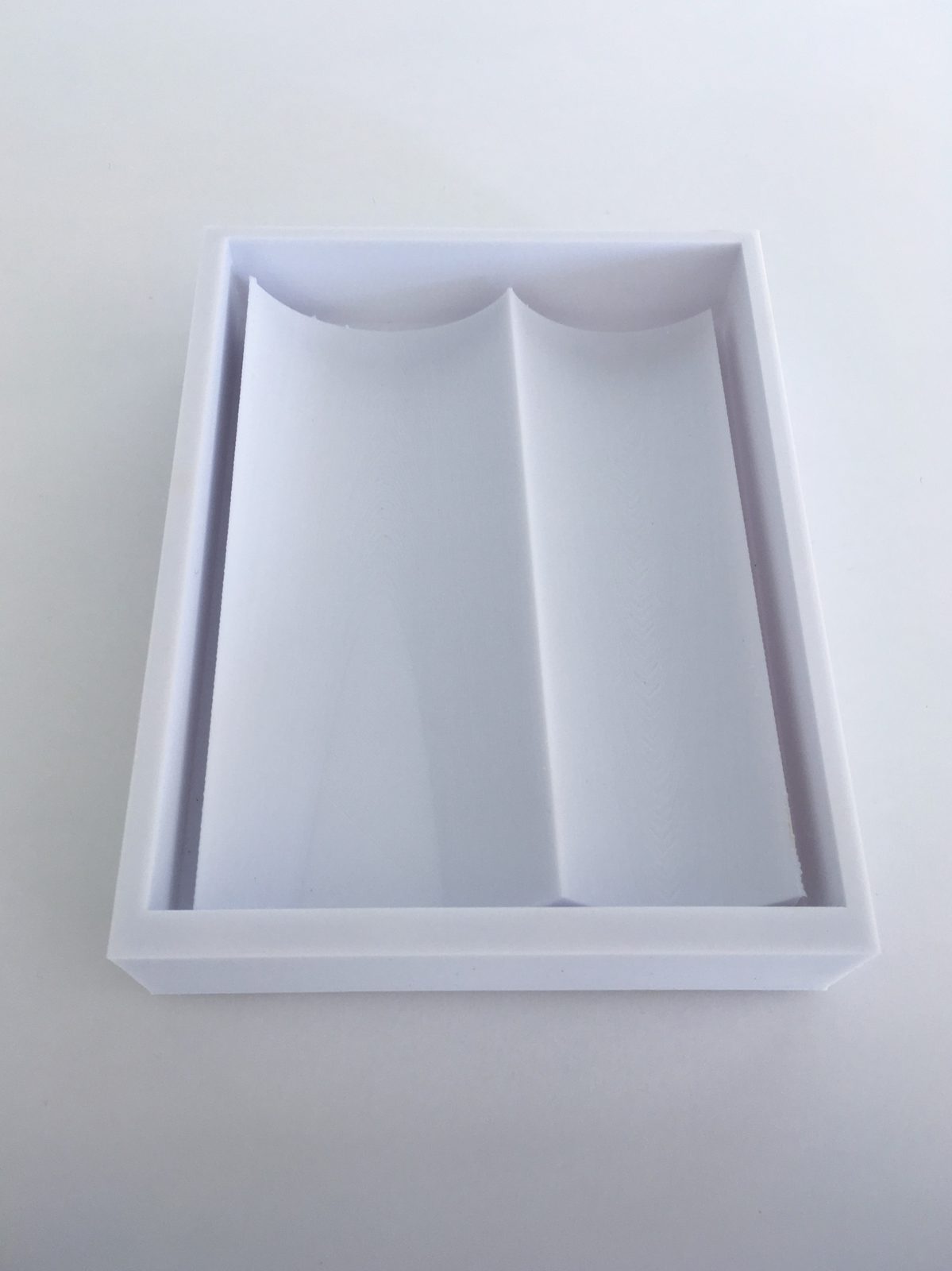
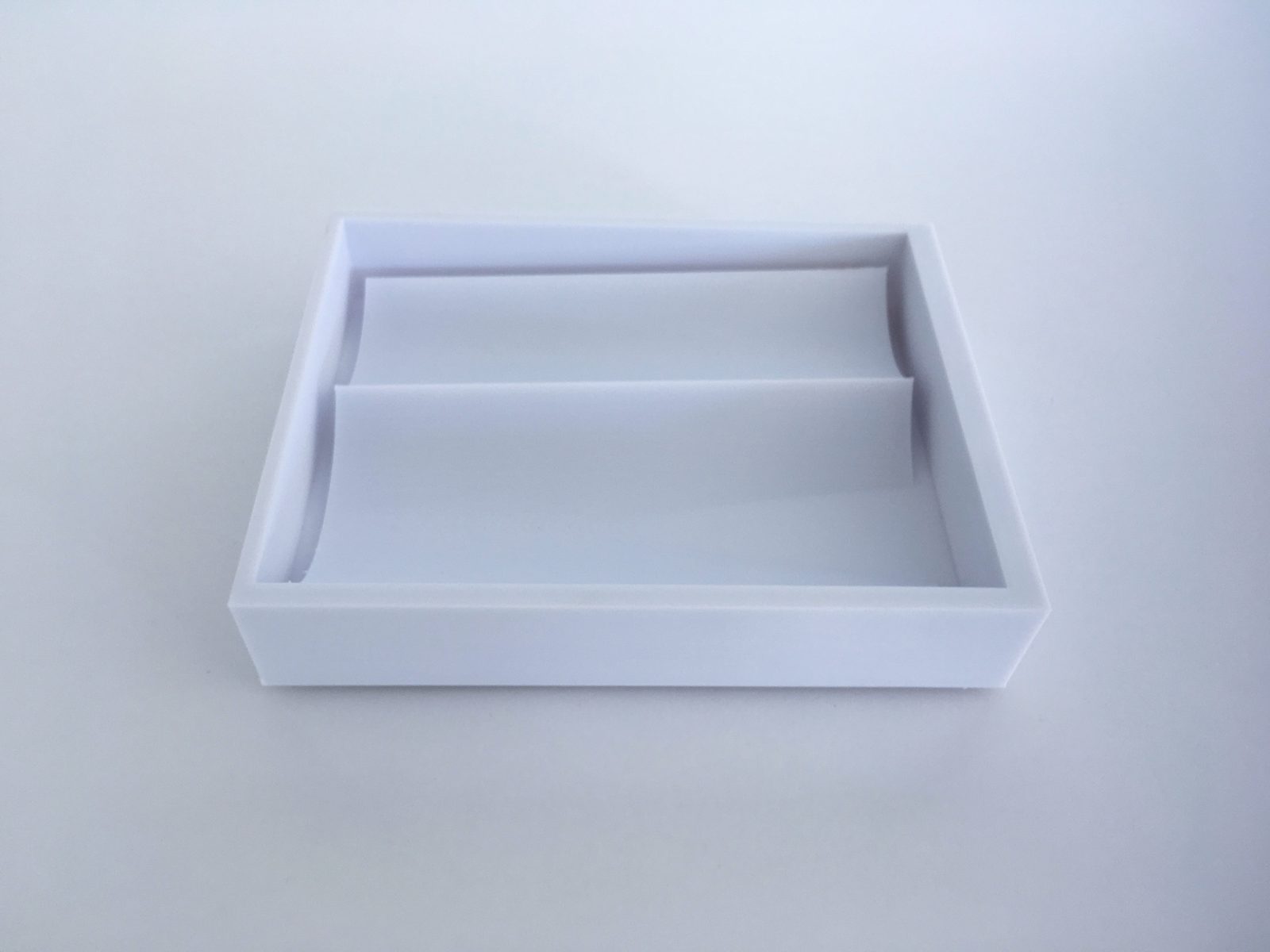
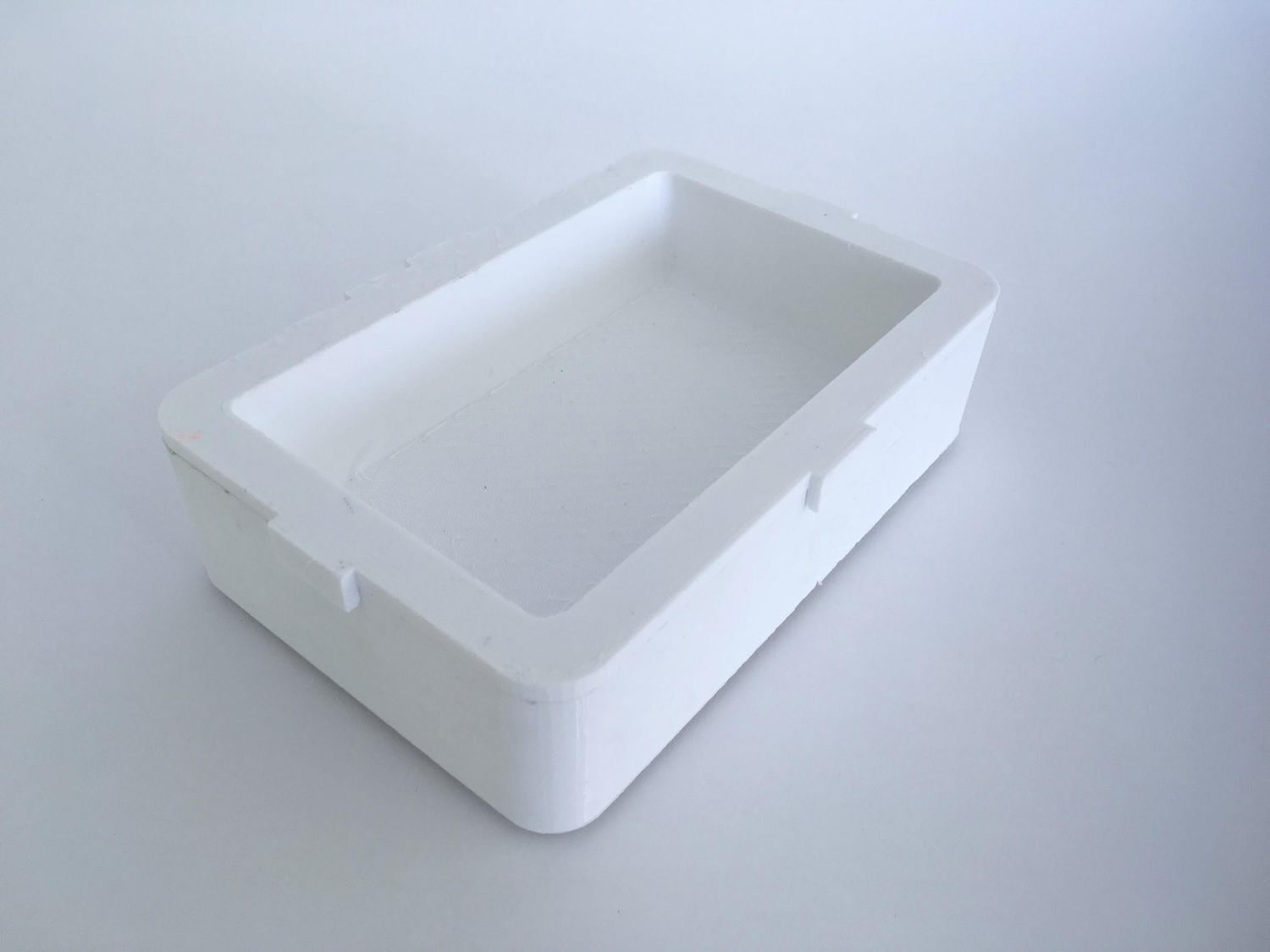
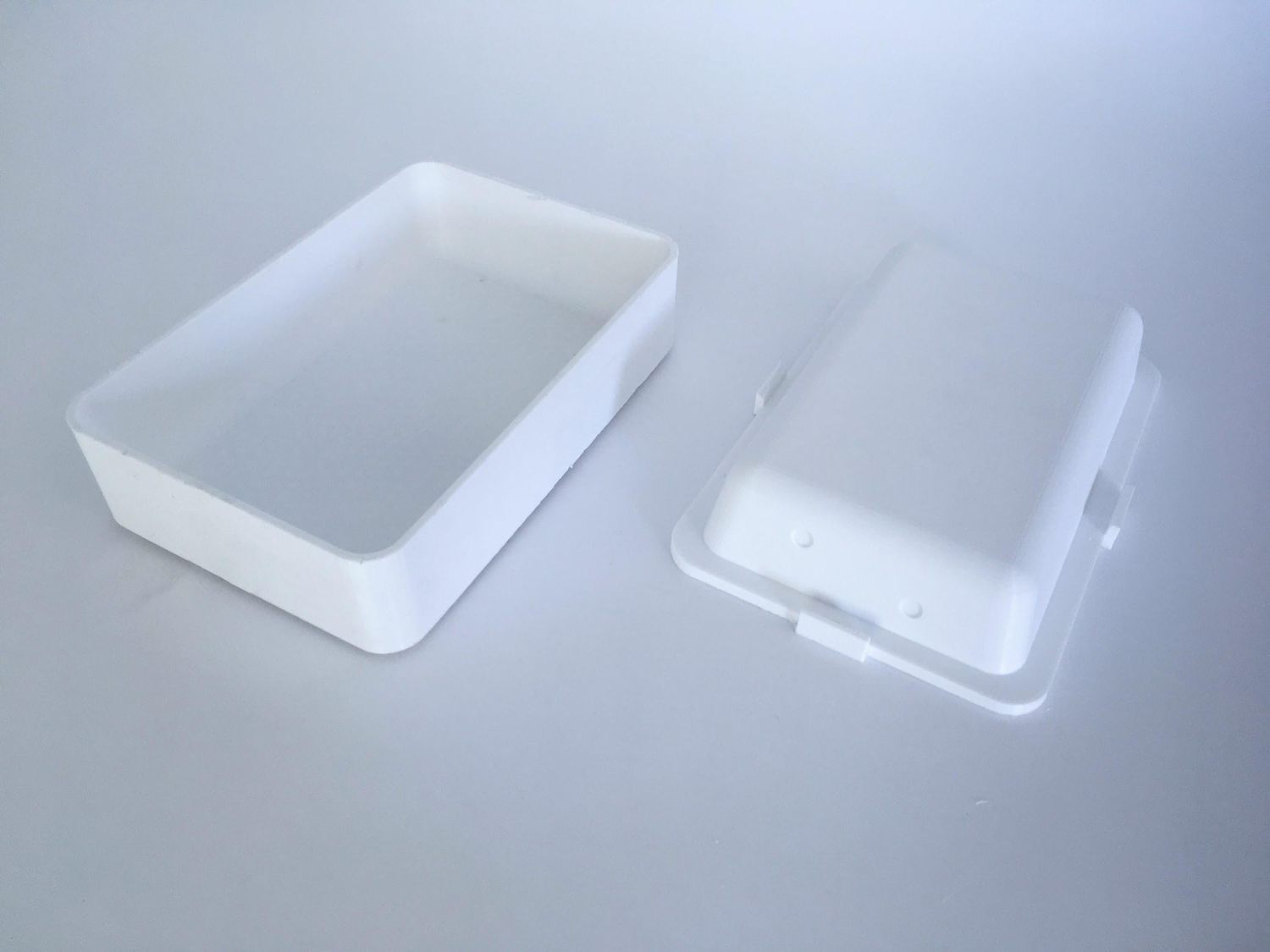
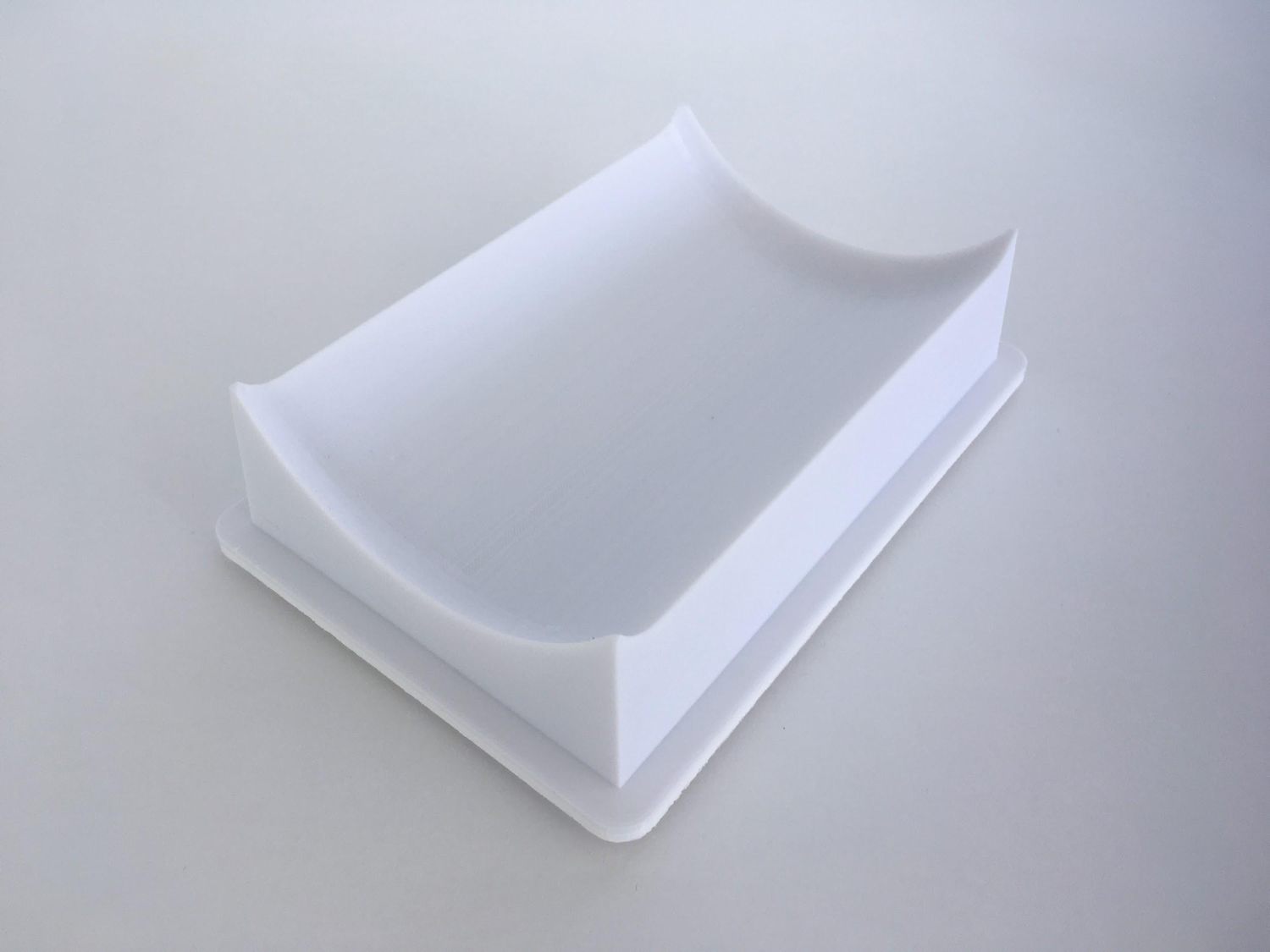
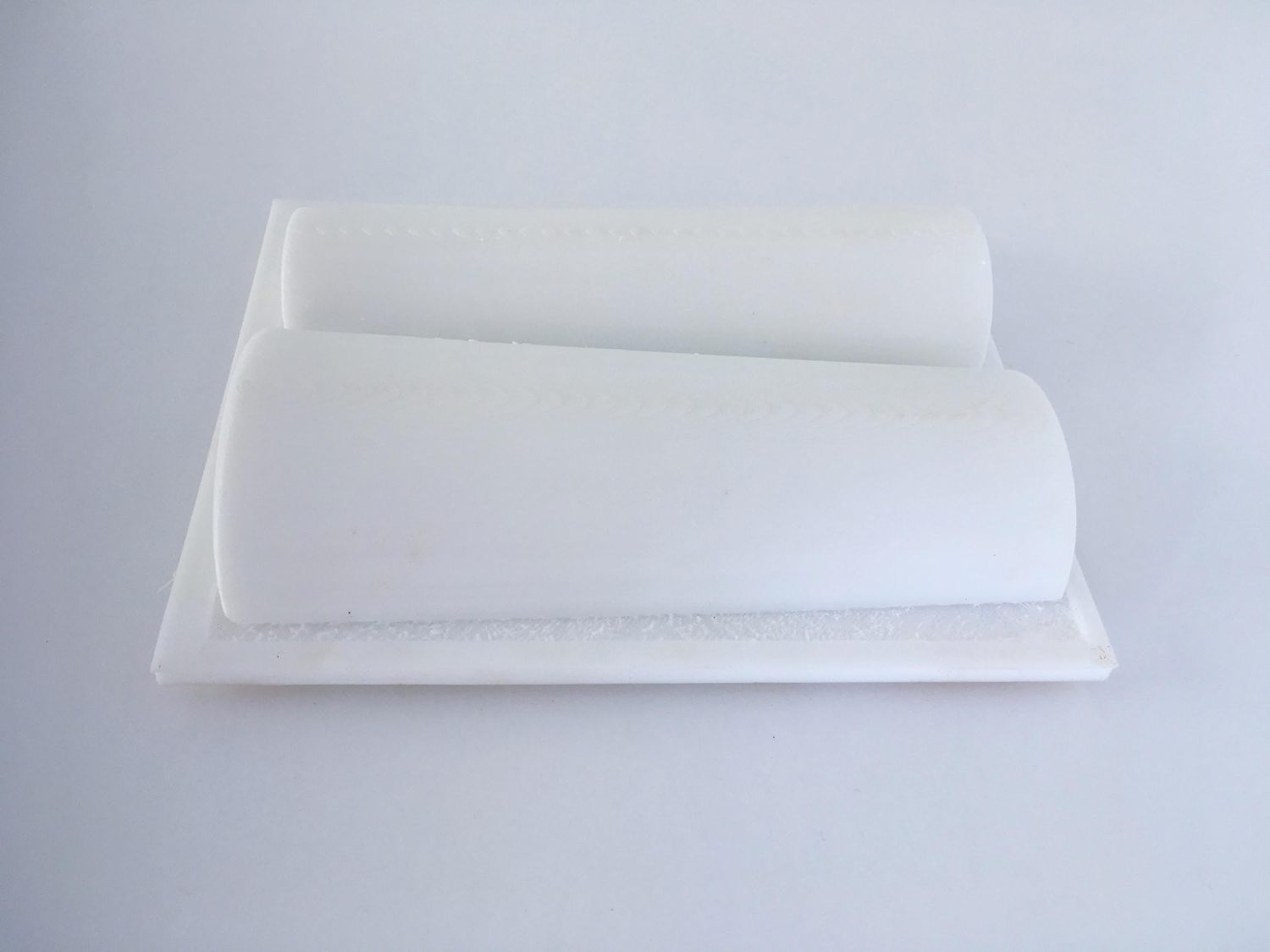
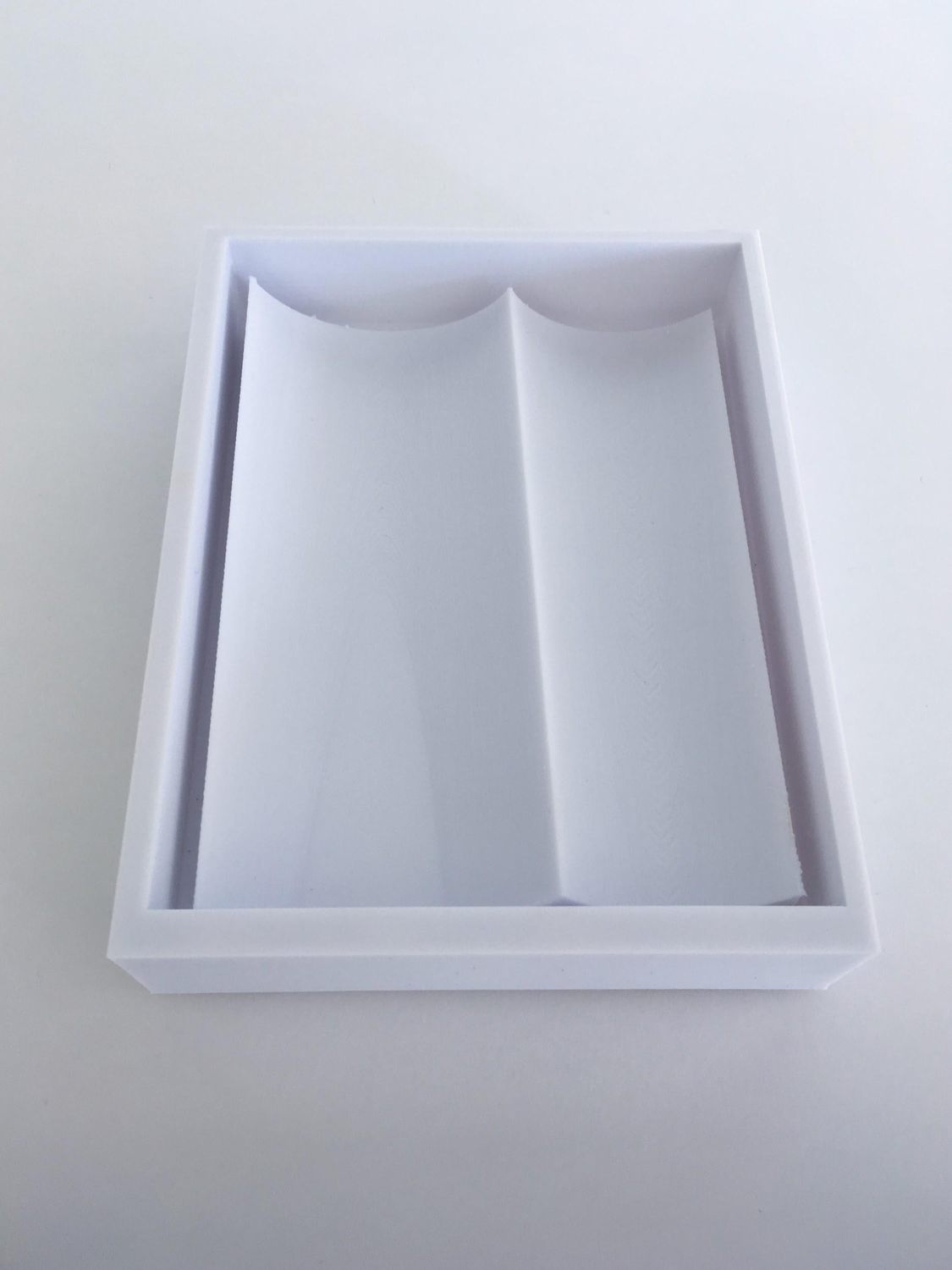
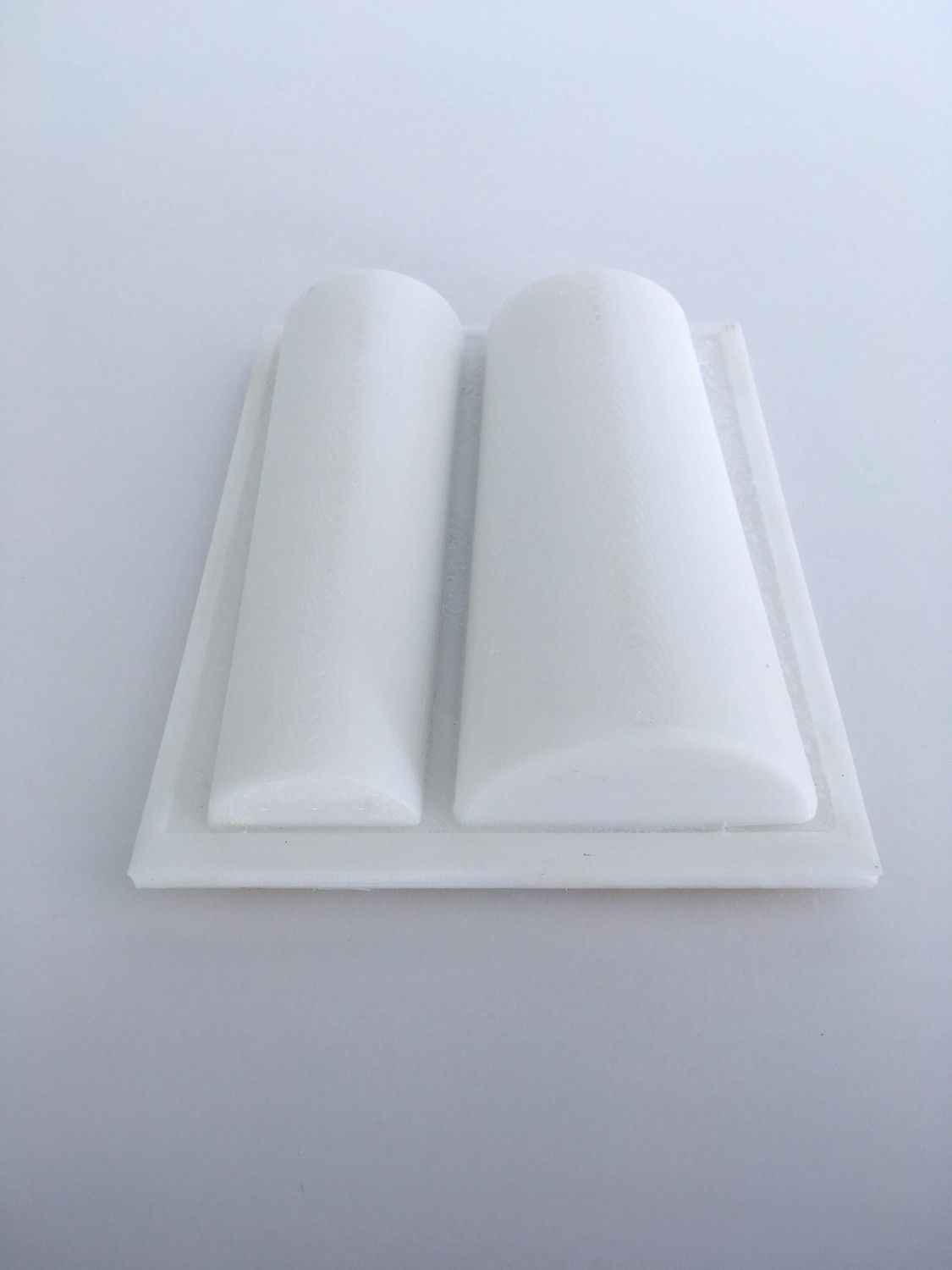
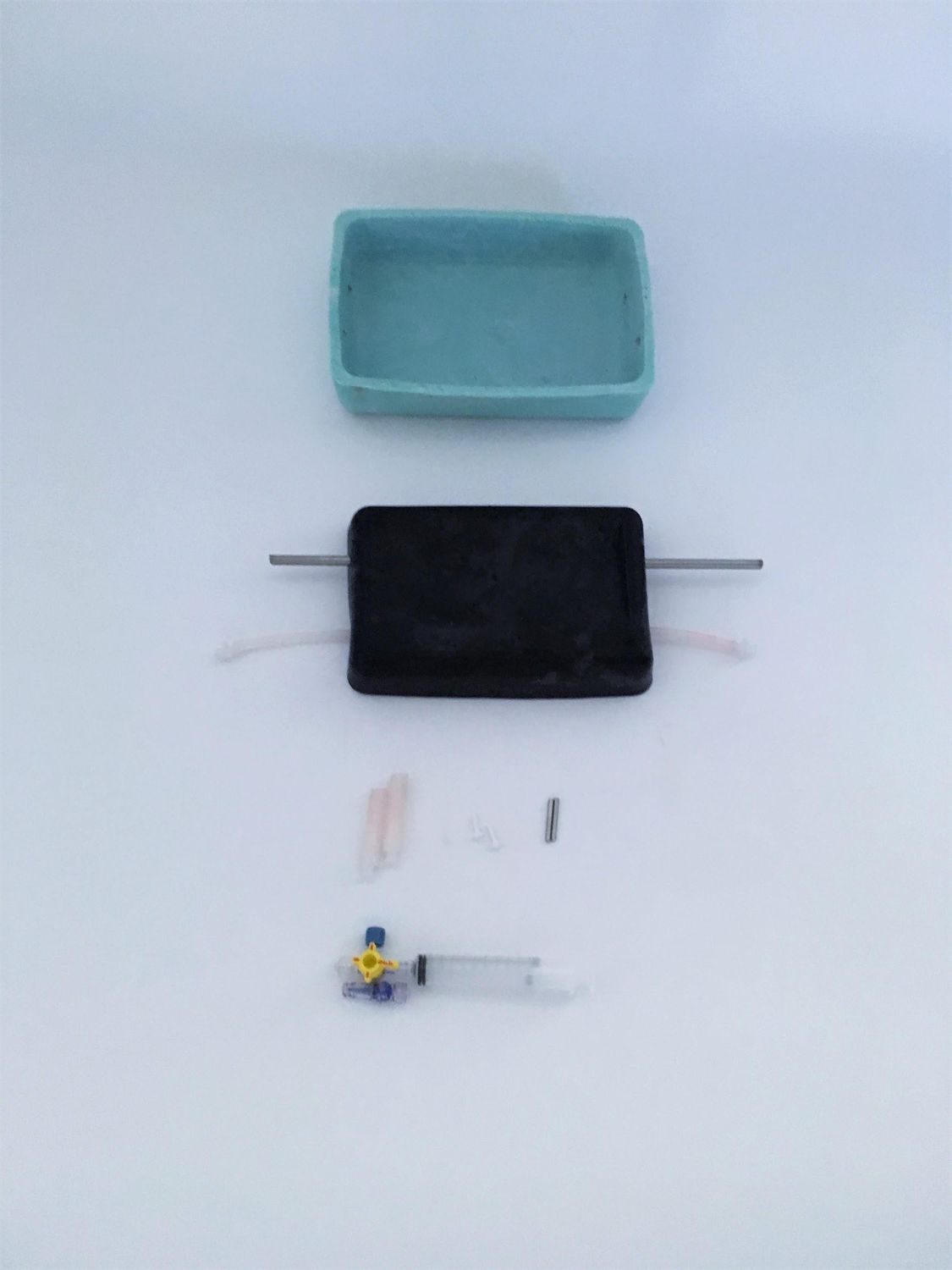
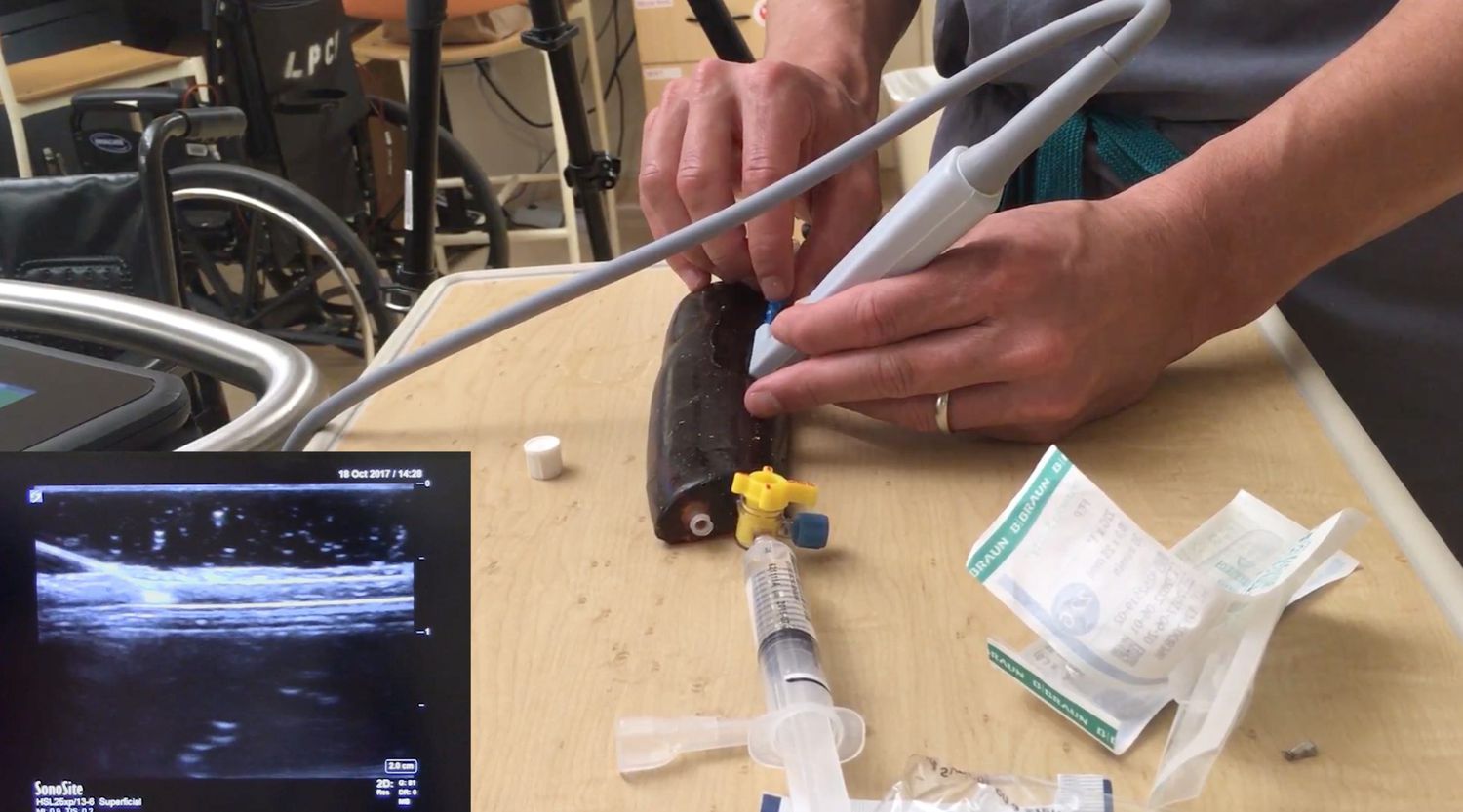
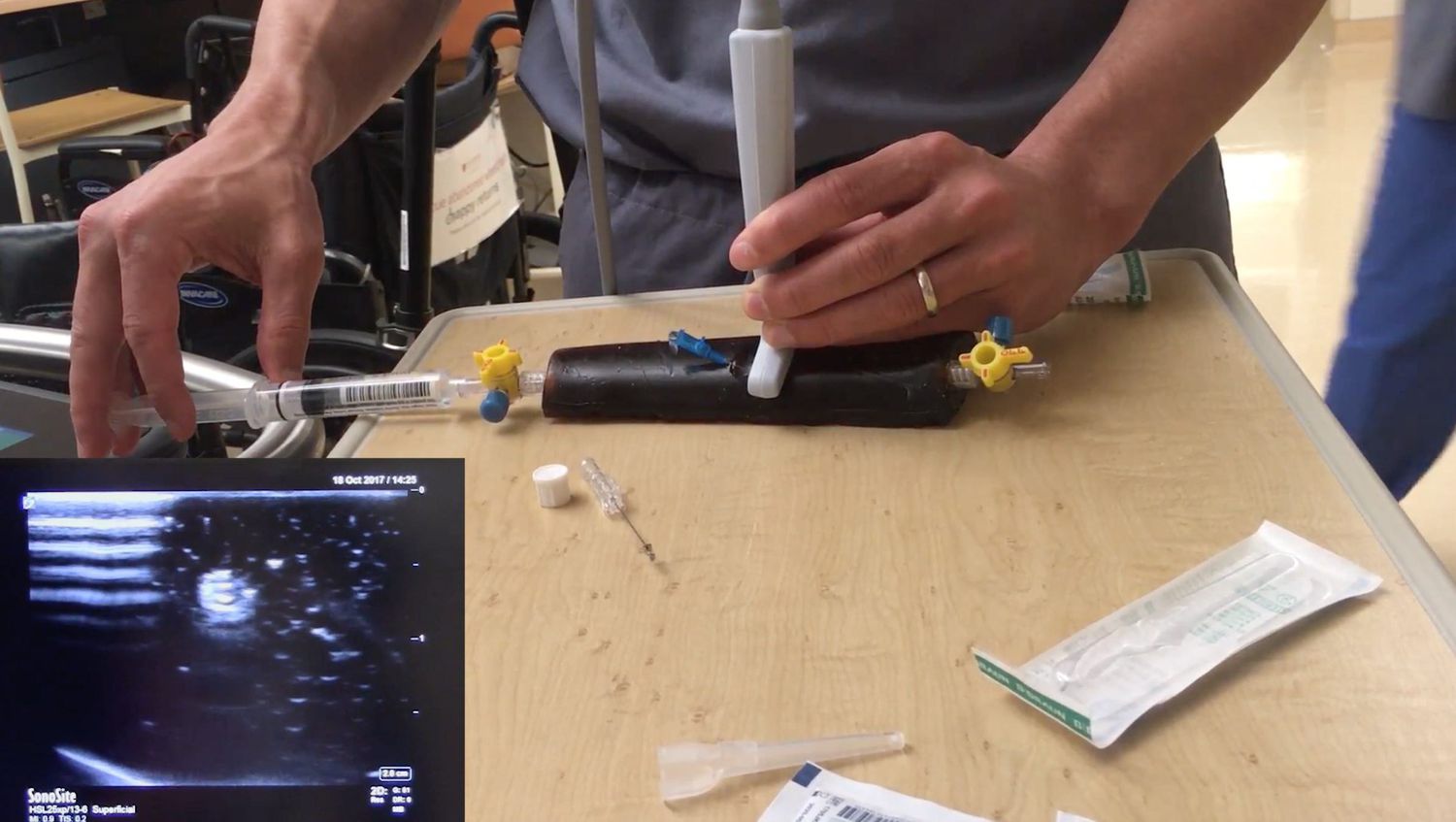
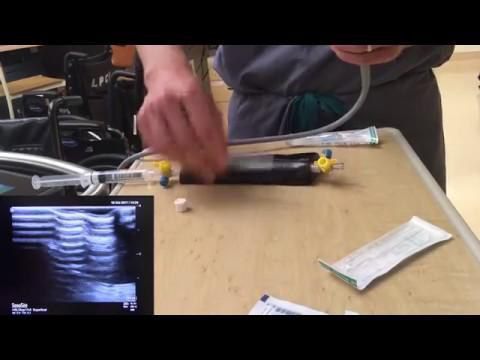
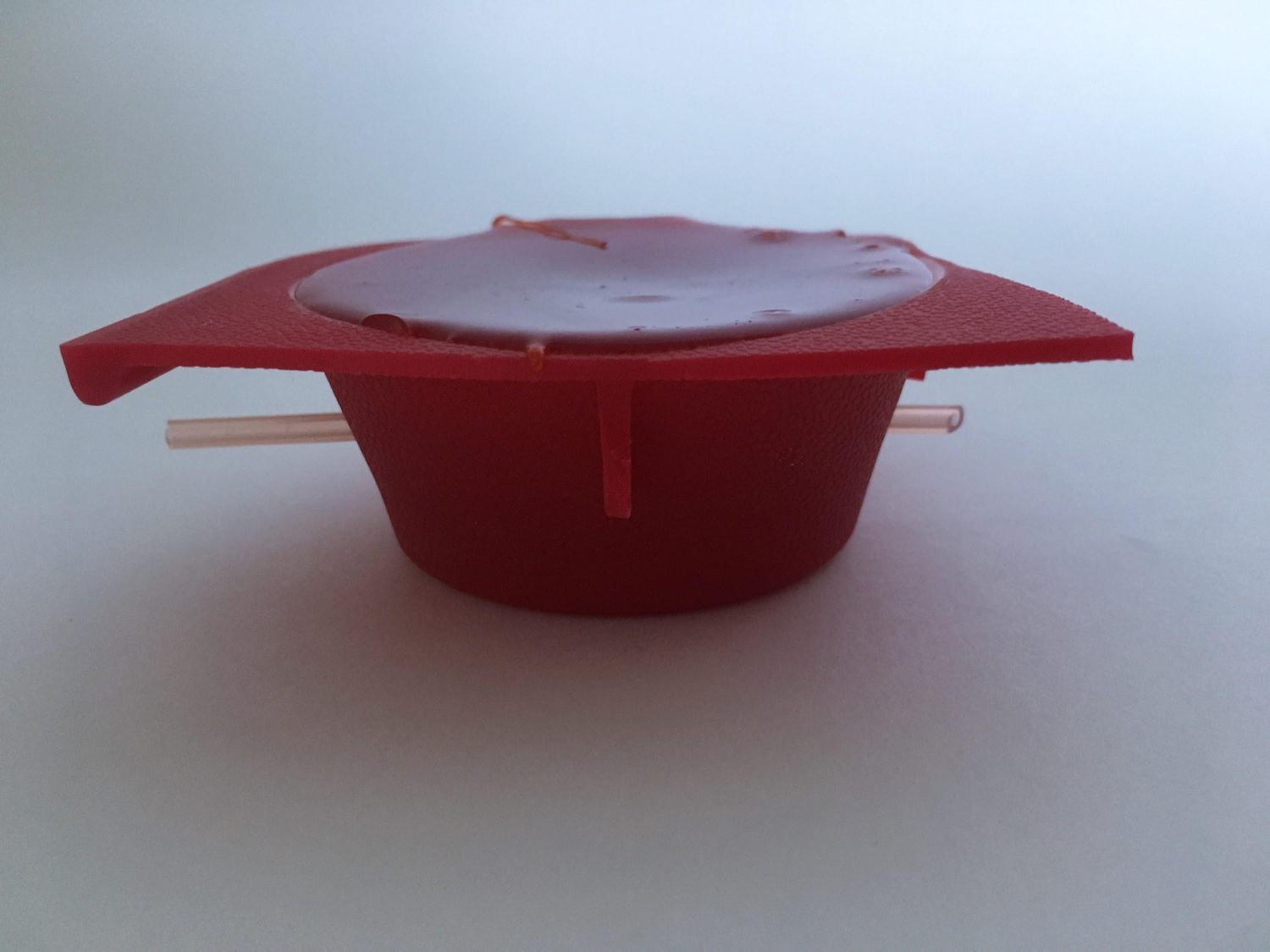
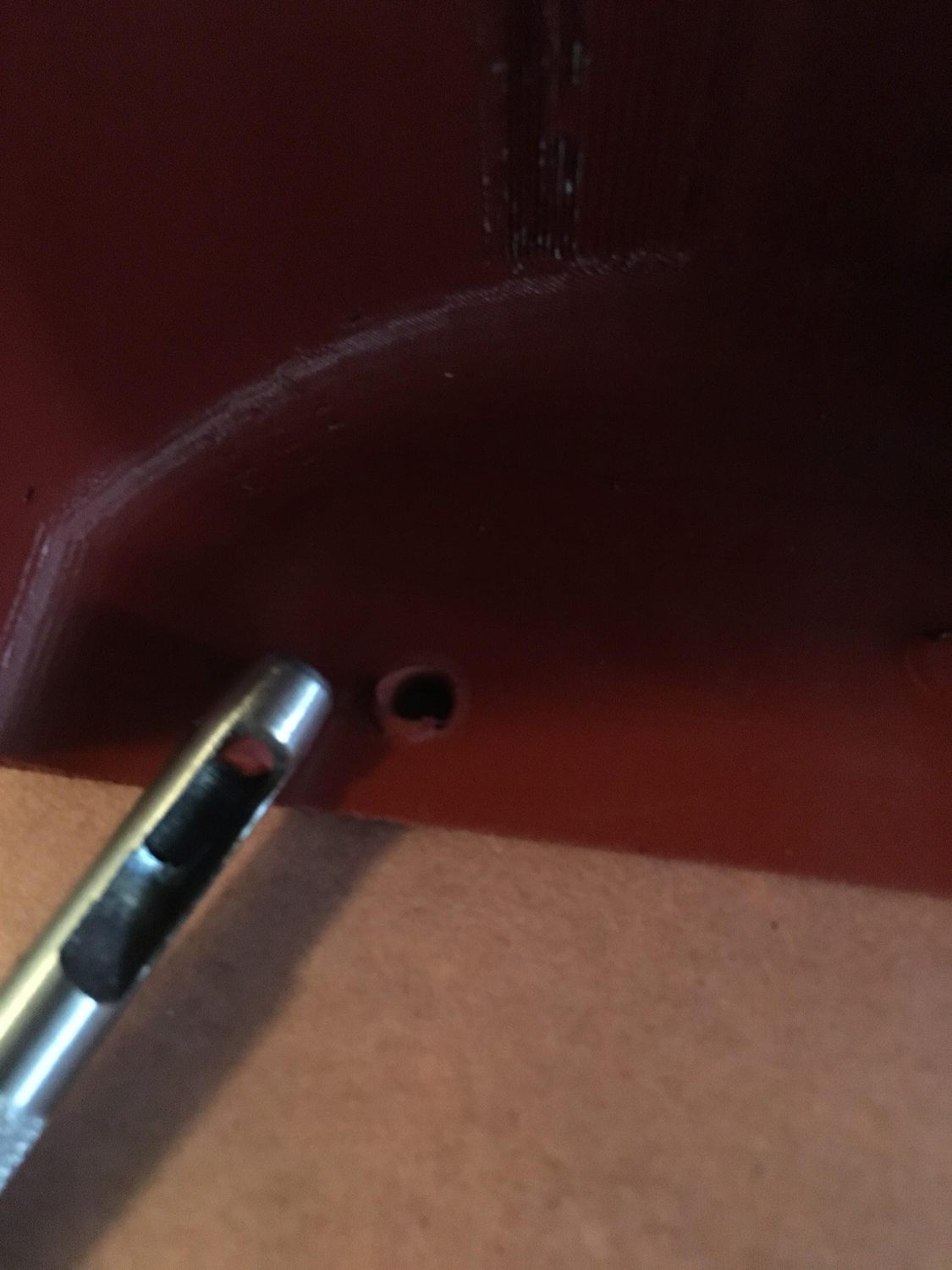
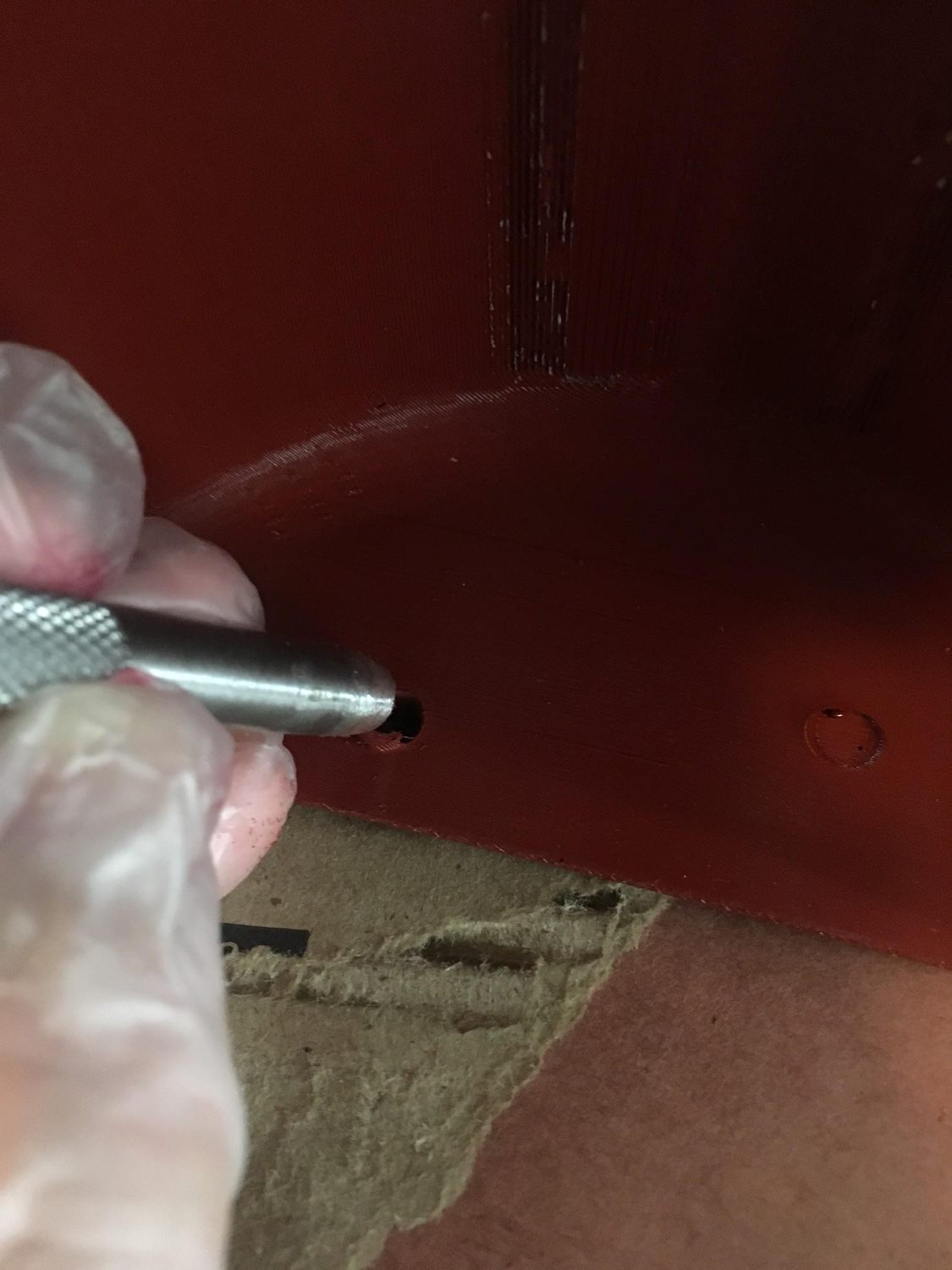
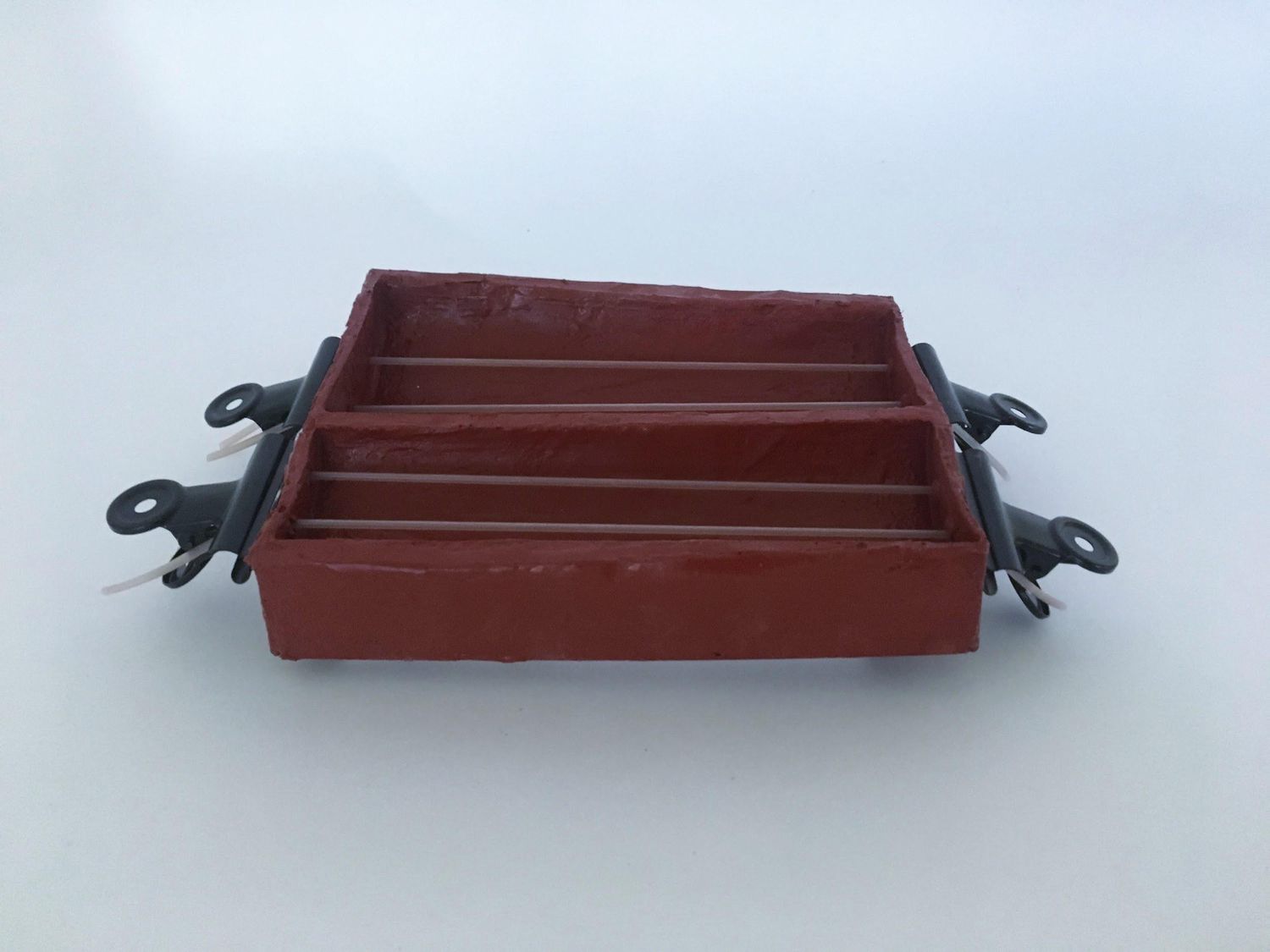
At Chariot, I continued development of an affordable, reusable, physiologically-relevant pediatric phantom with tissue-comparable ultrasonic properties that can be easily fabricated with a 3D-printed mold. These high-fidelity models enable effective venous access practice, ultimately improving placement success rates and reducing patient discomfort.
These phantom molds were developed by the Stanford Chariot program using techniques described by Amini et al in “A novel and inexpensive ballistic gel phantom for ultrasound training,” as published in the World journal of emergency medicine.
This specific project was originally developed by Andrew Terajewicz, MSME, under the direction of Dr. Sam Rodriguez, MD and Dr. Thomas Caruso, MD. I continued project development and adapted, tested, and validated these molds for 3D printing to lower cost of production and enable widespread access.
View the conference poster (PDF)
All work shown with program approval
Ballistic-gel phantom demo
Phantom manufacturing & use — full process